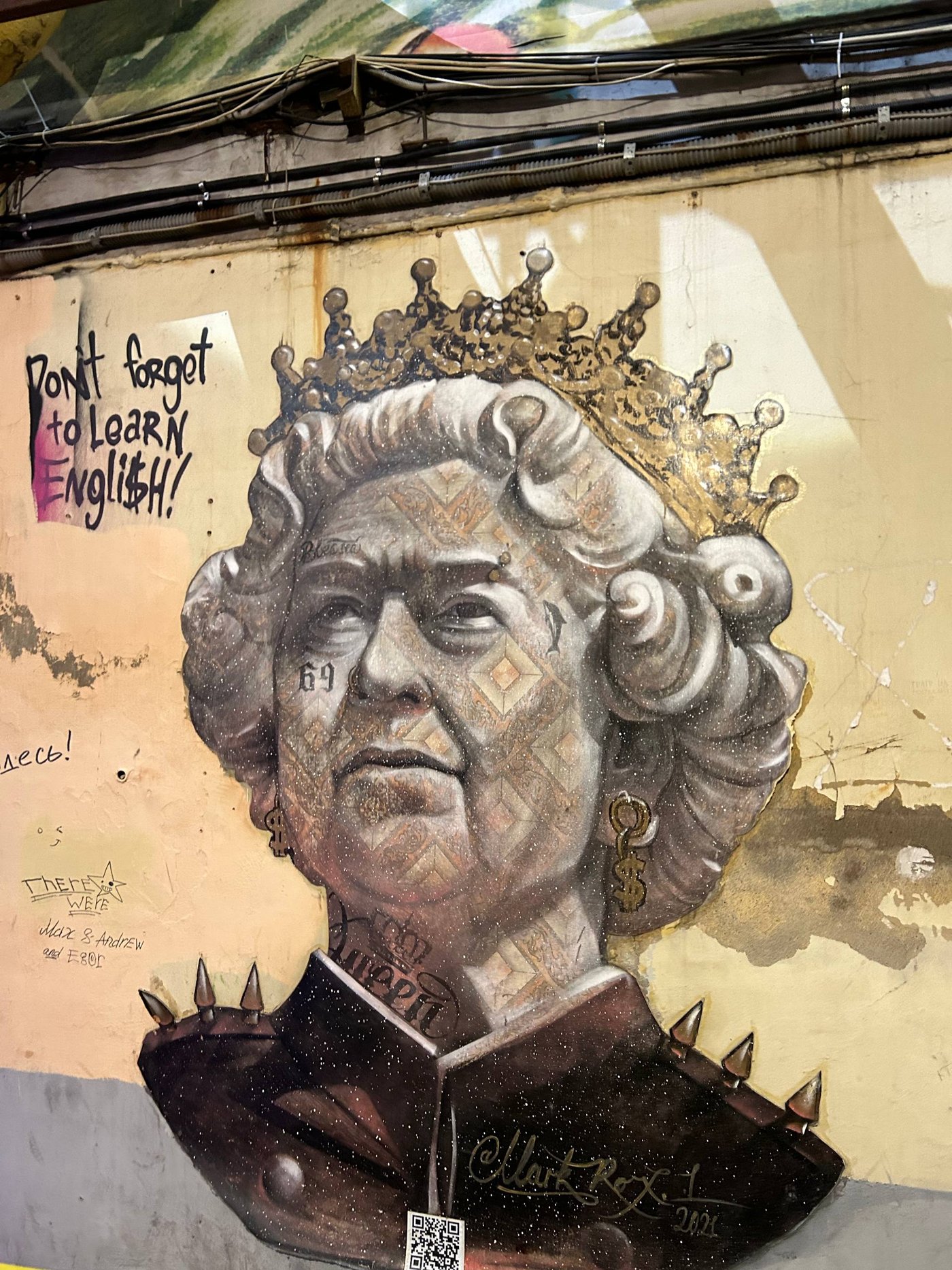
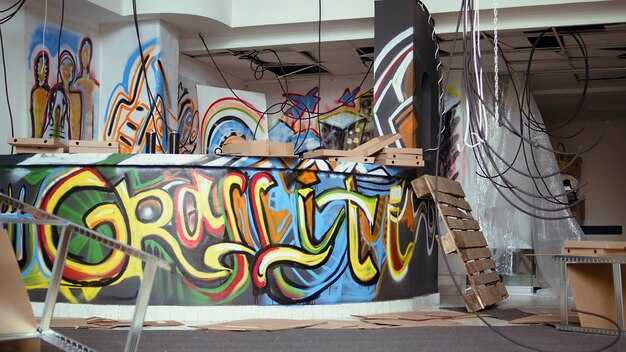
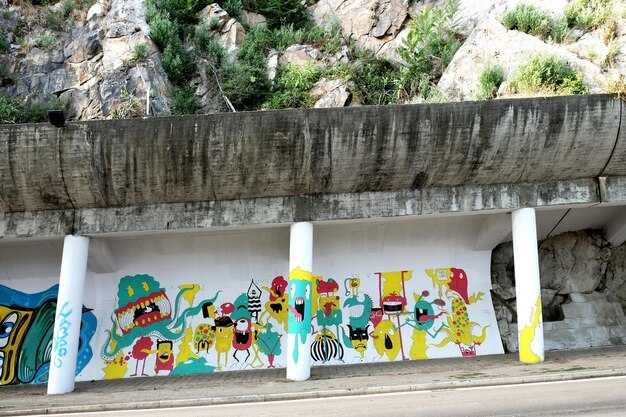
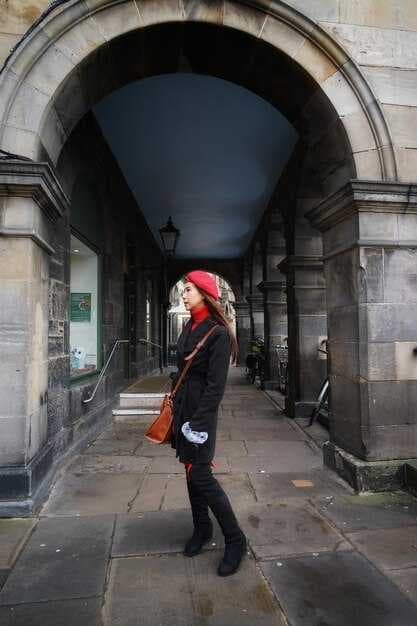
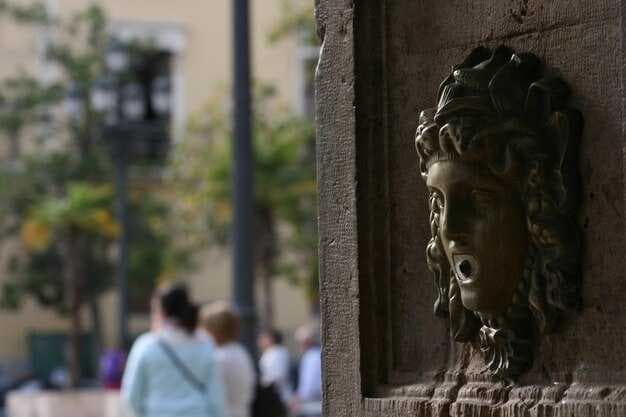
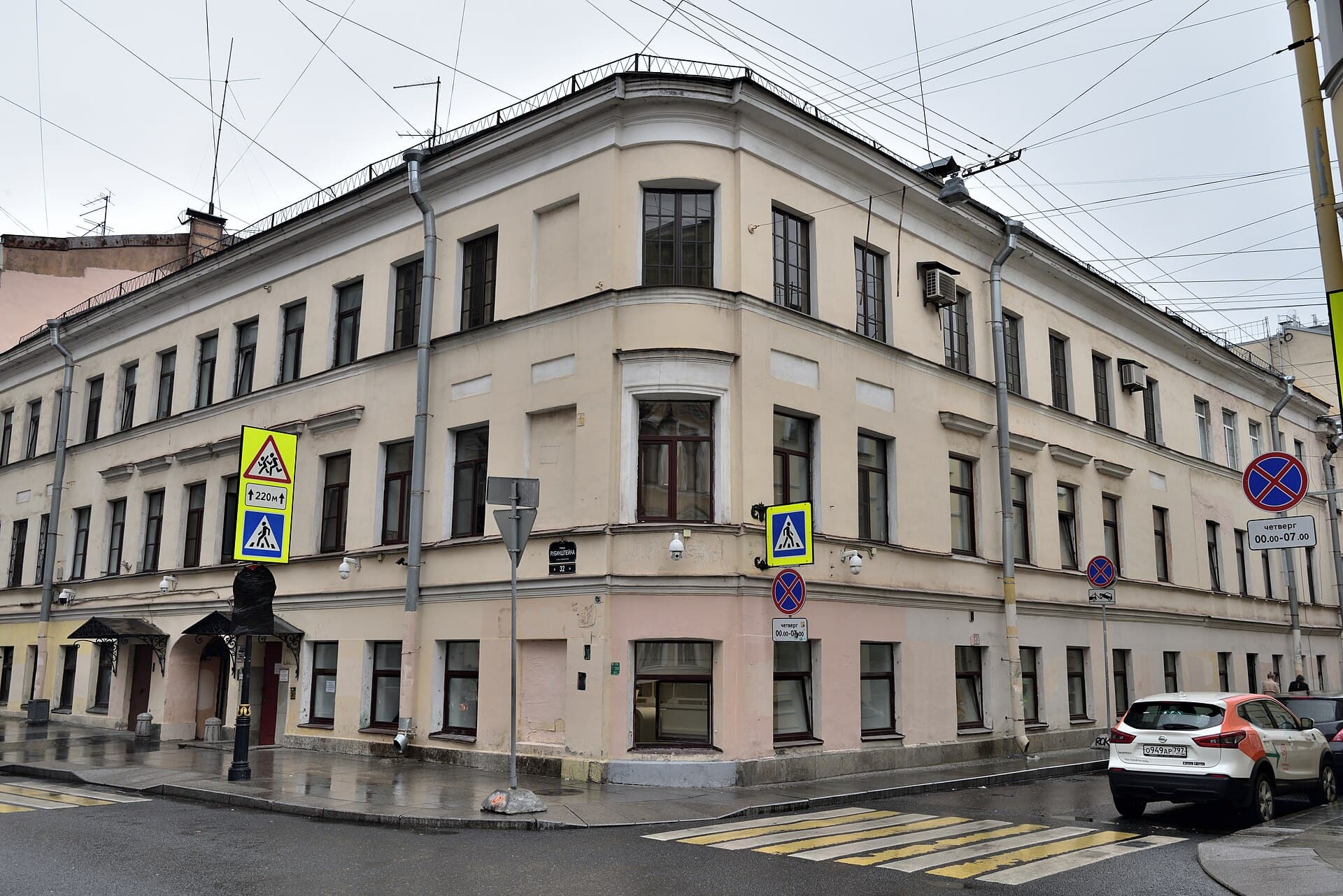
Begin in the courtyards at dusk to see pieces in their natural setting.This approach gives something more than a surface glance and helps you judge the quality without crowds. The first impression reveals the state of the scene: grand ideas etched on rough brick, and storefronts that reflect a living city rather than a gallery.
Across districts, craftart travels between lighting and shadow, being tucked away in alleys. Pieces came during late nights and last seasons, when the city slept and the walls woke. The year after year rhythm shows how artists respond to place and audience, with many yielding nods from locals who recognize the craftart.
Not every wall shines; some spots became an eyesore until a renewal crew steps in to rework them. In a short span, a faded panel can morph into a grand scene that will draw the gaze of passersby, inviting them to linger, study lines, and trace stories that spread throughout the block.
Look for routes that weave through courtyards, stairwells, and the backs of storefronts; these paths reveal a whole spectrum of tones and the state of walls. A well-timed visit after rain reveals glazes and reflections that bring a mural to life, and you may notice that a single piece tied to a larger sequence shows how being in the city could collaborate across years and crews.
Some works took weeks to finish, others spanned a year, and a few died when the wall was repainted or a building changed hands. Yet the great pieces endure, because they engage eyes and minds with a sense of place that feels both grand and rooted in local memory.
Choose times when daylight lulls and street noise quiets, then wander along avenues and into quiet courtyards; you will notice how the city speaks through color, texture, and the energy that runs throughout the block.
To map a personal route, start near central arcs, move to the river embankment, and loop back through residential blocks where works unfold the narrative of now. The whole circuit lasts several hours and offers a daily rhythm that is not something to rush.
Practical overview of styles, spots, and how the scene has evolved in St. Petersburg
Start with a focused walk through the industrial courtyards behind pushkins and along the citys edge; take a trolley to the Vasilyevsky side and plan a saturday afternoon. Youre after an experience that would reveal how pieces cover long walls and tight tags appear in drizzle; times change until new walls surface. Where to begin? colosseum area, then courtyards behind boutiques, moving toward the galleries along the canal.
Style palette includes tagging, throw-ups, and wildstyle lettering, alongside mural pieces that mix photorealism, geometry, and abstraction. Some creators favor stencils, paste-ups, and wheatpaste posters that endure drizzle; you can see street-level looks without calling the attention of authorities. The contrast between rough industrial textures and crisp lines makes each piece feel deliberate, with hoxxoh appearing in opposite corners of several courtyards. according to locals, the vibe shifts with times of day.
Where to focus includes Petrogradskaya and Sennoy courtyards, the industrial pockets behind pushkins and near the colosseum building, plus long walls along the streets that overlook roaring traffic. The best vantage points are the outskirts of boutiques districts and the back entrances of galleries, where works stand throughout the day and covers for passers-by to photograph. Night and morning sessions offer a different palette, with softer light making colors pop against brick and iron.
Evolution toward openness began when legal walls and collective arts spaces opened in the 2010s, enabling longer, more complex works to emerge throughout the city. A rising cadre of names, including pushkins-adjacent artists and arts collectives, now cross international borders, while the local economy supports roaming tours on weekends; until recently, most shows happened in private spaces, but now many experiences are public and accessible. fact: many walls get repainted yearly, which keeps the scene dynamic and ready for the next wave of artists.
Tips: respect permissions and posted signs, avoid blocking entrances, and photograph with sensitivity to residents. Travel light: a small backpack, a compact camera, and spare batteries help you cover citys real estate. You can plan routes that start near the colosseum and run through courtyards, galleries, and arts venues, usually on a saturday when galleries stay open late and roving groups share notes. a trolley runs along major avenues, making it easy to hop between clusters without hailing taxis.
In summary, the urban expression blends rugged textures with contemporary visuals, visible throughout courtyards, boutiques, and colosseum walls that stand up to the drizzle. The experience would be richer if you push yourself to talk with locals who remember the early days and now watch the scene evolve in real time, standing along the streets as new works appear and others fade away.
Where to see iconic murals by decade (1990s–present) in St. Petersburg
Begin in the pushkins quarter, where a cluster of late-1990s pieces remains visible and mostly intact; only a few walls have been renovated, the streets around the canal offer hypnotic, giant forms that still draw explorers and photographers alike.
The 1990s: early experiments spread along the city’s riverfront and the aging factory belt. Many works are gone, but a handful survive as living reminders of the era; these pieces reward search and patient exploring.
The 2000s: a shift toward collaborative crews and more deliberate color schemes. Key pockets appear near Nevsky Prospekt and the old industrial zones, with walls that became display spaces inside boutiques and friendly studios; only some walls remained accessible to the public, while working groups produced scenes with intricate linework and a sense of motion.
The 2010s: scale and sophistication rise; look for large-format pieces on Vasilyevsky Island and in central districts. Intricate motifs blend architectural textures with modern graphics; many works are commissioned by developers and sit alongside displays of visuals, accessible to pedestrians and drivers alike.
2020s to now: a burgeoning wave of fresh pieces appears across newer districts and along embankments where sands meet water. Many murals travel indoors for winter showings or as part of seasonal exhibits inside studios and galleries; most are outdoors, yet a handful find space inside boutiques for occasional display.
Where to search and how to plan: use maps, local collectives and social posts to locate current iterations; the routes often change, so choose a loop that mixes riverside walls, alleys and the outskirts. Explaining this approach aloud–exploring with a small group–helps, because the routes are best discovered together.
In Petersburg, the map keeps growing; winter visits reveal different textures, and the conversation around these walls remains great, amazing, and ongoing.
Tip: a local driver can take you to tucked corners where the hawks circle above brick facades and the gods of color watch from high ledges; such routes offer hypnotic, giant works and going farther into the city’s visual landscape, with discoveries that are truly amazing.
at the Bank of Russia rate on 23.10.2026 · powered by tutkakdoma
How to photograph street art: lighting, composition, and etiquette
Start with a concrete plan: although spontaneity fuels urban shooting, scout a quiet saturday along a prospekt where historic walls host distinct works. Being mindful of foreground and background, choose a line that isolates the piece from clutter, and plan how the moment will be created in a single frame, being mindful of timing, and noting what is done to stage a shot.
Lighting decisions: opt for early morning or late afternoon when shadows lengthen and textures pop; on overcast days, avoid harsh glare while keeping color fidelity. If glare appears, switch to a polarizer and adjust your angle around 45 degrees to the wall for a hypnotic result, like a painter catching a moment; near marine zones, include palm silhouettes to echo the water’s mood, and use natural light to emphasize surface irregularities. Shoot with the wall as the backdrop and the sky as a frame to enrich the composition.
Composition basics: place the central element on the upper third to keep space for contextual cues; around the piece, add small urban details such as a female passerby, a bike, or poster covers to convey scale without cluttering. Look for lines that lead the eye, and shoot from multiple angles–looking from below or behind a glass storefront–to reveal different textures, ensuring the themes within the work stay legible even when cropped tight.
Etiquette: if the space is inside a business or private courtyard, ask permission; never block doorways or crosswalks; respect locals and the creator, credit when sharing, and avoid touching the surface. On saturday, when crowds gather, move with the flow and keep gear compact; if permission is granted, note any restriction on reflection or flash use. In Petersburg, many spaces are protected by law, so comply with posted rules and consider the hours when access is allowed.
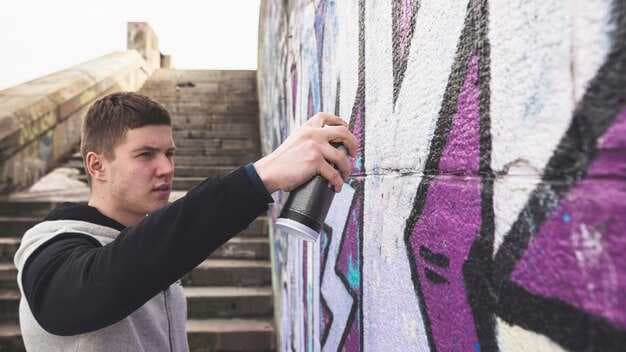
Techniques and aftercare: shoot RAW, bracket exposure, and review every frame on the back of your camera to decide when to push contrast or warmth. Keep some shots that show the artist at work or tools such as caps and cans, and look for something that captures scale with a nearby subject–perhaps a female presence or a palm frond in the foreground. After editing, preserve the original vibe; for color-heavy themes, a slight vibrance boost helps, while monochrome emphasizes lines and texture. If you are near a beach or at a cool coastal spot, include that mood to ground the piece in place. Inside a sheltered zone, you can control light and create a hypnotic palette; soon you’ll see a great range of tones that suits every portfolio and future publication.
Legal basics for graffiti: permits, zones, and working with property owners
Get written permission from the owner before any painting begins. Contact them with a brief outline: location, size, dates, and a clean-up plan. Follow the local permit process by submitting a formal request to the city or district authority; allow 2–6 weeks for review. When a wall sits within a designated zone, mural corridor, or other officially approved area, use that pathway to reduce risk of penalties and hassle.
Prepare a concise concept package: a distinct approach, reference images, color palette, materials, and safety measures. The plan should show how the painting would be transformed by natural light and how the colors would hold on large days. Include sketches or digital mockups of the abstract elements and statements you want to communicate. This would help the owner, nearby boutiques, and a nearby restaurant understand the value.
Documentation matters: obtain a written consent letter with the wall address, boundaries, and estimated time frame. Add a clause on cleanup, repainting if required, and who bears liability for any damages during the project. Before any brush touches the surface, photograph the site to record its current condition and attach notes about pre-existing cracks or water damage. A simple contract form can help prevent later change or misinterpretation.
Coordinate with property owners on scheduling that respects business hours; keep entrances clear and avoid blocking the flow of customers to donnellys, boutiques, or a restaurant across the block. If a commercial area has a trolley line, ensure your setup does not obstruct crossings or signage. Sharing the plan with nearby tenants builds trust and reduces disputes.
Insurance and safety: carry general liability coverage for the duration of the work and include a waiver for accidental property damage; have a fall protection plan if scaffolding is used. Use protective gear and non-toxic materials; clean up thoroughly each day. A solid risk assessment helps everyone follow the rules and keeps the project moving very efficiently. In many districts, the rules are known to staff and can speed approvals.
Permits are not the only route; some walls are private and allow permission without a formal permit if owner involvement is clear. In districts with strict rules, a modest fee or a temporary license may be required. If permission is granted, maintain ongoing communication with the owner and announce a visible change to the wall that can be documented for accountability. The support from the community can be strong: many neighbors enjoy seeing new, stunning, and playful pieces appear near flowers and storefronts. Explain the concept in simple terms so passers-by see something meaningful and approachable.
2-day self-guided street art itinerary through Petrogradsky, Vasiliyevsky Island, and the city center
Start by mapping a loop around Petrogradsky’s northern quay; open studios line the yards, and the display shifts from panel to panel around every corner. youre encouraged to move together with the rhythm of the artists as you explore, around Trinity Bridge toward Vasiliyevsky Island and the city center beyond.
Day 1 – Petrogradsky and Vasiliyevsky Island. 09:00–12:00: begin at the brick waterfront where a hoxxoh piece anchors a bustling facade. that wall is famous for its crisp geometry and vivid color. nearby studios keep doors open, offering a quick chat with the hand that paints; one female-led project began last season and provides an intimate look at the process. The district blends industrial textures and residential blocks, and the history began as a burgeoning movement that grew around local crews and a handful of galleries. mostly the works here cover large surfaces and invite photos from every angle, with cool color combos that catch the light.
Day 1 – Vasilyevsky Island continuation. 13:00–16:00: cross Trinity Bridge and explore courtyards and warehouses along the water where murals by michel and dasic turn rough brick into bold color. megaphone motifs appear in several pieces, amplifying social messages as you stroll; the open doors of nearby studios let you peek at tests and sketches. This stretch shows change across the scene, with coatings that endure the winds and rain while feeling intimate at dusk, throughout the year.
Evening in the city center. 16:00–19:00: walk along Nevsky Prospekt toward the Griboedov Canal, dipping into back streets where recent pieces are tucked between cafés, galleries, and a small museum-style courtyard that hosts a rotating display. compare styles that began as quick tags and evolved into elaborate compositions. around famous walls, you can snap photos and follow an open-air display that could inspire your own explorations around the city core. another corner reveals a cooler piece that adds a new layer to the vibe you started with.
Day 2 – downtown route. 10:00–14:00: continue the downtown loop toward Kazan Cathedral and along the canal, where new pieces appear in the folds between buildings and bridges. the route threads through several districts around the central core, and there, a collection of small studios offers prints or a chat with the artists; you could arrange a private walkthrough soon by contacting one of them. around noon, the route moves toward Prospekt, giving you a sense of what the city looks like beyond the iconic monuments. the styles vary, and you’ll notice the shift toward tighter lines, luminous color, and abstractions that reflect a changing urban culture.
Starter kit for aspiring graffiti artists: supplies, safety gear, and legal walls to practice
Choose a rolling trolley and load a full starter kit: five primary colors plus black and white, assorted caps for line weight, markers, and covers to protect floors and clothing.
Supplies
Spray cans: 6–8 cans in core colors; at least six total, plus two neutral tones for shading; keep a clean, labeled container to avoid mistargeting.
Caps: include fat, skinny, and texture types; plan transitions for five styles; store in a dedicated drawer for quick access.
Markers and paint markers: 2–3 units for fine lines and labels; keep them in a pouch.
Protective gear: NIOSH-rated respirator with P100 filters, safety glasses, nitrile gloves, long sleeves; use covers to shield clothes and nearby surfaces.
Tools: masking tape, ruler, stencil sheets, a sketchbook, and a window-sized planning sheet for rough layout.
Transport: trolley or rolling bag to move gear to a site; carry a spare can of spray in case of need.
Safety and etiquette
Wait 60–90 seconds between coats; test on a non-visible surface first; check wind direction and crowd flow; stay mindful of peace in public areas; avoid blocking sidewalks; always pick up all trash.
Always secure permission before proceeding; according according local rules, use official walls or private walls with consent.
Respect signage; if signs indicate closure or no trespassing, walk away.
Legal walls to practice
Official walls in historic districts, especially in coastal towns with transformed waterfronts; Clearwater Beach districts often have murals accessible through cultural programs.
Private property with written consent from owners; keep a copy of the signed agreement for reference.
Community centers and school campuses with supervised mural programs; look for opportunities through local cultural offices.
Underground networks organized by artistic collectives in your country; participate via events and showcases that follow safety standards.
Community art showcases and open-air galleries where walls are prepared for new pieces; these are great places to begin and receive feedback.
Five styles to practice
Tag and script for quick, personal marks, useful on signs and window frames; study their signatures for inspiration.
Throw-up for bold, fast coverage with two colors.
Bubble letters with smooth curves and rounded edges for readability.
Block letters with sharp edges and defined shading for depth.
Detailed piece with color transitions and highlights; use natural tones to achieve a balanced look that can be shown on a mural.
Inspiration, planning, and growth
Begin with a simple design and find references from local crews and artistic ambassadors such as a miami-based collective or individuals like michel and hoxxoh; designs began as quick sketches in a notebook and evolved through practice.
Walk around historic zones and note signs that indicate permissible spaces; find five potential walls to approach with a brief concept sketch.
Use a window or glass storefront to practice lettering and chalk outlines before committing to a larger wall; this approach keeps the process natural and low-risk.
Attend showcases in public spaces to gauge audience reception and gather feedback from fellow creators; every event contributes to the learning curve.
New Street Art Zones and Legal Walls in 2026
Saint Petersburg has expanded its designated legal graffiti areas following a 2025 municipal initiative to channel street art into sanctioned spaces. The Obvodniy Canal embankment between Ligovsky Prospekt and Moskovsky Prospekt now features twelve officially approved walls spanning approximately 400 meters, where artists can paint freely without permits. These surfaces are repainted every three to four months, creating a rotating outdoor gallery that reflects current artistic trends in the city.
The former industrial site at Krasnogo Tekstilshchika Street in the Frunzensky District opened as a dedicated street art park in late 2025. This location includes eight large concrete panels, each measuring roughly 4 by 8 meters, alongside smaller practice walls for emerging artists. Access remains unrestricted during daylight hours, though the area lacks formal lighting after sunset. The site sits approximately 6 kilometers south of the city center, reachable via bus routes 49 and 50 from Technological Institute metro station.
Several artists' collectives have established semi-permanent installations in the Sevkabel Port area on Vasilyevsky Island. While not officially designated as legal walls, these works receive tacit approval from property management and have remained untouched since their creation in 2024-2025. The waterfront location provides views across the Gulf of Finland alongside large-scale murals that blend industrial themes with contemporary social commentary.
Visitors seeking current information on legal painting locations can consult the Street Art Museum's online map, which municipal authorities update quarterly. The museum also coordinates monthly guided tours that include these newer zones alongside established sites. Tour schedules and meeting points appear on Street Art Museum official channels, though advance booking is recommended during summer months when demand peaks.