Tourists buy a dark old icon at a St Petersburg flea market for the price of a dinner, then lose it at the airport. Others buy someone's war medal as a souvenir and are genuinely surprised that customs treats it as a cultural object. Both problems have the same cause: Russian law on exporting cultural property is stricter than visitors expect.
Udelka: the market and the ground rows
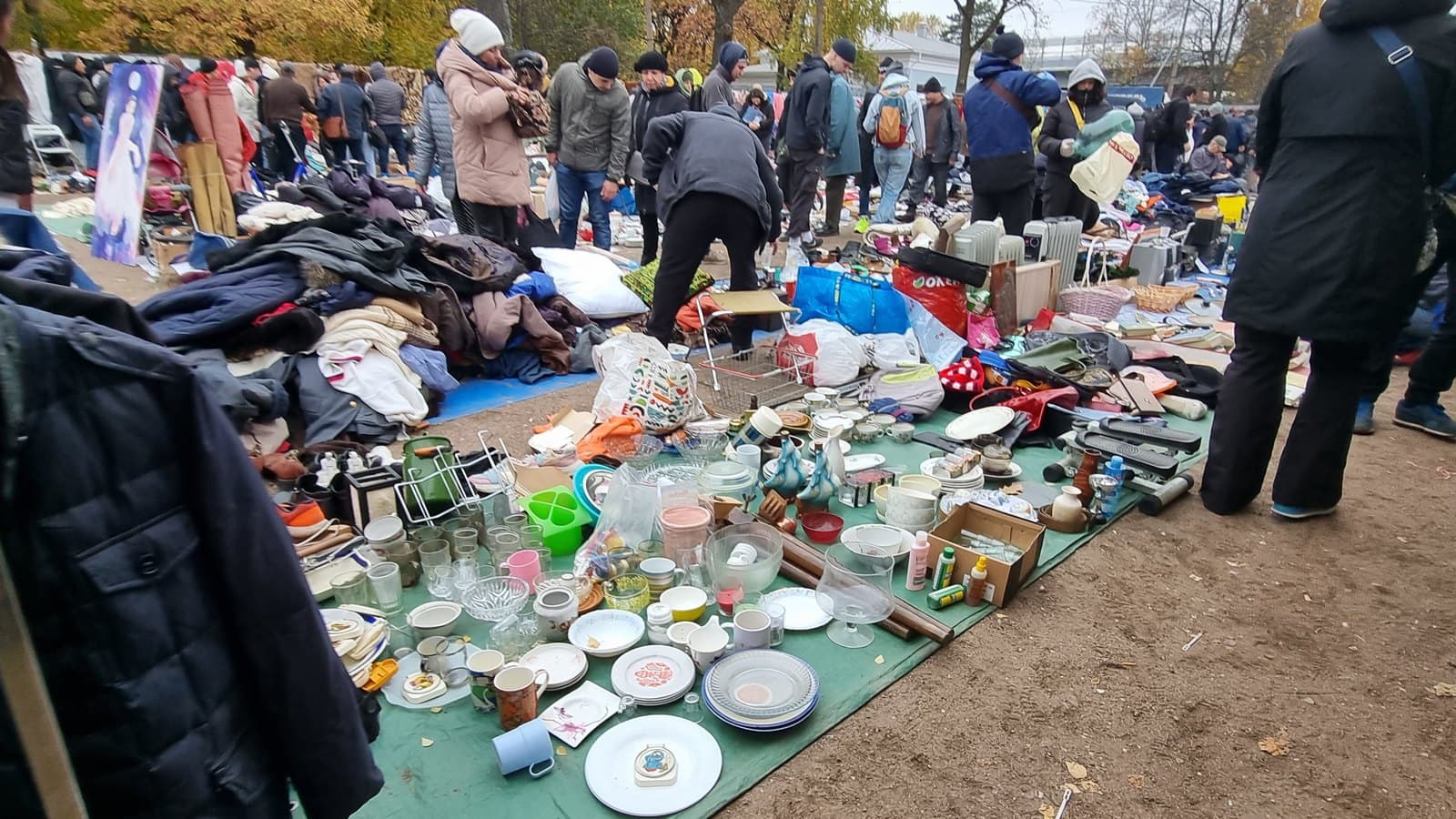
The city's main flea market sits next to Udelnaya metro station, beside the Udelny Market on Fermskoye Shosse, 41. Two different things share the place: the market itself, with pavilions and stalls, and the flea part, where sellers spread goods on a tarpaulin on the ground. The flea rows are what collectors come for.
Be warned: the flea section has no website and no officially published schedule. Nobody announces when sellers arrive or which days are empty. The practical approach is a weekend morning, as early as you can manage. Dealers arrive first, and by midday the good things are gone. Rain and frost thin the rows out sharply.
What people hunt for
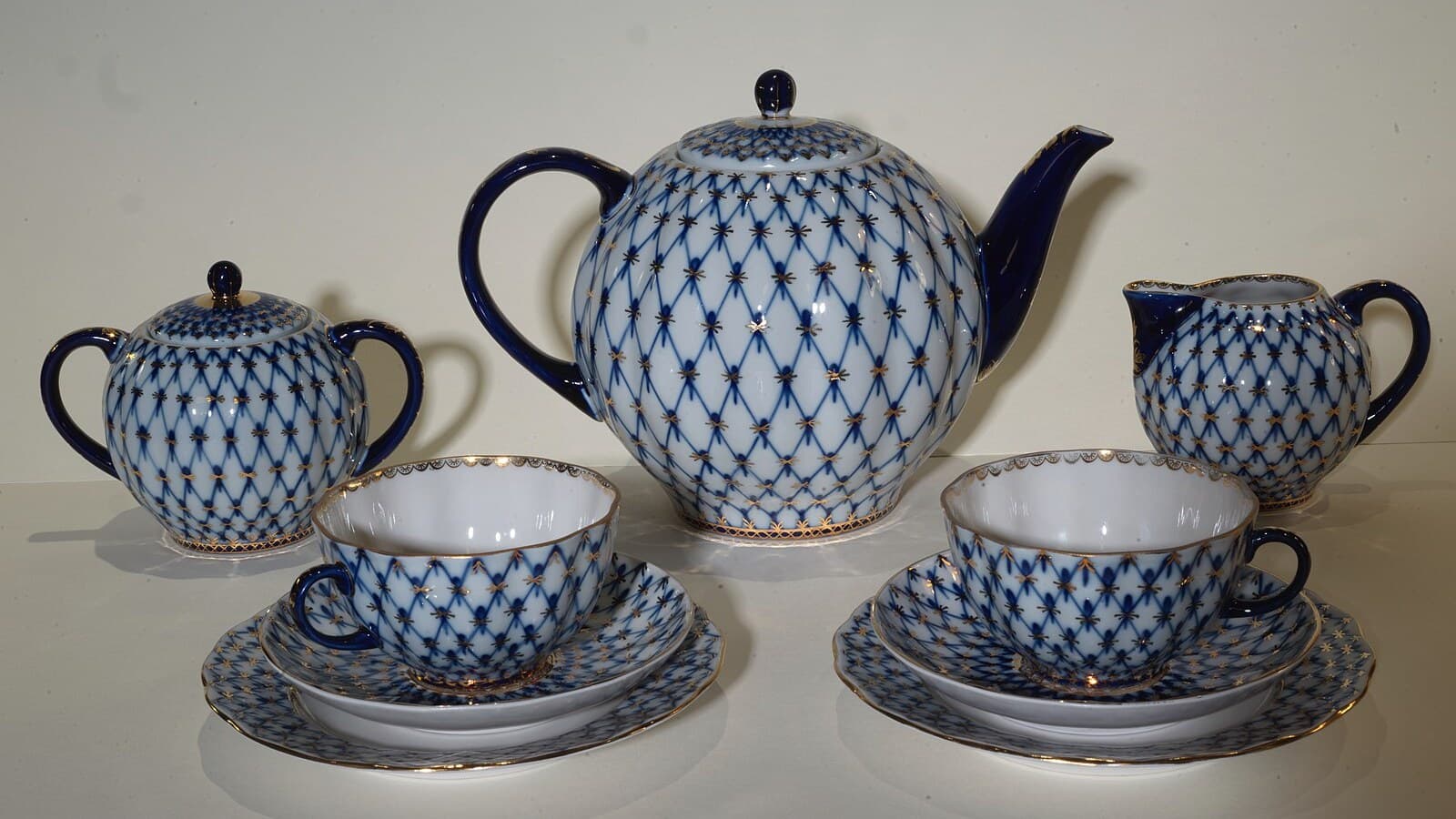
Mostly Soviet domestic life pulled out of attics and country houses: porcelain and pressed glass, tea sets, glass Christmas ornaments, brass candlesticks and samovars, vinyl records, postcards, photographs, badges, lace and embroidered linen, vintage coats and dresses, plus door handles and fittings bought by people restoring old flats. Books and records are better hunted at Krupa, the former Krupskaya cultural centre, which hosts what it calls the city's largest book fair.
Bargaining
Walk the whole row before buying: identical objects can differ in price two or three times. Do not show excitement. Offer around two thirds of the asking price, bundle several items into one deal, and bring small banknotes, since sellers rarely have change. Check every item for chips, cracks and glue on the spot — nobody accepts returns.
What you cannot take out of Russia
Under article 9 of Russian law No. 4804-1 of 15 April 1993, cultural property created more than 100 years ago may not be exported from Russia, save for exceptions in the law itself. This is a ban, not a permit procedure. Article 35.1 also bars permanent export of archaeological objects and items included in the state Museum, Archive or Library funds, even privately owned ones.
Medals are the classic trap. Article 35.2 allows the export of personal decorations, including state ones, by the person who was awarded them, on presentation of the award certificate. A medal bought from a stranger does not qualify. For categories that do require a permit, the Ministry of Culture issues a separate document for each shipment, and the state fee under article 333.33 of the Tax Code is 5 per cent of the value of the goods, capped at one million roubles.
Penalties are real: article 16.3 of the Administrative Code means a fine of 1,000–2,500 roubles for individuals plus confiscation of the object, and article 226.1 of the Criminal Code covers cultural property in a "large amount" — defined as a value above 100,000 roubles — with fines from 300,000 to a million roubles or up to five years. Ask one question before paying: how old is this, and what happens to it at the border?
Photo: A.Morgunovskaya / Wikimedia Commons, CC BY-SA 4.0