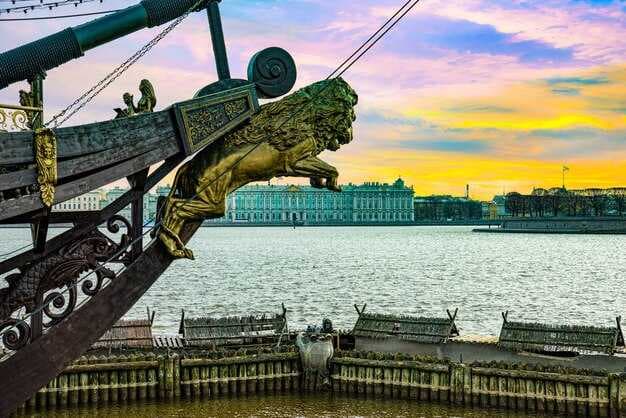

Plan a compact full-day circuit that threads five time-honored sites along the Baltic coast and inland estates. These selections offer a single period in Russian history and are substantial enough to fit into one day without skimping on depth.
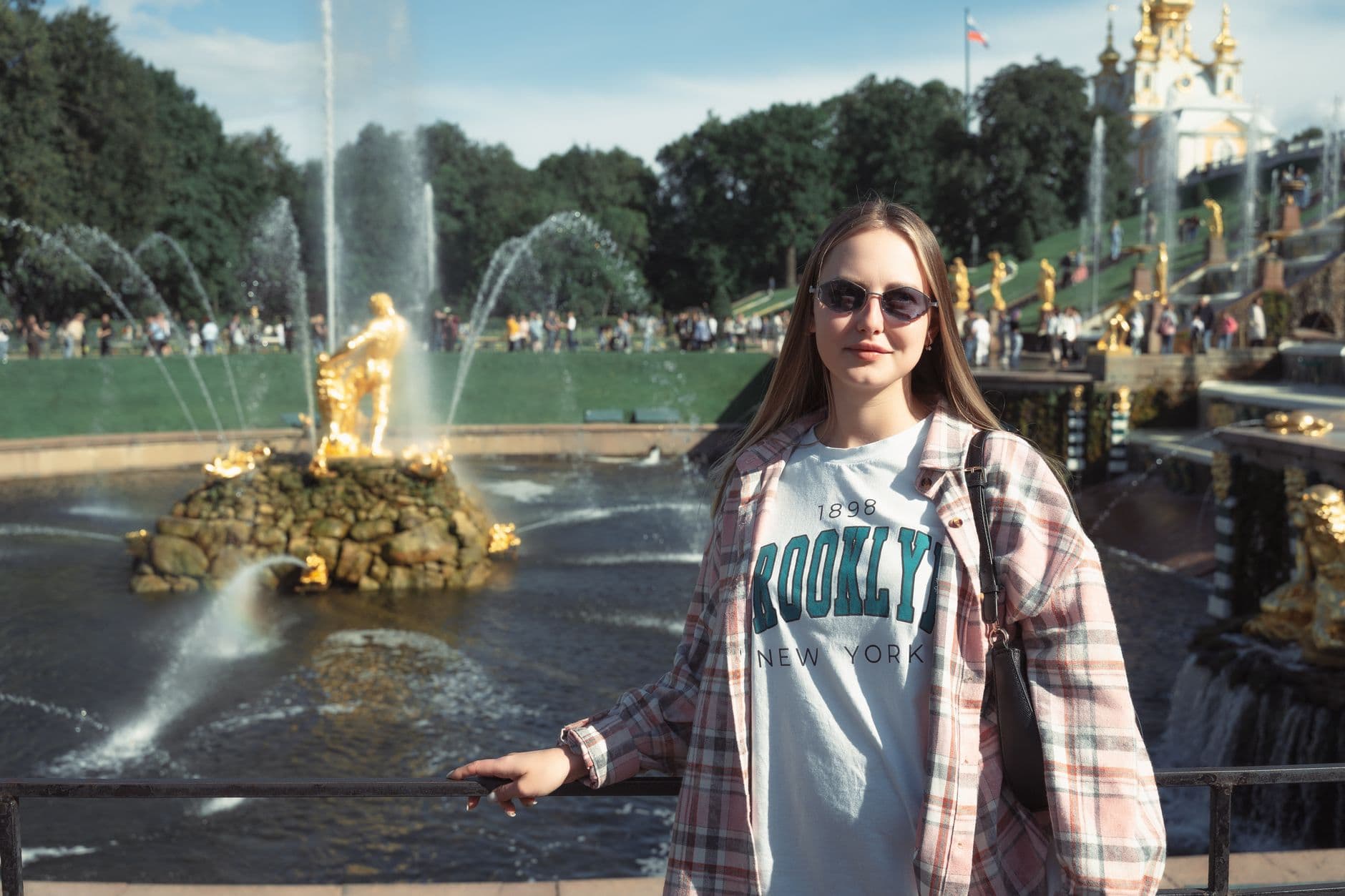
First stop: Peterhof, a cluster of palaces and gardens facing the Gulf of Finland. The gift here is the famed fountains–the main cascade and dozens of side pours–turned into one of the most photographed ensembles of the empire. The entire complex is well-preserved, a testament to the craftsmanship of the era.
Second, Catherine Palace in Tsarskoye Selo yields rococo interiors that shimmer with gilded stucco and mirrors. The park features numerous fountains and a ground plan that demonstrates the evolution of styles from early rococo to late baroque. The restoration of the 20th century helped preserve the entire decor.
Next, the Peter and Paul Fortress–an old castle that anchors the city’s core and embodies the empire’s eastern ambitions. The Peter and Paul Cathedral houses Paul I’s tomb, linking the site to the order and main axes of the dynasty.
Then Kronstadt Fortress, a major Baltic naval stronghold whose batteries and ramps tell the wwii story along the gulf’s western edge. The fort’s layout reveals how this site defended maritime routes and shaped the region’s defense during the wwii period.
Finally, Vyborg Castle rises above the bay: one of the oldest fortifications in the region. Its massive stone walls, Eastern-inspired towers, and well-preserved inner yards reflect a long period of conflict and cultural exchange, with these stones turning into a gift for travelers across time.
Five historic sites around St Petersburg, including Peterhof Palace and Fountains
Start with Peterhof’s monplaisir and fountains. A well-preserved ensemble sits along an eastern axis; rastrellis elements in railings and trellises accent the grounds, while rastrelli-inspired staircases lead into a beloved complex where fountains burst into spray throughout the day. This would reward slow visiting; restoration work continues on several buildings, but the lovely parks remain open there. Early arrival helps you move from the cascades into the monplaisir terraces without crowds.
Catherine Palace at Tsarskoye Selo showcases rastrelli, Baroque craft at its best; gilded interiors and ornate corridors invite you into spaces that still feel ceremonial. The area around the palace forms a beloved park ensemble with wide avenues and fountains nearby; restoration work is ongoing, and some halls are open only at certain times. Visiting here gives a sense of imperial life and musical atmosphere that lingers long after you’ve left.
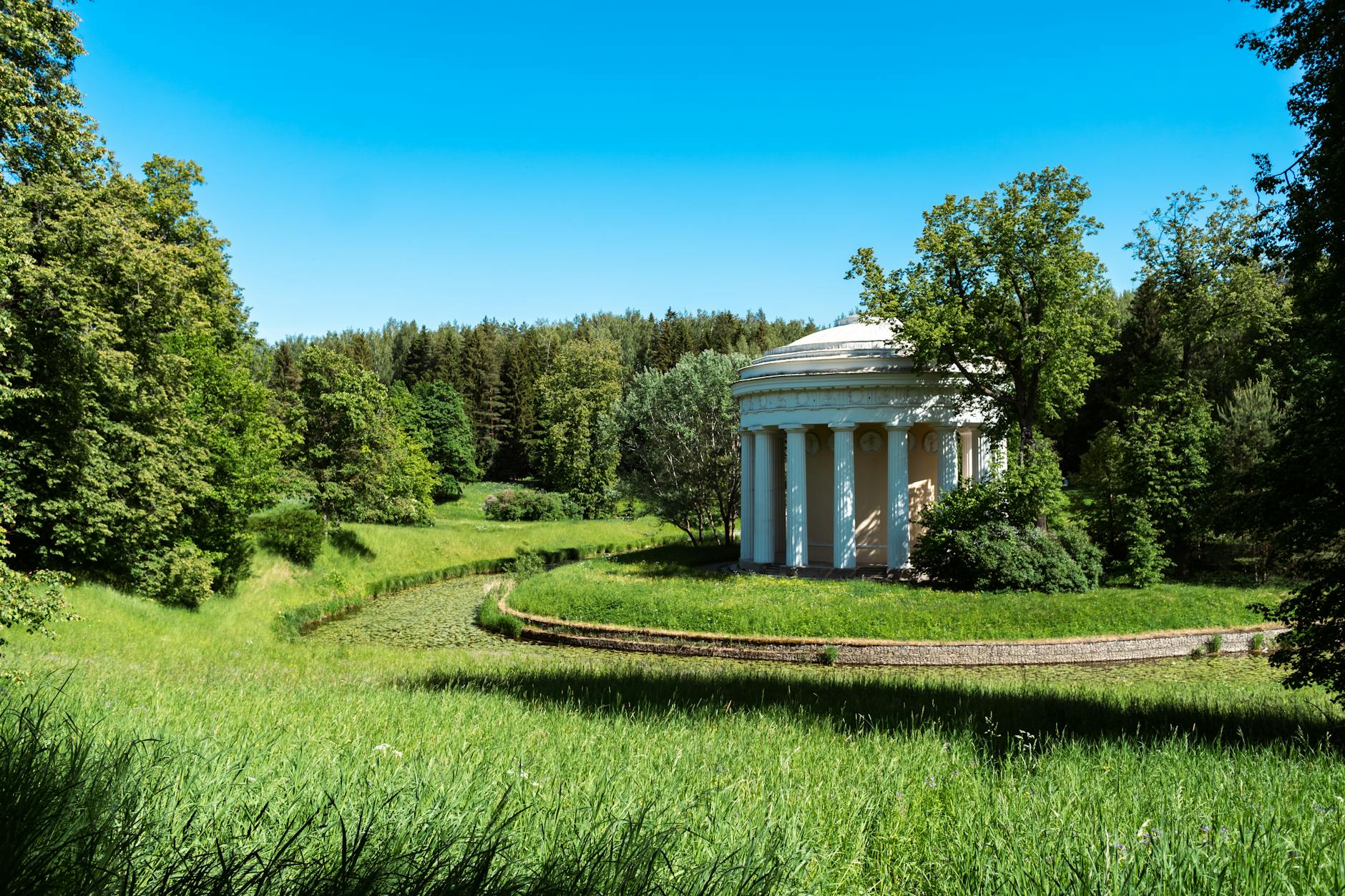
Pavlovsk Palace sits within generous parks laid out in an English manner; built for paul I's family, it offers intimate rooms and long sightlines. The garden walks have a peaceful, lovely tone, and the courtyard is used for small concerts, a musical memory of former times. The estate would build a clear contrast to the splendor of Peterhof; restoration keeps some interiors closed, while grounds are open for visited walks.
Gatchina Palace lies to the east of the core area, set in extensive grounds. Its unusual plan and the rustic, woodsy surroundings give a different feel from the city’s palaces; the peters era’s history is evident in the rooms and in the formal gardens. Visiting shows how the revolution era shaped the interior designs, and restoration works keep the main halls accessible for guests at scheduled times.
Oranienbaum (Lomonosov) Estate offers a lovely, less crowded option with long lines of trees and a coherent park layout. The area preserves rastrellis motifs in fences and balconies, and the grounds laid out early on still read as a continuous estate. There, visitors can stroll along the outer paths and rest at benches, with fountains and ponds reflecting the sky as times pass soon.
Peterhof Palace and Fountains – Best time to visit, tickets, and fountain highlights
Plan a late May to early June window to witness the fountains in full operation and to enjoy daylight stretching into the evening.
The best window for exploring the grounds and exterior cascades spans late spring to early autumn; weekdays are quieter, while weekends draw more tourists. A single day can cover the Grand Cascade, the Samson fountain, and the Vauxhall pavilion, with ample time for the sadovaya gardens and the bridges spanning the canal network.
Ticket options are best arranged online to secure a time slot. A standalone Gardens and Fountains pass grants access to the Lower Gardens and all water displays; a Grand Palace interior pass covers the interior salons and halls. A combined pass includes both, plus a window opening for andre‑designed interiors that showcase the interior architecture through ornate rastrelli details. The Vauxhall pavilion and its surrounding precincts can be added as a separate add‑on, and the number of slots is limited by the official system, so planning ahead is advised.
Fountain highlights include the Grand Cascade as the centerpiece with multiple tiers of basins and sculptural groups, plus the dramatic Samson myth fountain. Rastrelli’s touch is evident in the baroque ornamentation along the terraces, and rastrellis frame several alcoves and walkways. The lower gardens feature a sequence of pavilions and pools connected by bridges, while the Vauxhall complex offers a refined, garden‑and‑water contrast that remains a major photographic opportunity. The gardens and residences span many years of careful arrangement, and the overall layout integrates nature with architectural pomp in a seamless revival after periods of neglect, a history that didnot disappear during upheavals and revolution.
A practical note: if you’re combining Pushkin‑era visits with a day at the fountains, allocate time for a full circuit of the sadovaya terraces and the major homes along the water channels. The complex acquired its current scale over years of development, and its status as a premier residence and residence‑style ensemble remains evident in every window and courtyard.
Tips to optimize the experience: start with the Grand Cascade early, then traverse the lower gardens to catch the light on the water; wear comfortable shoes for long strolls across paved and gravel paths; bring sun protection for the open areas; check the official timetable for fountain shows, as schedules can shift with weather and maintenance.
| Option | Includes | Best time to book | Notes |
|---|---|---|---|
| Gardens and Fountains Pass | Access to Lower Gardens and all fountain displays | Early morning slots or late afternoon slots during peak season | Does not include Grand Palace interior |
| Grand Palace Interior Pass | Interior salons, halls, and decorative rooms | Midday slots; plan around interior timings | Requires separate admission from grounds |
| Combined Pass (Gardens + Fountains + Interior) | Full grounds access, water displays, and interior attractions | Mid‑day to early afternoon for best light and timing | Most cost‑effective for a full day experience |
| Vauxhall Pavilion Add‑on | Access to Vauxhall complex and surrounding water features | Supplemental, fits around core passes | Limited slots; verify availability with main ticket |
Pushkin (Tsarskoye Selo) – Getting there, ticket options, and palace interiors
Take a morning regional train to Tsarskoye Selo from the capital region to reduce queues and enjoy cooler halls.
- Getting there
- From the Petersburgs rail network, take an elektrichka toward Tsarskoye Selo and alight at the town station.
- Exit to the outside, then follow ulitsa toward the main site gate; on the left are the lawns and water features that frame the palace complex.
- The walk from the gate leads through green spaces, ideal for a first impression of nature before interior tours.
- Ticket options
- General admission covers the core interiors and the park; add a guided or audio option for deeper context.
- Combo tickets with park access streamline the day; check for restoration work that may affect access to certain halls.
- Discounts apply for students, seniors, and families; plan ahead to avoid weekend crowds.
- Palace interiors
- The main spaces showcase Rococo and Baroque revival styles, with gilded galleries and salon suites.
- Key chambers attributed to bartolomeo provide the Baroque backbone, while later touches appear in public rooms.
- Alexander and Nicholas rooms recall imperial life; Maria and mothers’ suites highlight dynastic ceremonies, including weddings and receptions.
- The Paradise Hall and cathedral-like galleries offer dramatic scale, while restoration keeps textures and colors vivid.
- Restoration projects, coordinated over decades, preserve the entire palace while allowing visitors to take in the park’s water works and lawns; some elements reflect contributions attributed to rinaldi, balancing old master craft with modern upkeep.
- This site functions as a site of attractions and a cluster of destinations, inviting visitors to explore the ensembles around the main palace and its surrounding grounds.