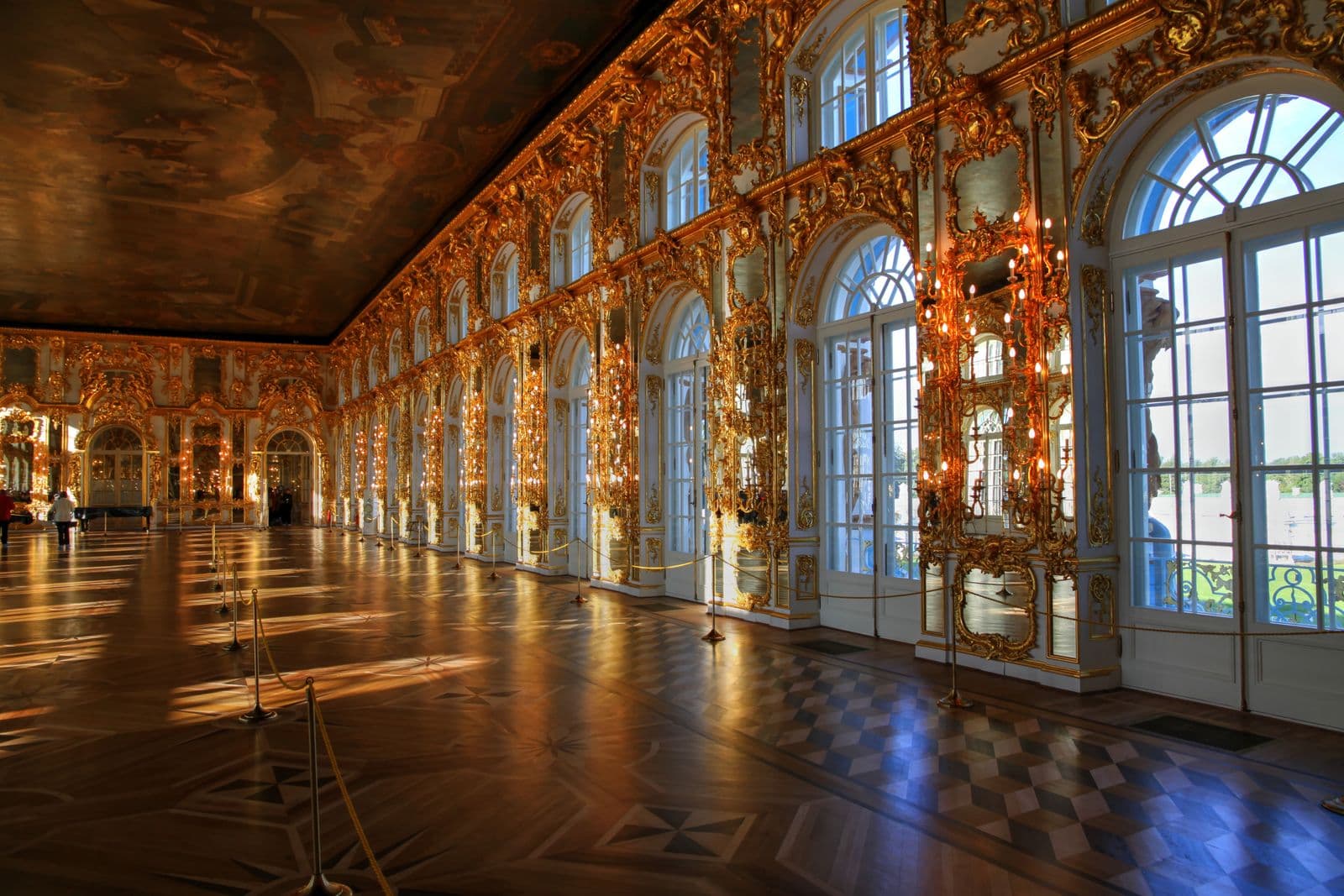
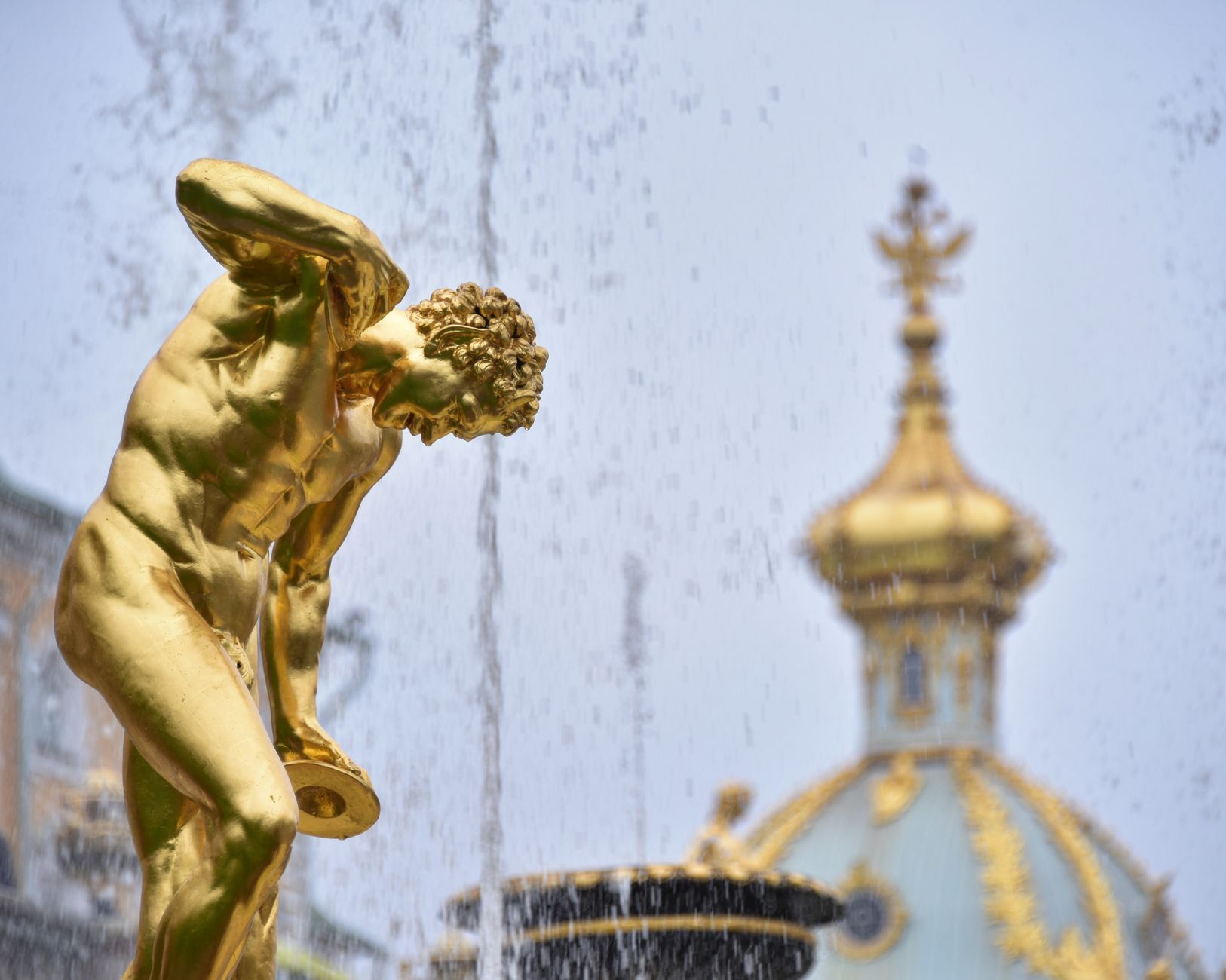
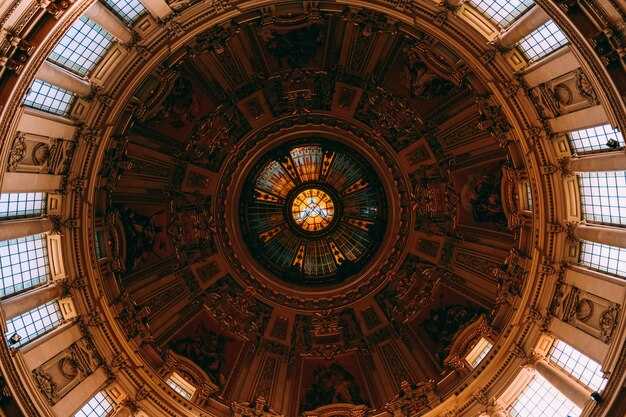
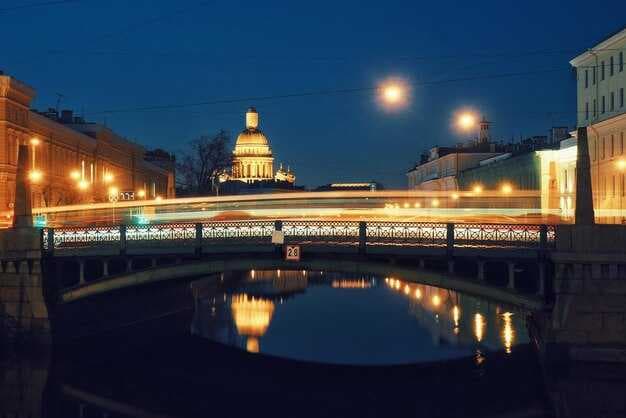
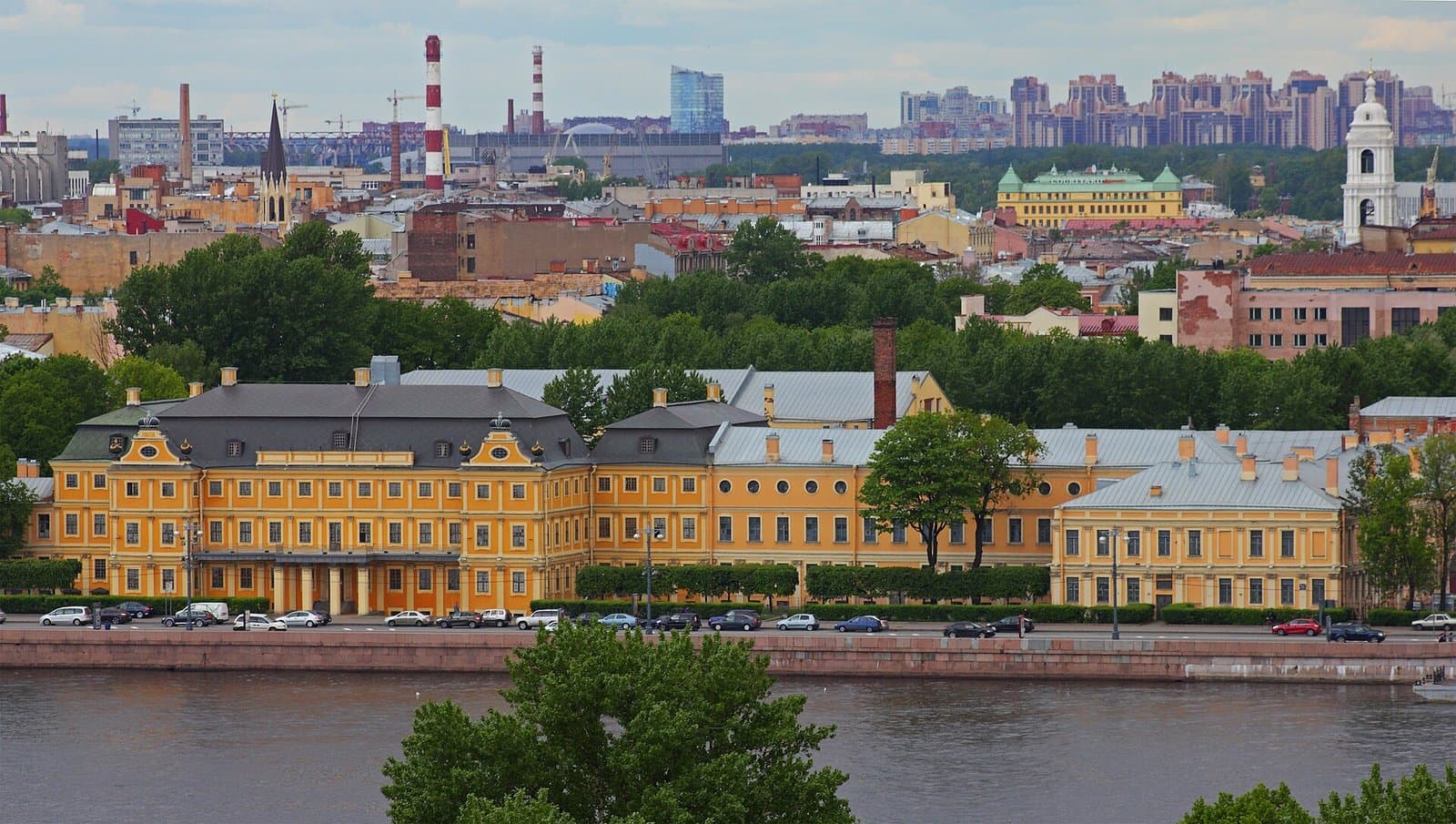
Recommendation: Start from the central axis, study the lines that frame rooms, and trace the evolution from antique details to modernist restraint. In large, majestic interiors, tap into color and brass accents that knit together towers and open spaces, revealing a complex story that is particularly vivid when spaces are combined rather than separated. The goal: capture how architecture shapes perception and how beauty emerges from measured repetition of lines – a very effective approach for interior photography.
Look for details that reveal craft: carved lines, brass hardware, and color contrasts that shift from warm antique finishes to cool contemporary surfaces. Where conservation and restore work are visible, you see how architects and craftsmen balanced history with function, creating central passageways, clean surfaces, and spaces that feel both modernist and rooted in tradition.
For photography, prioritize vantage points that emphasize crisp lines and the interplay between light and material. The most compelling frames reveal the central rhythm of a hall or stair, pairing large volumes with intimate details. Notice how brass fixtures catch the eye and how color palettes weave antique patinas with contemporary finishes, a combined effect that enhances the overall beauty.
The ten edifices span the core of the city, from grand ceremonial towers to discreet side rooms; each one demonstrates deliberate restraint, very precise geometry, and a respect for an architect's craft. Expect clean lines, central corridors, and surfaces that invite restoration of memory while hinting at future design directions.
Practical guide to exploring Art Nouveau and Modernist interiors in St. Petersburg
Start with transport to the central cluster near the embankment; ride the metro to Gostiny Dvor, then stroll along the riverfront to compare motifs and designs of Art Nouveau and Modernist forms. This route yields a compact set of venues where the past and the future sit side by side, making the built environment feel alive rather than decorative.
These periods carried ideological questions about tradition versus progress, shaping color choices, proportion, and the use of light across these structures.
Adopt a meticulous approach: observe silhouette lines, mark motifs, and track amber tones in glass and plaster across structures; these details reveal how elegance grows from functional design.
To maximize impact, plan a two‑hour block for each venue, and schedule visits during times when facilities are accessible; many offer guided tours, while some makeovers are visible only from the exterior.
Center-based comparisons help you spot transformations and the appearance of interior space; the massing and center alignment reveal the ideological tendencies of the era.
Keep a compact notebook; capture motifs, compare designs, and note how amber hues balance delicate ornament with streamlined layouts, so these observations become a practical guide you can reuse on future outings.
Site
Focus
Access
Best Time
Notes
Embankment block edge near the river
Motifs, silhouettes, amber accents
Exterior views; interior tours by request
Morning and late afternoon
Represents a shift from organic curves to geometric lines
Glass-fronted house on Nevsky Prospect
Designs, meticulous detailing
Public slots; advance check advised
Midday
Iconic massing and intricate staircases
Residential complex along the canal
Transformations, facilities upgrades
Guided visits available
Afternoons
Shows how ateliers became studios and living spaces
Create a time-efficient route to maximize interior photo opportunities
Begin at the main hall, the station hub of the complex, at 9:00 to capture clean morning light and minimize backtracking.
Walk 12 minutes to Saint Isaacs for the interiors; this celebrated Russian landmark offers a large nave with monumental columns, placed along the central axis. The isaacs restoration team has served on the detailing, and their efforts highlight the korolevapainting cycle on the wall, creating more frame opportunities.
Turn to the emperor's wing next. This century‑old suite is the hallmark of grandeur; the intricate ornament, gilded cornices, and the play of light demand careful framing. Shoot both tight detail frames and wider corridor shots for the true identity of the space.
Proceed to a large gallery in a separate wing where the Russia's industry aesthetic is reflected in the woodwork and ceilings. The interiors here reward disciplined light control, so switch between long and wide lenses to capture breadth and texture.
From there, move to a second facilities area with sleek lines and strong geometry. This transition yields many opportunities to cover the interior from different angles; place shots along the main axis to emphasize symmetry and the decorative columns.
Cross to a peter-era hall that emphasizes balance and scale; position the camera at mid-aisle height to catch the vaulting and the imperial crest. This turn in the route highlights several classic motifs, including the peter influence on design.
Conclude with a dusk pass through a grand salon that reveals the interiors' vast character and the building's pride. However, plan access carefully, respect staff guidance, and keep your desire for efficiency focused, so you finish the loop without missing the best light.
at the Bank of Russia rate on 24.10.2026 · powered by tutkakdoma
Identify Art Nouveau interior motifs: curves, floral details, organic lines
Begin by listing three indicators: curves, floral details, organic lines; in Fontanka-area apartments these elements surface as arching door frames, flowered friezes, and trailing vines.
Curves govern the silhouette of moldings, stair rails, and sconces, guiding the eye along sinuous dynamics rather than sharp edges, a hallmark of Art Nouveau architecture and its design language.
Floral details appear as petal motifs, acanthus leaves, and vine tendrils integrated into metalwork, glass, and plaster–patterns recur in architraves, lamps, and decorative screens, illustrating the era’s decor practices.
Organic lines emerge through asymmetrical layouts, curvilinear pediments, and branching motifs that echo nature, creating a unified sense of identity across space and the surrounding architecture.
Look for restrained palettes and material contrasts that emphasize form over abundance; in apartment corners and study rooms, the stylistic emergence rests on balance, allowing curves to lead the eye rather than overwhelm, as shown in notable interiors.
Examples from mariinsky-adjacent spaces show scrolls around a dome and archways; cathedral side galleries and staterooms preserve a powerfully tempered language, with Catherine and anton-inspired motifs appearing in metal, wood, and glass.
When analyzing an interior near Fontanka, compare the decor across rooms: note how organic lines bind corners, how each flower motif repeats in a deliberate rhythm, and how the identity of that era remains recognizable in restrained yet notable design choices.
Use these cues to craft captions or descriptions that connect architecture, history, and design, emphasizing the emergence of Art Nouveau motifs as living decor rather than mere ornament.
Spot Modernist design cues: minimal ornament, geometric forms, open spaces
Begin with a clean approach: minimize ornament, embrace geometric forms, and carve open spaces that invite movement.
In many rooms along the city spine, a dominant skyline influence is evident; long sightlines, rectangular niches, and rational planes define the layout.
Material strategy borrows from holland grid aesthetics, favors clean, reflected surfaces: white plaster, glass, steel, and polished concrete; mosaics appear as restrained accents rather than focal points; built elements frame the volume.
Turn architectural memory into a contemporary manifesto: a classical influenced approach, combining 20th political rigor; meticulous planning yields a broader interpretation of space and light.
A visual feature pairs a korolevapainting beside a left-hand corridor that turned into a library; a yakov painting left nearby completes the testament to quiet study, amber tones, and careful display.
For today’s studios and dwellings, follow practical guidance: prioritize clean lines, remove excess partitions, place banks of windows to capture daylight; a stove built into a wall can become a quiet focal point; use a restrained palette.
In essence, the approach converts a dense city into legible environments; the 20th-language remains relevant nowadays; the broader mood resonates near Nevsky blocks, where amber light and glass reflect a calm skyline.
Best camera angles and lighting tips for interior shots
Begin with a wide, low-angle shot that places the room’s main axis in the center. Use a 16–35mm zoom on a full-frame body, set ISO 400–800, aperture f/5.6, shutter ~1/60 s. A tripod stabilizes long exposures; if handheld, raise ISO to 800–1600 and keep shutter ~1/125 s. This setup yields a large, balanced perspective that reveals architectural details such as arches, mouldings, and the layout of these contents.
Exploit natural daylight for consistent color, then supplement a portable LED panel to control contrasts. Place a key light near a window at 45° to illuminate textures; use a fill light on the opposite side at lower intensity to soften shadows. Neutral color temperature 5200–5600K for neutral tones, or 3000K for antique atmospheres to emphasize restoration and identity. Use a bounce card to avoid flat surfaces.
Cover planes by alternating angles: low-angle from a doorway to elongate arches, high-angle from a balcony to reveal floor patterns, and a straight-on middle shot for symmetry. These three angles are the most efficient for interior storytelling. Use a tilt on the camera to correct verticals in narrow halls; a perspective-control lens preserves straight lines in corners.
Choose lenses by purpose: a wide 14–24mm for tight rooms, a standard 24–70mm for details, or a 70–200mm for compressed perspectives in long corridors. A wide lens boosts spatial perception; a longer focal length reduces distortion and highlights repeated motifs such as columns, guardrails, or a central staircase. Be mindful of vignette; step back or crop in post; when possible, shoot raw to maximize latitude.
In post, correct verticals, straighten horizons, and adjust white balance to reflect the scene’s character. Enable lens-profile corrections to remove perspective distortions, especially in narrow stairwells and fortress-style halls. Compare versions to see distinct contrasts; these adjustments help preserve the original atmosphere while revealing the center’s identity. These developments matter nowadays for accuracy and mood.
Use negative space to emphasize architecture: clear frames avoid clutter; isolate key elements such as an antique stove, a koroleva portrait, a restored cabinet, or a plant to anchor the scene. These details build a narrative around what has been created through restoration, and they remind audiences that such interiors have a long history and a remarkable character. Introduce distinct textures–carved wood, porcelain, and fabric–to add depth.
In a grand hall of a fortress-inspired station interior, shoot toward a window to capture light contrasts; these moments reveal the space’s identity and the fact that such interiors have been preserved in modern restorations, reflecting transport heritage, including city stations. Keep the camera level to preserve symmetry; when necessary, shoot from a corner to include contents such as carved furniture, a german plaster ceiling, koroleva portraits, and antique relics. These shots illustrate how more developments blend classical design with western influences nowadays and align with the center’s program.
Tips for access, tickets, and photography permissions in historic buildings
Book timed-entry passes online at least two weeks ahead for popular sites; pick a fixed arrival window, and use official portals to avoid inflated prices. Store the barcode on your phone or print it for quick scanning, and verify any language options for tours.
Ticketing and capacity: The number of visitors per hour is capped; plan a route across main parts and ornate features, such as ceilings and placed sculptures, while leaving time for transitions between spaces. Look for combined tickets that cover palaces and linked complexes within the same network, and check if social programs or guided tours are offered by the enterprise managing the site.
On-site access: Many venues in cities link several heritage sites; ensure you know the opening days and last-entry times, and prepare for occasional restoration-related closures that affect access.
Photography permissions: Policies vary by room; some spaces allow non-commercial shots without flash, others require a permit or prohibit photography entirely. In areas with display items like korolevapainting, obtain explicit approval; photography may be part of a separate process and may incur a fee.
Equipment and conduct: Tripods and large gear are often restricted; use compact equipment and keep paths clear; do not touch surfaces or lean on railings; follow staff directions carefully to protect the look and environment.
Appearance and signage: Signs placed at thresholds guide safe movement across narrow corridors; respect roped-off zones, especially in apartment-sized rooms and ornate salons; this reduces risk during restoration efforts.
Transport and accessibility: Check nearby transport options and parking; look for accessible entrances and elevators where available; plan a longer walk to reach the most ornate spaces, considering concrete stairs and ramps where present.
world context and planning: When planning across multiple sites, map a route that minimizes backtracking; this reflects growing interest in cultural complexes in many cities and aligns with international restoration policies.
Environment and care: Environmental controls can affect delicate materials; dress appropriately for humidity and temperature shifts, and use protective gear if offered; handle your own steps with care to preserve appearance for future generations.
Specific highlights and context: If a peter era apartment appears on your route, study its layout and lighting; some rooms may showcase classic transformations of space; in other areas, korolevapainting themes illustrate historic artistic programs and are linked to restoration efforts.
After-visit notes: Save contact info for permission queries; for any commercial shoot, contact the official social team or press office in advance to confirm terms and conditions.