A children's theatre appeared in St Petersburg before anywhere else in Russia: director Alexander Bryantsev opened the TYuZ in 1922, and since then it has treated children as real audiences. Today the Bryantsev Youth Theatre is a large building on Pionerskaya Square with an amphitheatre hall where teenagers sit without being made to. That is rare, and if you are travelling with a 10-to-16-year-old, it is worth a visit.
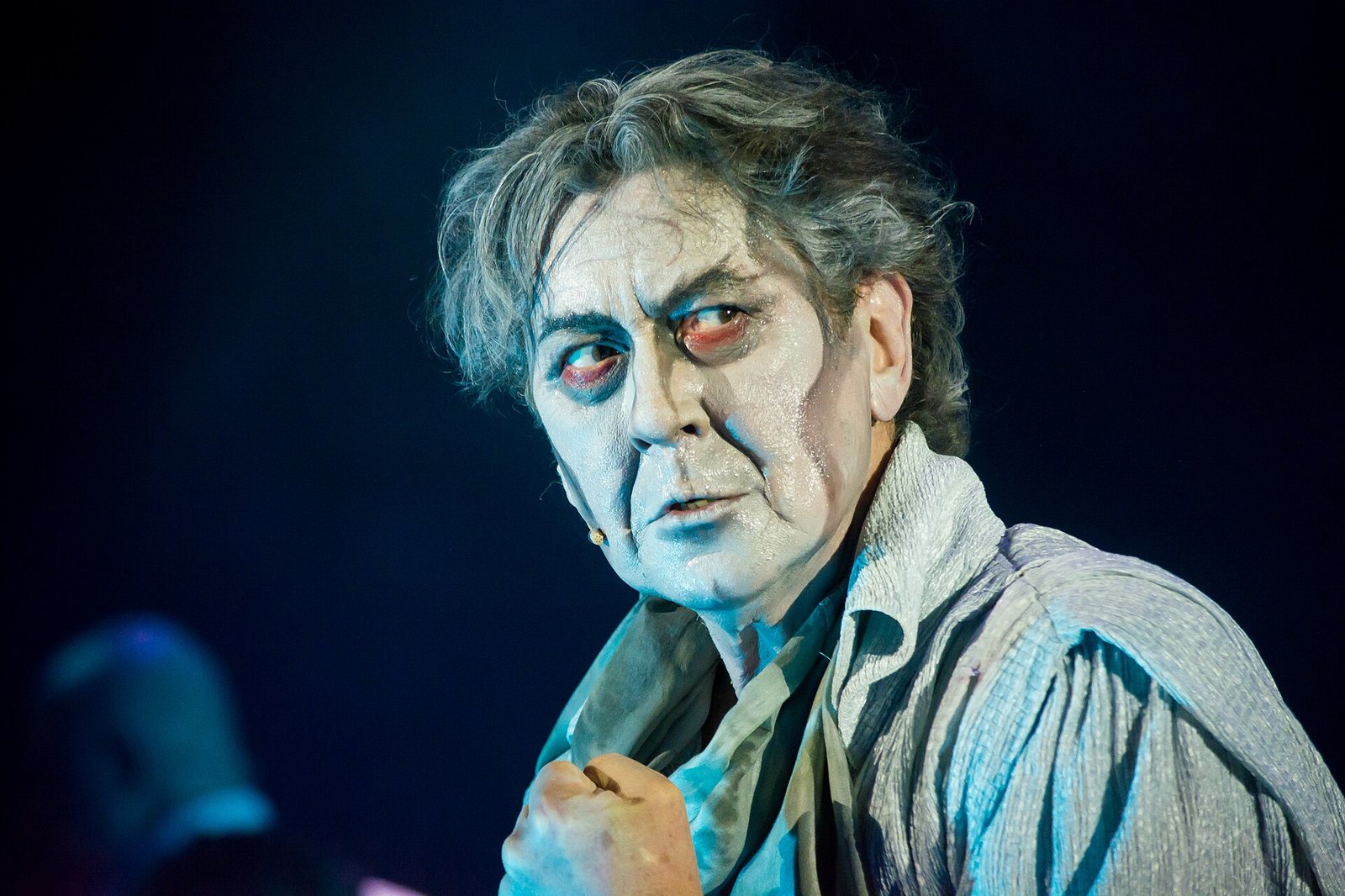
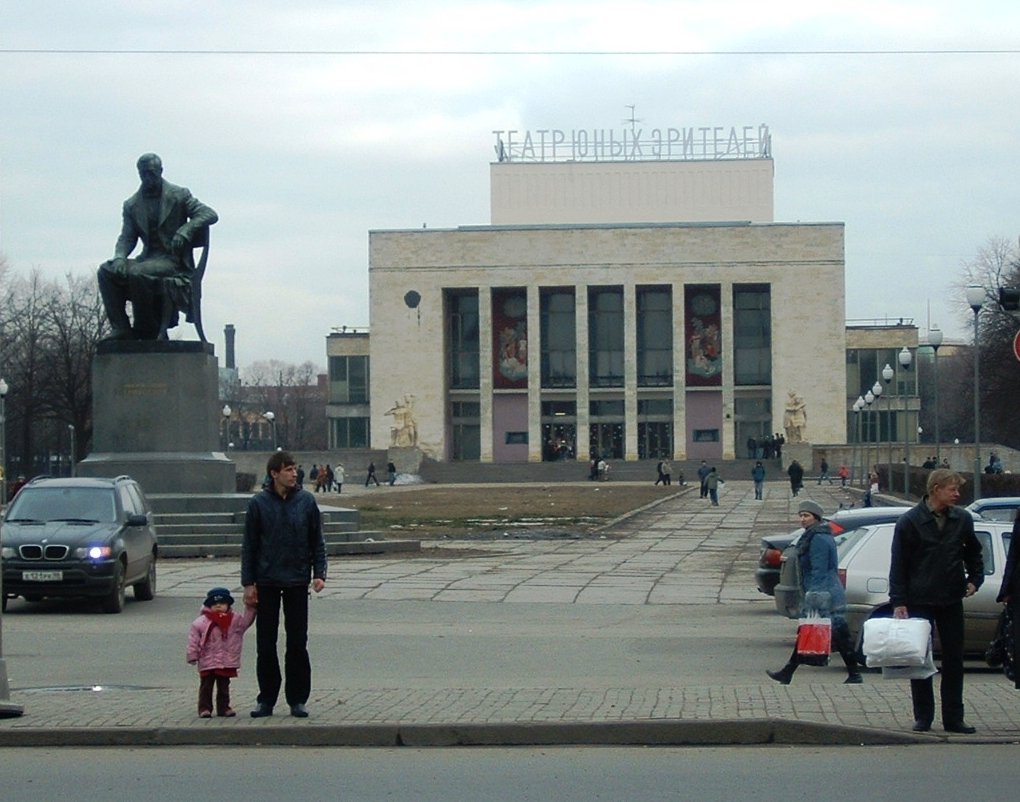
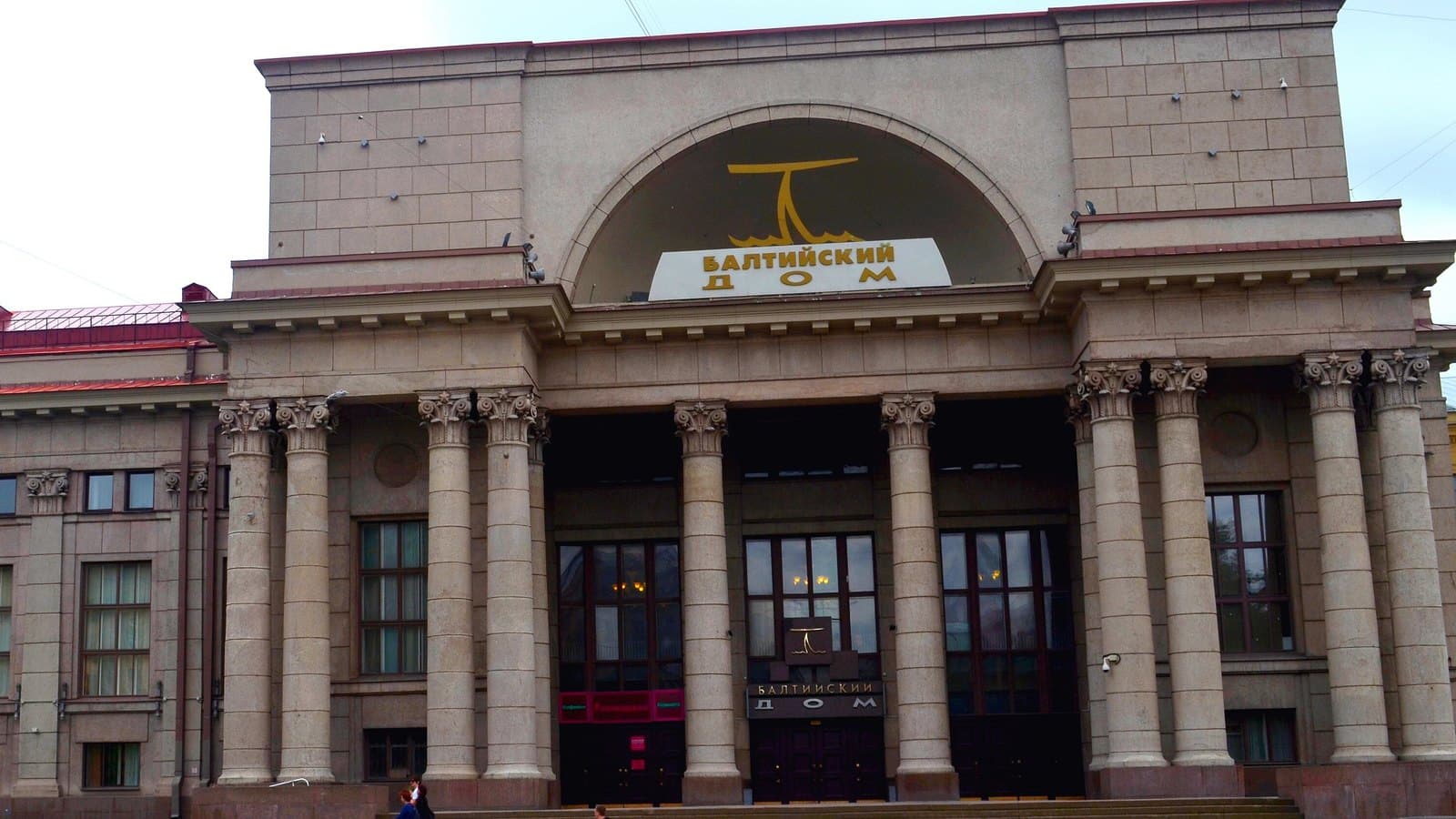
The 1962 building, one of the city's first purpose-built post-war theatres. Photo: Wikimedia Commons
Bryantsev and the 1962 building
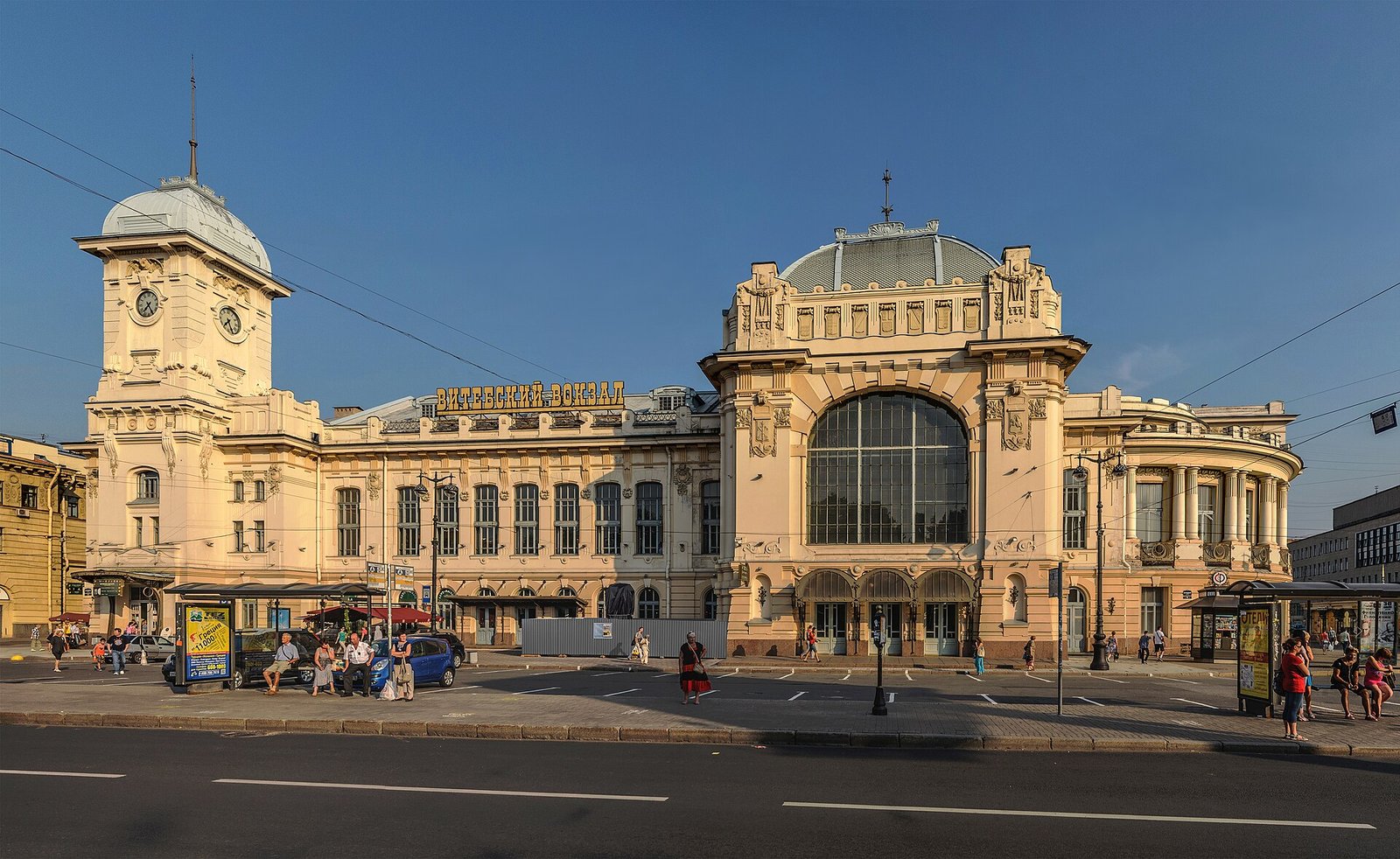
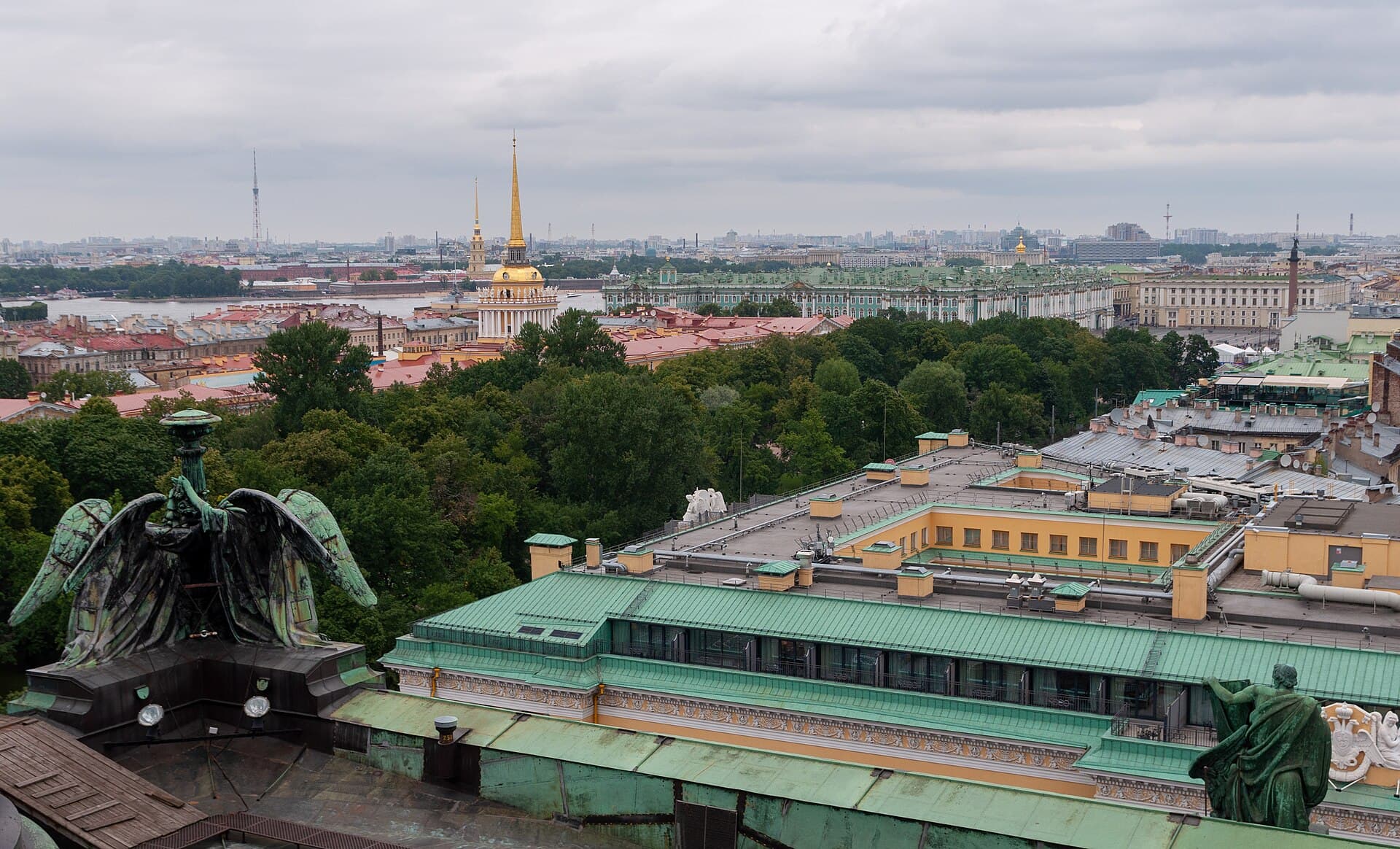
For its first forty years the theatre worked on Mokhovaya Street; in 1962 it moved into a building on Pionerskaya Square designed for it by Alexander Zhuk. According to the theatre, the key idea was an amphitheatre hall without tiers or balconies, so that every child sees the stage equally well — nothing like it existed in the city then. In front is a garden with a monument to Griboyedov; behind is Vitebsky railway station. It is a quiet corner of the centre that tourists rarely reach.
Repertoire by age
The theatre runs three strands. For younger children, fairy tales and classics rated 6+. For middle schoolers, productions of the school syllabus — Pushkin, Gogol, Ostrovsky — staged so they do not feel like a literature lesson. For older teenagers, contemporary prose and plays rated 14+ and 16+, often tackling hard themes. The Small Stage hosts chamber pieces and experiments. Every title carries an age rating, and it is meant seriously.
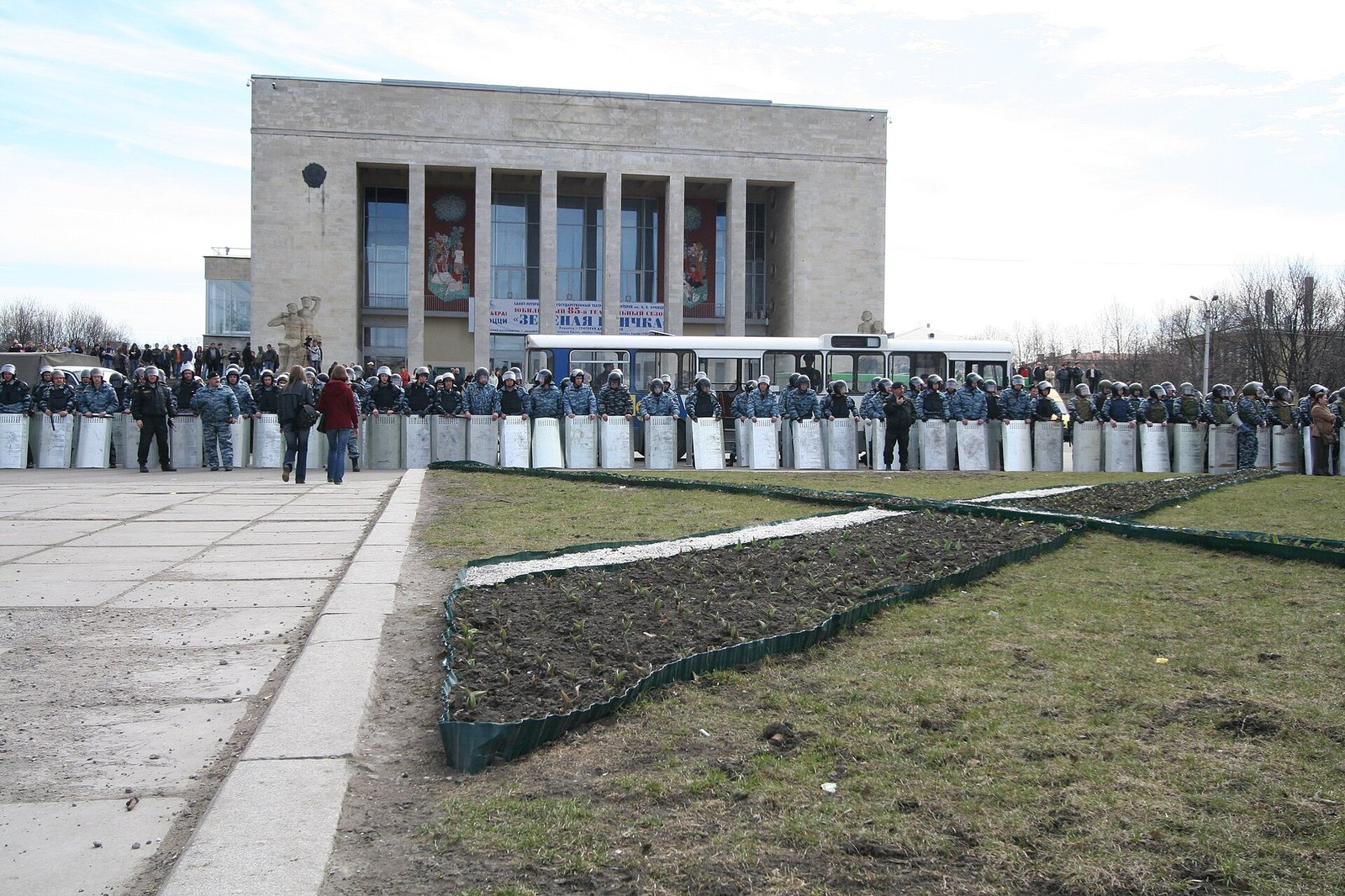
The core of the programme is for ages 10 to 16. Photo: Wikimedia Commons
The Raduga festival
Every spring the theatre hosts Raduga, an international festival of productions for young audiences from different cities and countries — the best moment to see several shows in a week. Dates and programme are on the website.
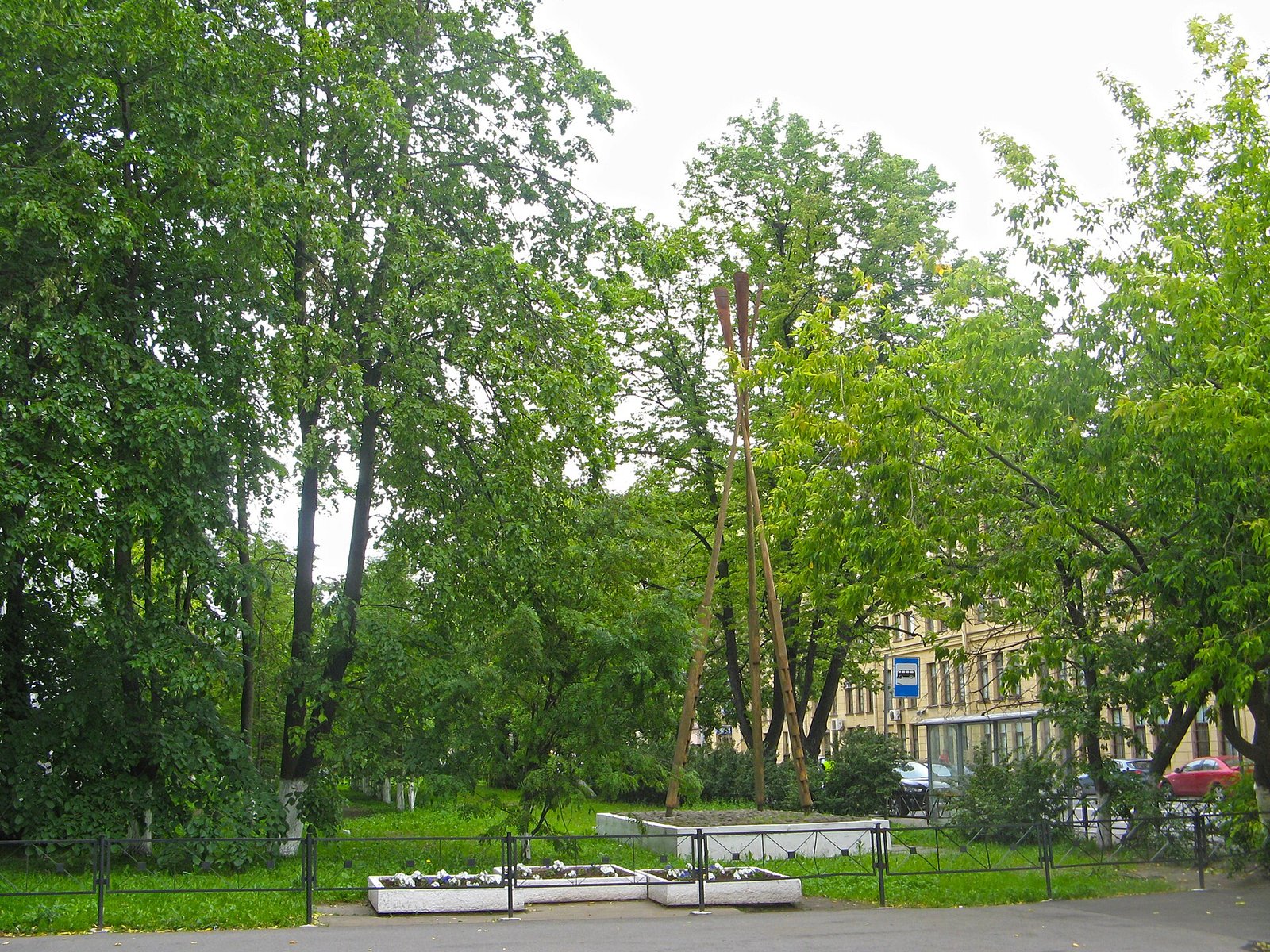
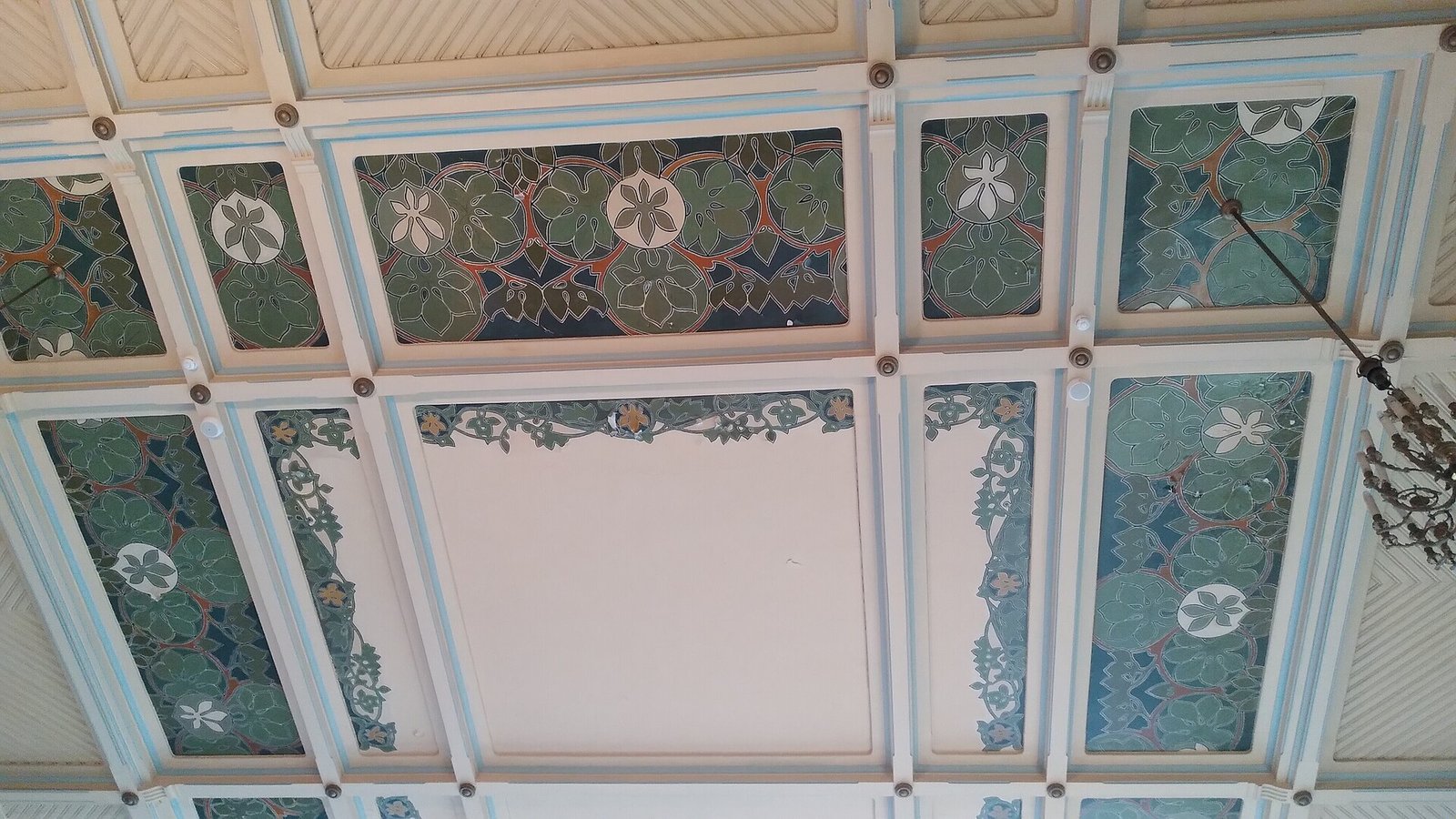
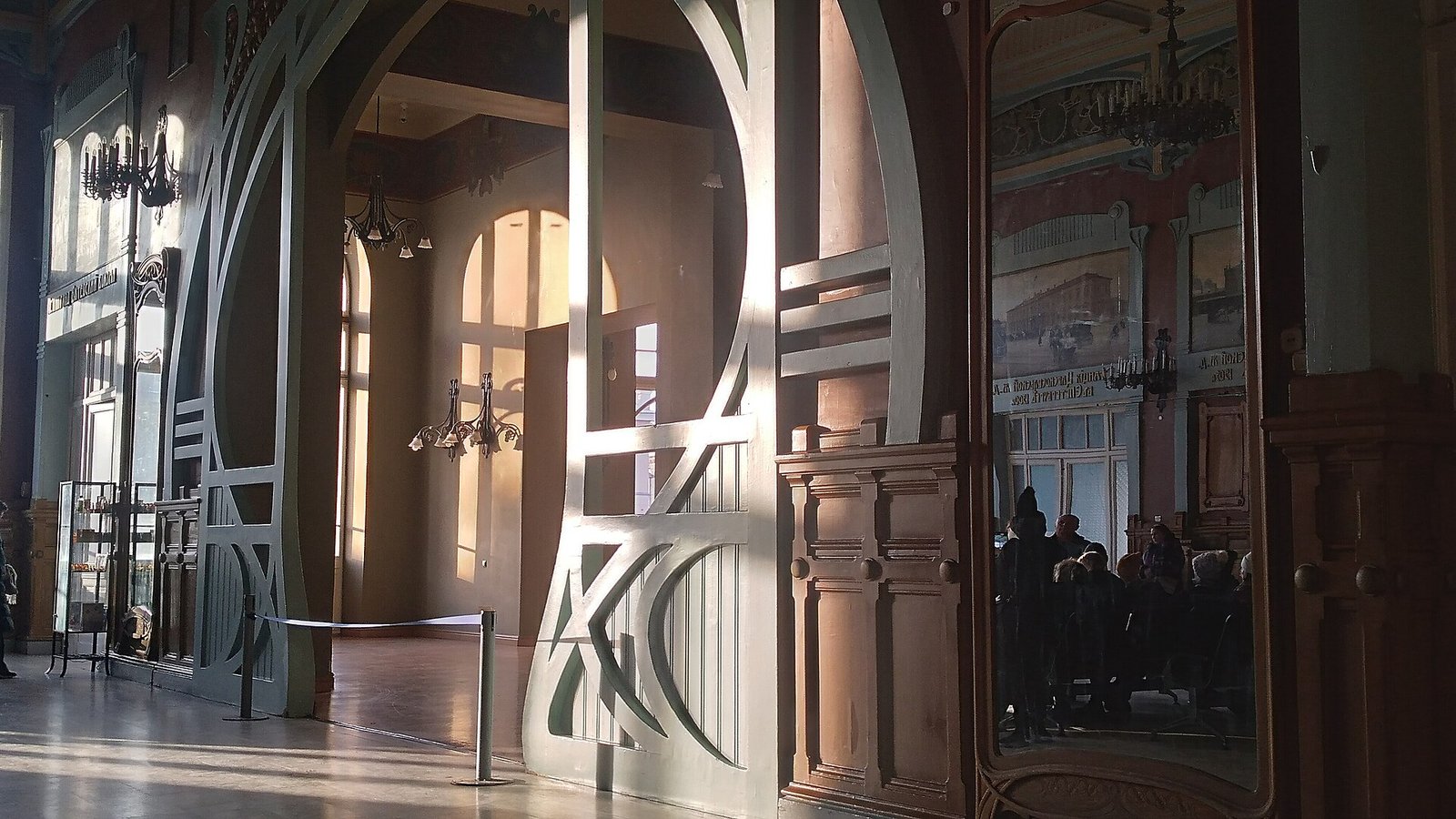
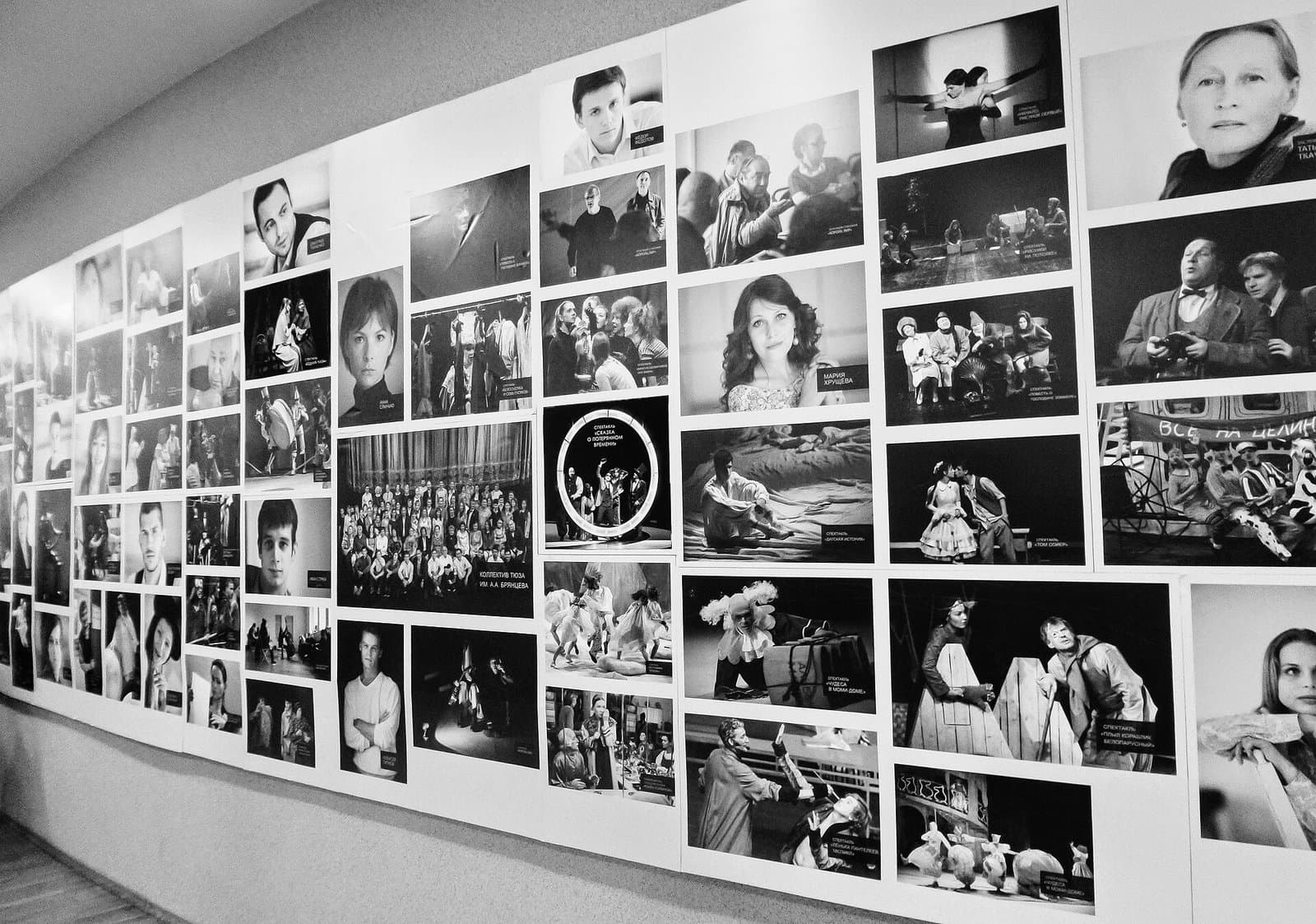
The foyer of the main hall. Photo: Wikimedia Commons
The hall and seats
The main hall is an amphitheatre of about 700 seats with no tiers. The sectors fan out; the central ones, rows five to twelve, give the best balance of view and distance. The outer sectors look at the stage from the side, which matters for shows with video projection. The Small Stage seats about a hundred and every seat is equal.
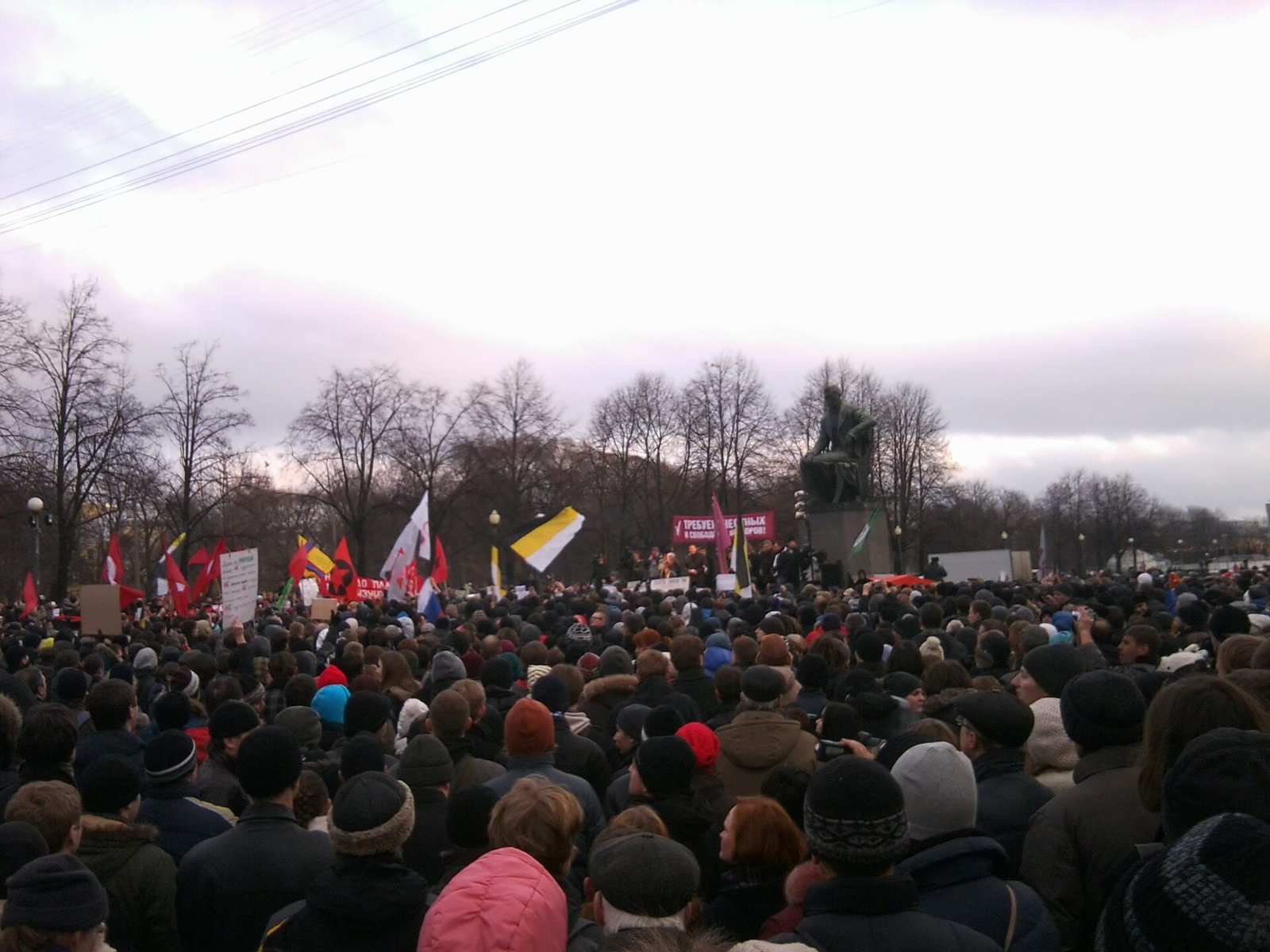
The amphitheatre hall: the stage is visible from every seat. Photo: Wikimedia Commons