
Wat is het Taurische Paleis en waarom is het belangrijk in Sint-Petersburg?
Het Taurische Paleis (Tavrichesky Dvorets) is een van Sint-Petersburgs belangrijkste neoklassieke bezienswaardigheden, in opdracht van Catharina de Grote in 1783 als geschenk aan haar favoriet, Prins Grigori Potemkin, na zijn verovering van de Krim (historisch Taurida genoemd). Ontworpen door architect Ivan Starov, diende dit uitgestrekte landgoed aan de Shpalernaya-straat als Potemkins residentie tot zijn dood in 1791, waarna het terugkeerde naar keizerlijk bezit en later het eerste parlement van Rusland, de Staatsdoema, huisvestte van 1906 tot 1917. Tegenwoordig functioneert het paleis als hoofdkwartier van de Interparlementaire Assemblee van GOS-lidstaten, wat betekent dat toegang tot het interieur beperkt blijft tot vooraf geregelde officiële rondleidingen, maar de omliggende Taurische Tuin blijft een van de meest geliefde openbare parken van de stad.
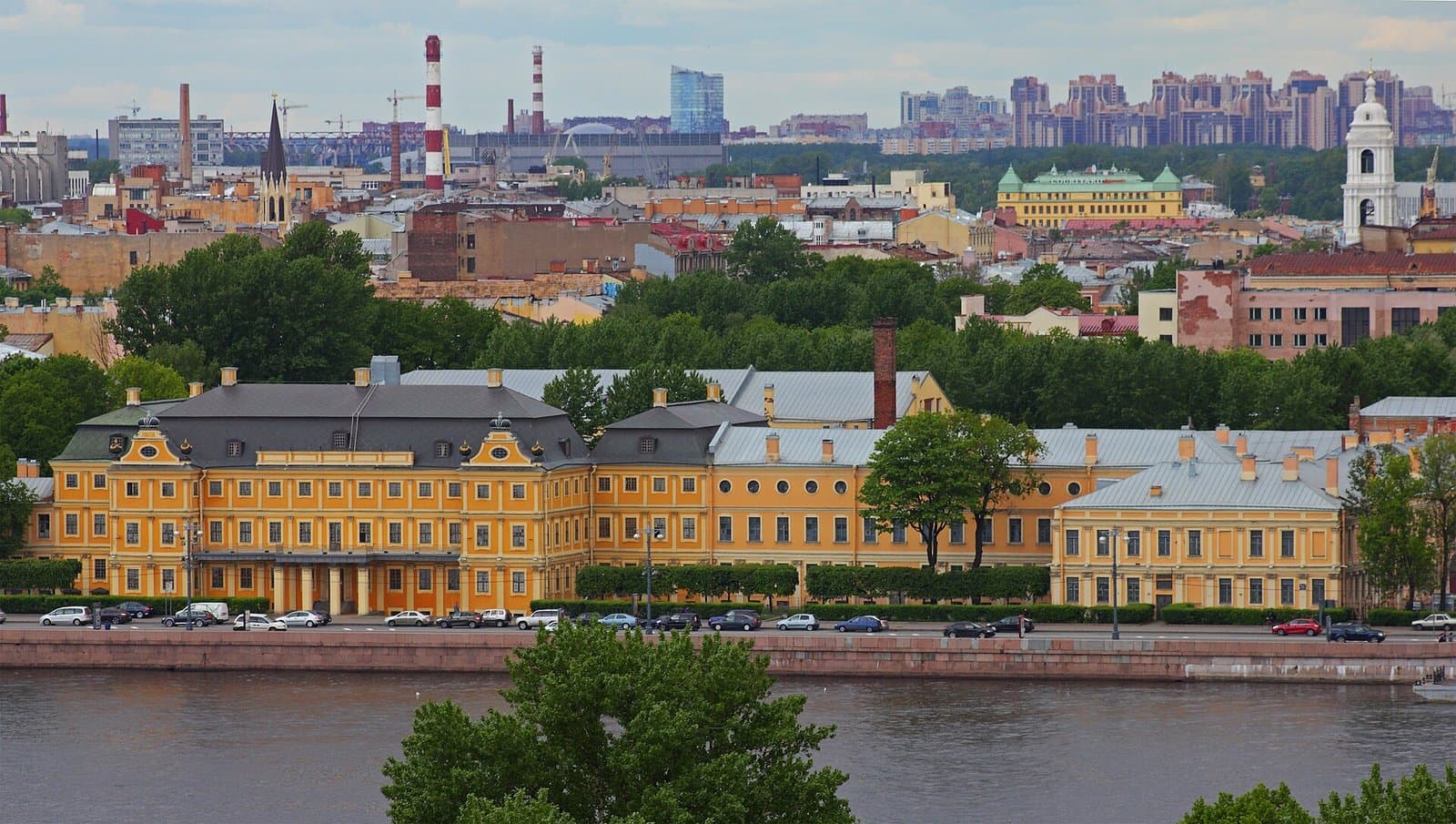
Het contrast tussen de sobere gele gevel van het paleis en het weelderige groen creëert een opvallende indruk – dit is niet de vergulde overdaad van Peterhof of de Hermitage, maar eerder een studie in ingetogen elegantie die Potemkins smaak voor klassieke eenvoud weerspiegelde. Het historische belang van het paleis reikt verder dan architectuur: het was getuige van de Februarirevolutie van 1917, toen de Petrograd Sovjet in zijn zalen bijeenkwam, waardoor het een cruciale plek is voor het begrijpen van Ruslands overgang van keizerrijk naar Sovjetstaat. Het Russische Ministerie van Cultuur erkent het Taurische Paleis als een federaal cultureel erfgoedobject, hoewel de huidige overheidsfunctie de toeristische mogelijkheden beperkt in vergelijking met andere keizerlijke residenties.
Het paleiscomplex beslaat ongeveer 8 hectare langs de linkeroever van de Neva, gelegen tussen Liteyny Prospekt en Tavrichesky Lane in het Smolninsky District. Het neoklassieke ontwerp omvat een centrale portiek met zes zuilen, twee symmetrische vleugels en een interieurindeling die oorspronkelijk een grote zaal van 75 meter lang omvatte – een van Europa's grootste ononderbroken binnenruimtes in de 18e eeuw. De aangrenzende Taurische Tuin, in de jaren 1780 opnieuw ontworpen in de Engelse landschapsstijl door de Engelse tuinier William Gould, beslaat 21 hectare en omvat kunstmatige vijvers, kronkelende paden en recreatiegebieden die zowel de lokale bevolking als toeristen het hele jaar door aantrekken.
Hoe kunnen toeristen het Taurische Paleis bezoeken in 2026?
Een bezoek aan het interieur van het Taurische Paleis vereist voorafgaande boeking via officiële kanalen, aangezien het gebouw actieve overheidsfuncties vervult en niet functioneert als een traditioneel museum. Rondleidingen zijn beschikbaar na voorafgaande aanvraag via het Centrum voor de Geschiedenis van het Parlementarisme, en de huidige prijzen, data en voorwaarden moeten op de website worden gecontroleerd. Boekingen vereisen verplichte paspoortpresentatie en veiligheidscontrole. Spontane bezoeken zijn niet mogelijk.
Vragen bij de paleispoorten aan de Shpalernaya-straat worden doorgestuurd naar het online boekingssysteem – spontane toegang bestaat hier eenvoudigweg niet. De rondleidingen, in het Russisch met af en toe Engelse opties, duren ongeveer 60 minuten en omvatten drie belangrijke staatszalen, waaronder de gereconstrueerde Ekaterininsky-zaal met zijn Korinthische zuilen en de voormalige Doema-kamer waar revolutionaire debatten plaatsvonden. Fotografie binnen is verboden vanwege veiligheidsprotocollen, wat de actieve politieke rol van het gebouw onderstreept.
Voor degenen die geen toegang tot het interieur kunnen krijgen, bieden de buitenkant van het paleis en de omliggende tuin aanzienlijke historische context zonder reserveringen. Het beste uitzichtpunt aan de buitenkant bevindt zich op de hoek van de Shpalernaya-straat en de Potëmkina-straat, waar de proporties van de hoofdgevel volledig zichtbaar worden. Vroeg ochtendlicht (tussen 8-10 uur van mei tot augustus) biedt optimale fotografische omstandigheden, waarbij de zon de gele stucmuren verlicht zonder harde schaduwen. De paleispoorten gaan kort open rond 9 uur en 18 uur wanneer personeel binnenkomt en weggaat, wat vluchtige blikken op de binnenplaats biedt, hoewel beveiligingspersoneel aarzelaars ontmoedigt.
Wat maakt de Taurische Tuin de moeite waard om apart te verkennen?
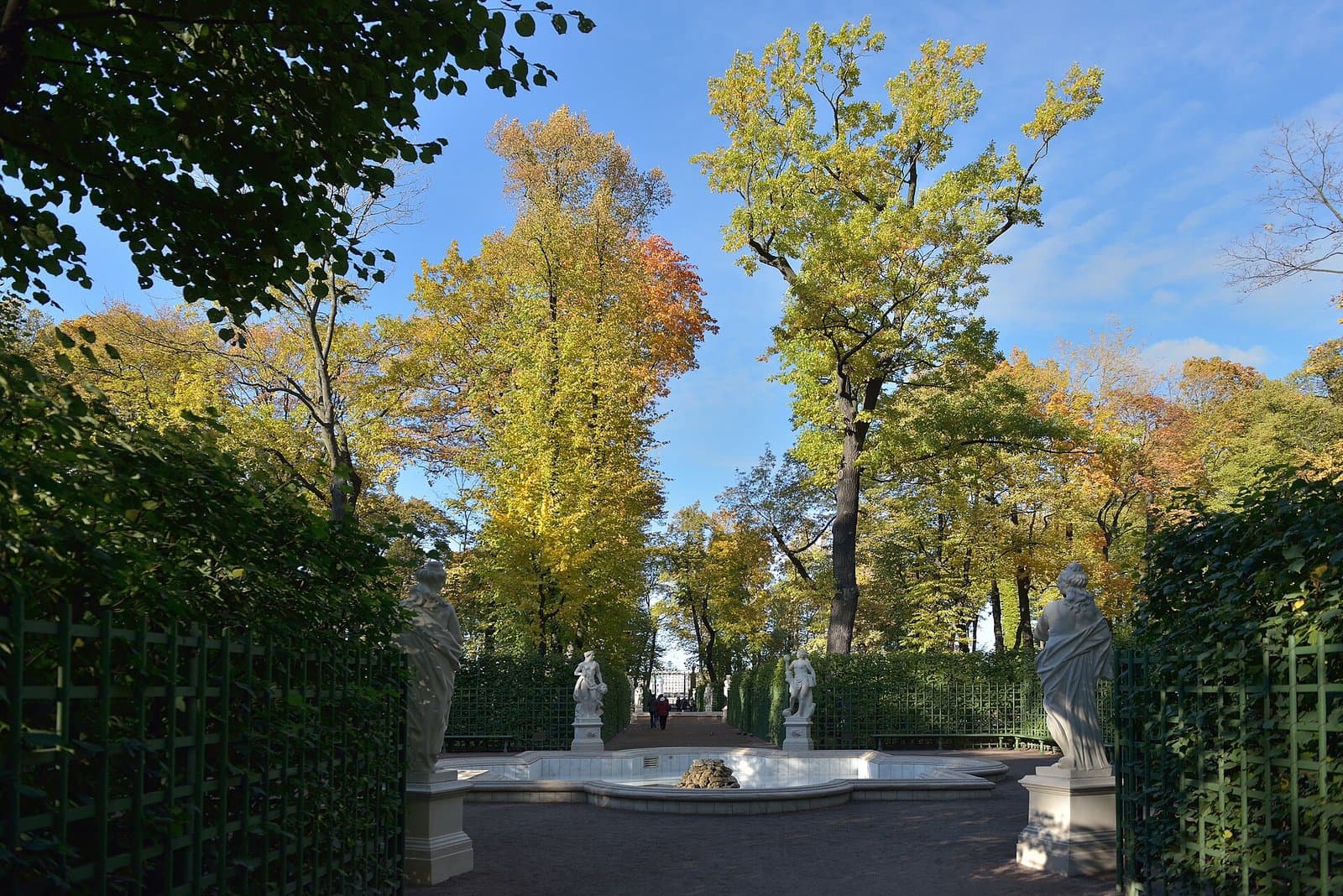
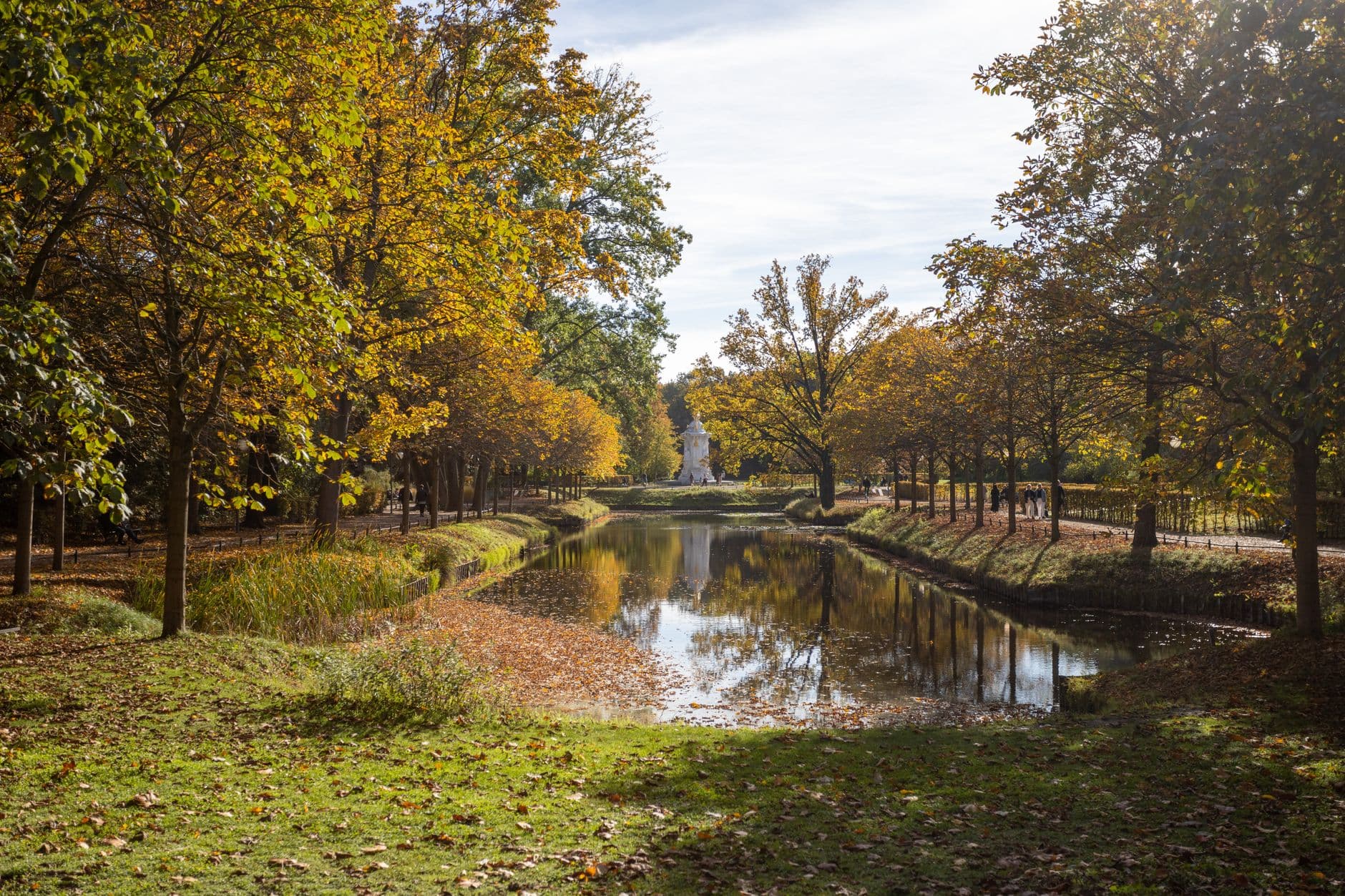
De Taurische Tuin functioneert als een gratis openbaar park dat dagelijks tot laat geopend is (controleer de huidige openingstijden), onderhouden door het Sint-Petersburgs Comité voor de Verbetering van de Stedelijke Omgeving. In tegenstelling tot het paleis zelf, verwelkomt de tuin bezoekers zonder beperkingen en biedt 21 hectare aangelegde gronden met twee onderling verbonden vijvers, een kinderspeeltuin en talrijke bankjes om te ontspannen. Het Engelse landschapsontwerp van de tuin, geïmplementeerd in de jaren 1780, creëert naturalistische vergezichten die scherp contrasteren met de formele geometrie van de Zomertuin of de Mikhailovsky-tuin, waardoor het meer aanvoelt als een landelijke retraite dan een stadspark.
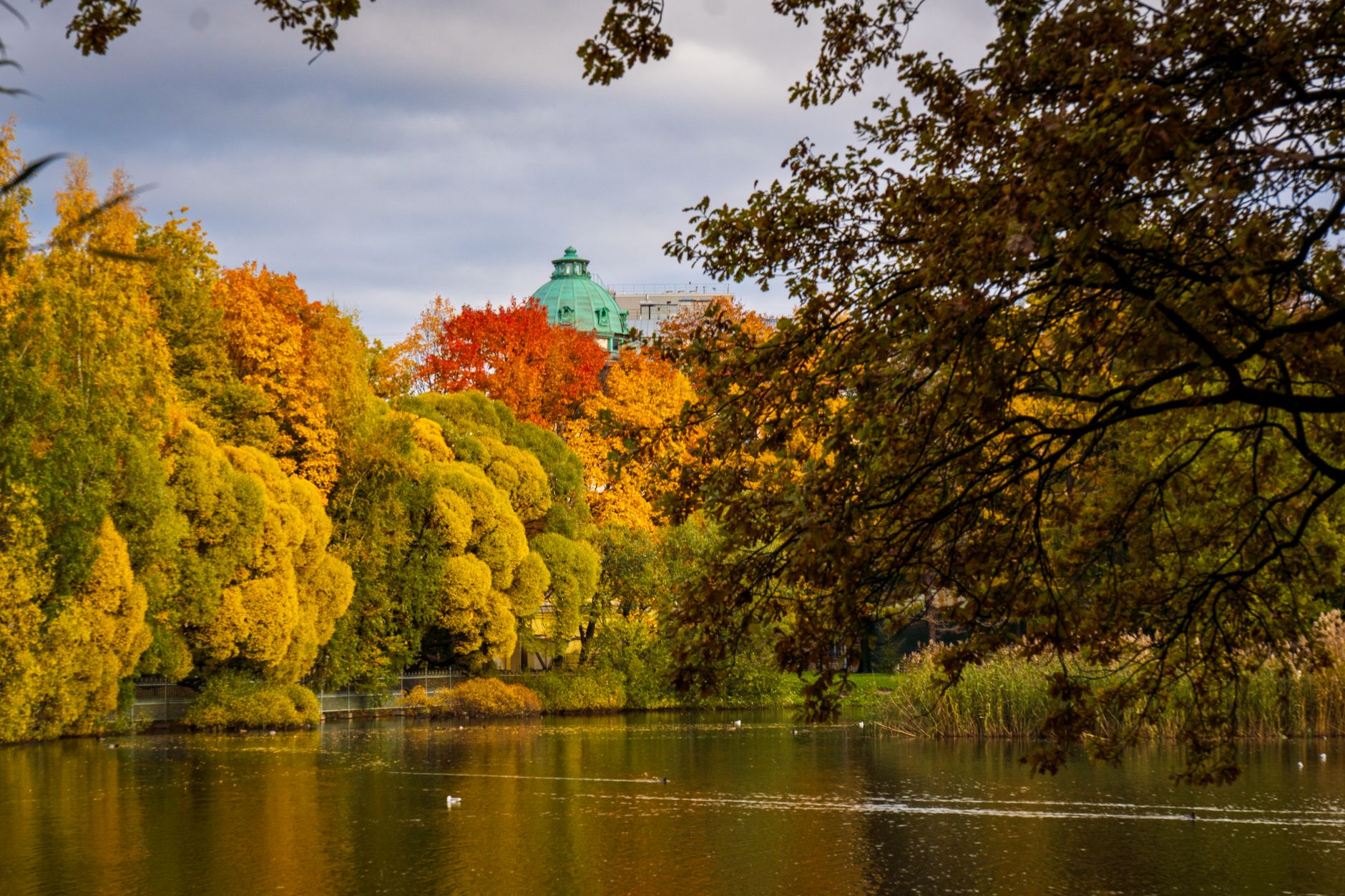
De lokale bevolking beschouwt deze ruimte als hun buurtwoonkamer – oudere schakers bezetten tafels bij de noordelijke vijver, jonge ouders duwen kinderwagens langs de asfaltpaden en tieners verzamelen zich op het gras tijdens warme avonden. De relatieve onbekendheid van de tuin onder internationale toeristen (vergeleken met de Hermitage of Peterhof) betekent dat bezoekers het authentieke dagelijkse leven van Sint-Petersburg ervaren in plaats van reisgroepen. De hoofdvijver trekt eenden en zwanen aan die brood van bezoekers accepteren, hoewel officiële borden het voeren ontmoedigen om de waterkwaliteit te beschermen.
Seizoensvariaties veranderen het karakter van de tuin drastisch: de lente (eind april tot mei) brengt bloeiende seringen en appelbomen die de lucht parfumeren, de zomer (juni tot augustus) ziet buitenfitnesslessen en yogasessies op de gazons, de herfst (september tot oktober) verandert de loofbomen in gouden baldakijnen, en de winter (november tot maart) bedekt het landschap met sneeuw, met af en toe langlaufroutes langs de paden. De tuin mist grote architectonische monumenten – geen grote fonteinen of sculpturen – wat sommige bezoekers teleurstellend vinden, maar wat de rustige, pretentieloze sfeer behoudt. Het Sint-Petersburgs Toerisme Comité noemt de Taurische Tuin een van de top tien groene ruimtes van de stad voor picknicks en informele recreatie, en merkt de aantrekkingskracht op voor gezinnen en degenen die rust zoeken na museummoeheid.
Hoe bereik ik het Taurische Paleis vanuit het centrum van Sint-Petersburg?
Het Taurische Paleis ligt ongeveer 2,5 kilometer ten oosten van Nevsky Prospekt, bereikbaar via meerdere metro- en busroutes die aansluiten op de centrale toeristische zone van de stad. Het dichtstbijzijnde metrostation, Chernyshevskaya (Paarse Lijn 3), ligt 700 meter ten westen van de paleisingang – een wandeling van 10 minuten langs de Shpalernaya-straat die langs woongebouwen en kleine cafés voert. Als alternatief ligt station Ploshchad Vosstaniya (Rode Lijn 1) 1,2 kilometer ten zuidwesten, wat een wandeling van 15 minuten vereist, maar verbindingen biedt met het Moskovsky treinstation voor reizigers die met de trein vanuit Moskou of andere Russische steden arriveren.
De wandelroute vanaf Nevsky Prospekt via Liteyny Prospekt duurt ongeveer 25 minuten in een rustig tempo en passeert het Sheremetev Paleis (Fonteinhuis) en verschillende historische appartementengebouwen die de 19e-eeuwse residentiële architectuur van Sint-Petersburg tonen. Deze wandelroute biedt context voor het begrijpen hoe het Taurische Paleis functioneerde binnen het bredere stedelijke weefsel van de stad – het was geen geïsoleerd landgoed zoals Peterhof, maar eerder een aristocratische residentie ingebed in het zich ontwikkelende stadsraster. De wandeling zelf wordt onderdeel van de ervaring en onthult lagen van de architectonische evolutie van Sint-Petersburg, van de regering van Catharina de Grote tot de Sovjet-constructie.
Openbare bussen stoppen direct bij de halte Tavrichesky Sad aan de Shpalernaya-straat, met tarieven die betaald kunnen worden via de Podorozhnik-vervoerskaart, die toeristen bij elk metrostation kunnen kopen. Taxi's via Yandex.Taxi of Uber bieden een goedkoop alternatief vanaf hotels in de buurt van Nevsky Prospekt, met reistijden variërend van 8-15 minuten, afhankelijk van het verkeer. Het paleisgebied biedt beperkte parkeergelegenheid op straat – de meeste plaatsen zijn gereserveerd voor overheidsvoertuigen – dus privéauto's worden niet aanbevolen, tenzij u parkeert in de buurt van metrostation Chernyshevskaya en de laatste afstand loopt.