Perché la Cattedrale di Smolny si distingue tra i monumenti barocchi di San Pietroburgo?
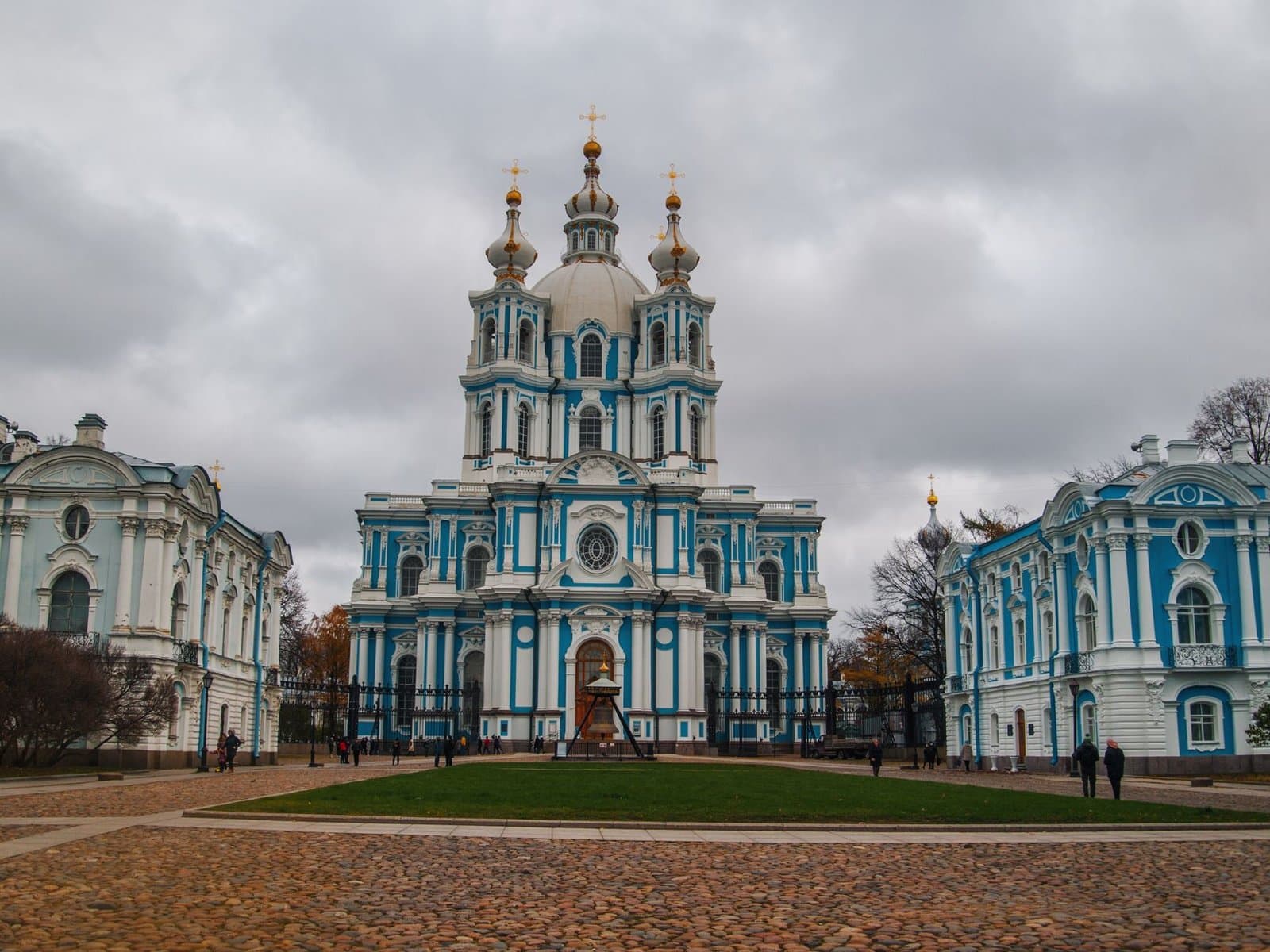
La Cattedrale di Smolny rappresenta l'apice del genio architettonico di Francesco Bartolomeo Rastrelli a San Pietroburgo, completata tra il 1748 e il 1764 sotto l'imperatrice Elisabetta. La struttura a cinque cupole si erge a circa 93,7 metri sopra la riva sinistra del fiume Neva, e il suo campanile ospita uno dei punti panoramici storici più alti del centro città, un'alternativa molto meno affollata al colonnato della Cattedrale di Sant'Isacco. A differenza degli interni dorati dell'Ermitage o dei giardini con fontane di Peterhof, Smolny offre un puro dramma architettonico attraverso la sua facciata celeste blu e bianca e il campanile perfettamente proporzionato.
Avvicinandosi al complesso della cattedrale dalla stazione della metropolitana di Piazza Rastrelli, la sua imponenza sorprende i visitatori, nonostante abbiano visto decine di fotografie. Gli edifici del convento formano una croce simmetrica attorno alla cattedrale centrale, creando un cortile chiuso che sembra isolato dalla griglia urbana di Nevsky Prospekt, a soli tre chilometri a sud-ovest. Il Museo Statale della Storia di San Pietroburgo rileva che Rastrelli originariamente progettò Smolny come convento di ritiro per la stessa Elisabetta, che in realtà non prese mai i voti monastici ma assicurò che il progetto ricevesse finanziamenti imperiali durante tutta la costruzione.
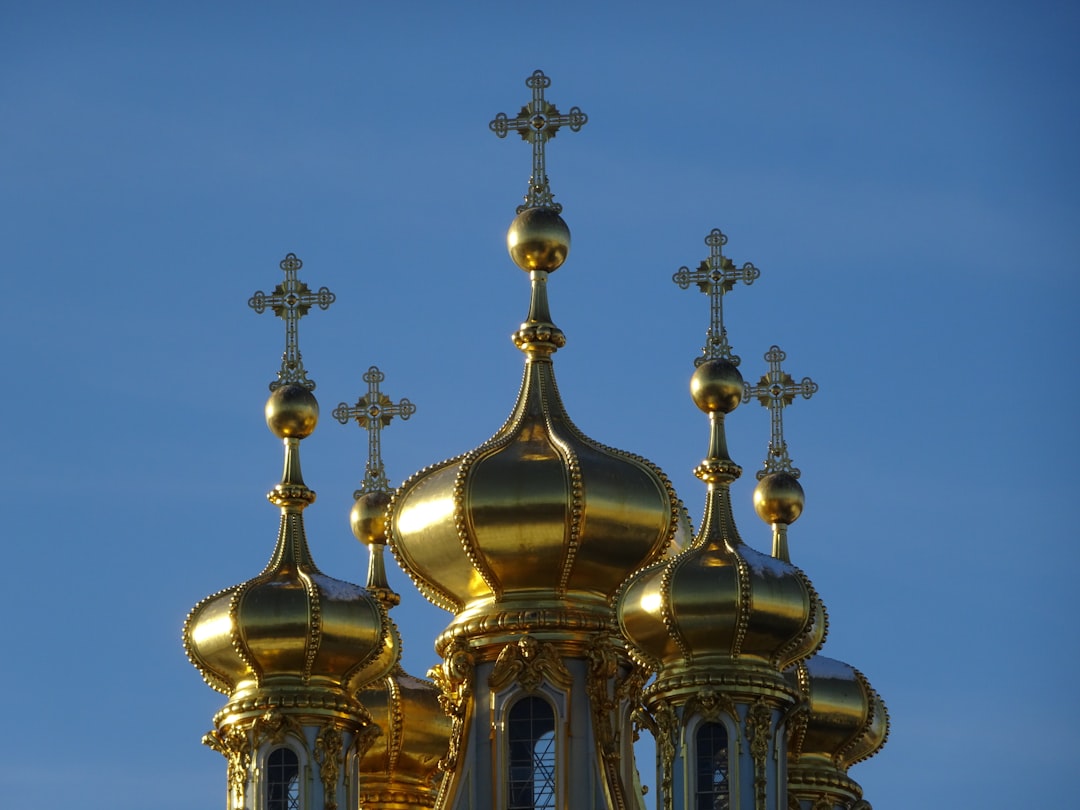
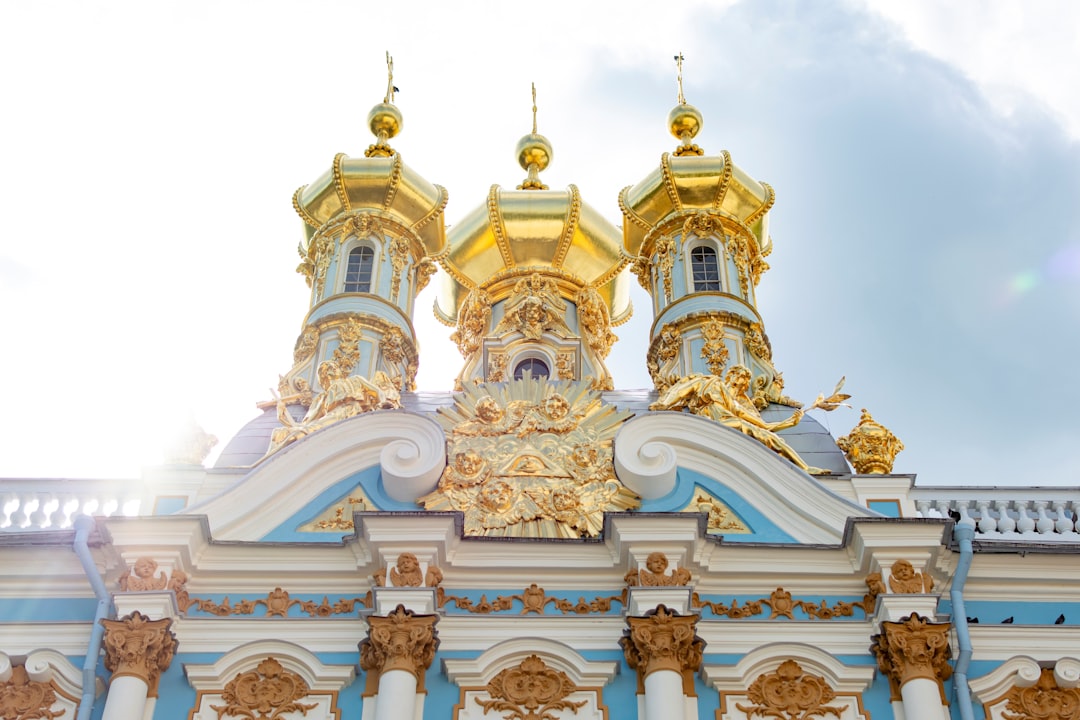
L'esterno della cattedrale combina le tradizioni ortodosse russe con gli ornamenti barocchi italiani in modi che la distinguono dalle altre opere di Rastrelli a San Pietroburgo, come il Palazzo d'Inverno. Ognuna delle cinque cupole a cipolla è dorata e coronata da una croce ortodossa, mentre le pareti presentano pilastri, cornici e telai delle finestre dipinti in bianco brillante contro il caratteristico blu Smolny. La luce pomeridiana trasforma la facciata in qualcosa di quasi luminoso, in particolare se vista dal percorso pedonale sull'argine della Neva che collega al Giardino di Tauride.
I terreni del convento si estendono per diversi ettari e includono quattro chiese angolari originariamente destinate a celle residenziali. Oggi questi edifici ospitano la Sala Concerti della Cattedrale di Smolny, che presenta musica da camera e spettacoli corali durante tutto l'anno. Le proprietà acustiche dello spazio della cattedrale principale la rendono una delle principali sedi di San Pietroburgo per la musica classica, rivaleggiando con il Teatro Mariinsky per alcuni repertori. La qualità del suono sotto quelle volte ha valso alla sede un'ottima reputazione tra gli appassionati di musica classica.
Quanto costano i biglietti per la Cattedrale di Smolny nel 2026?
L'ingresso alla Cattedrale di Smolny è gratuito nel 2026: puoi entrare nella cattedrale e passeggiare nei terreni del convento senza biglietto. L'unico elemento a pagamento è la piattaforma panoramica del campanile, che richiede un biglietto separato (recenti visitatori riferiscono una modesta tariffa nell'ordine di poche centinaia di rubli). I prezzi per la salita e per eventuali concerti cambiano di stagione in stagione, quindi conferma gli importi attuali presso la biglietteria della cattedrale o sul sito ufficiale prima della tua visita. Il pagamento è accettato in rubli contanti e con carte Visa, Mastercard e Mir.
Il biglietto per la piattaforma panoramica include la salita della scala a chiocciola del campanile (circa 277 gradini) fino a una piattaforma panoramica a circa 50 metri di altezza, che si apre su ampi panorami da dietro ringhiere protettive. Il campanile osserva orari di apertura più brevi e stagionali rispetto alla cattedrale, e la salita può essere sospesa in caso di maltempo, quindi vale la pena controllare l'orario attuale presso la biglietteria il giorno stesso. Gli orari del tardo pomeriggio – e, in piena estate, quelli della prima serata – offrono la migliore luce sulla città.
Poiché l'ingresso alla cattedrale è gratuito, le principali cose da pianificare sono la salita al campanile e qualsiasi concerto a cui si desidera partecipare. Durante l'alta stagione, da maggio a settembre, la torre può attirare code, quindi arrivare prima durante il giorno o più tardi nel pomeriggio aiuta a evitare i periodi più affollati prima della salita.
Accesso
Costo
Note
Cattedrale e terreni del convento
Gratuito
Nessun biglietto necessario per entrare
Piattaforma panoramica del campanile
A pagamento — confermare alla biglietteria
Salita di ~277 gradini; orari più brevi e stagionali; può essere sospesa in caso di maltempo
Concerti nella cattedrale
A pagamento, varia a seconda dell'evento
Vedere il programma ufficiale
Pagamento accettato
Contanti ₽, Visa, Mastercard, Mir
I prezzi cambiano stagionalmente — verificare prima di visitare
Cosa si può vedere dalla piattaforma panoramica di Smolny?
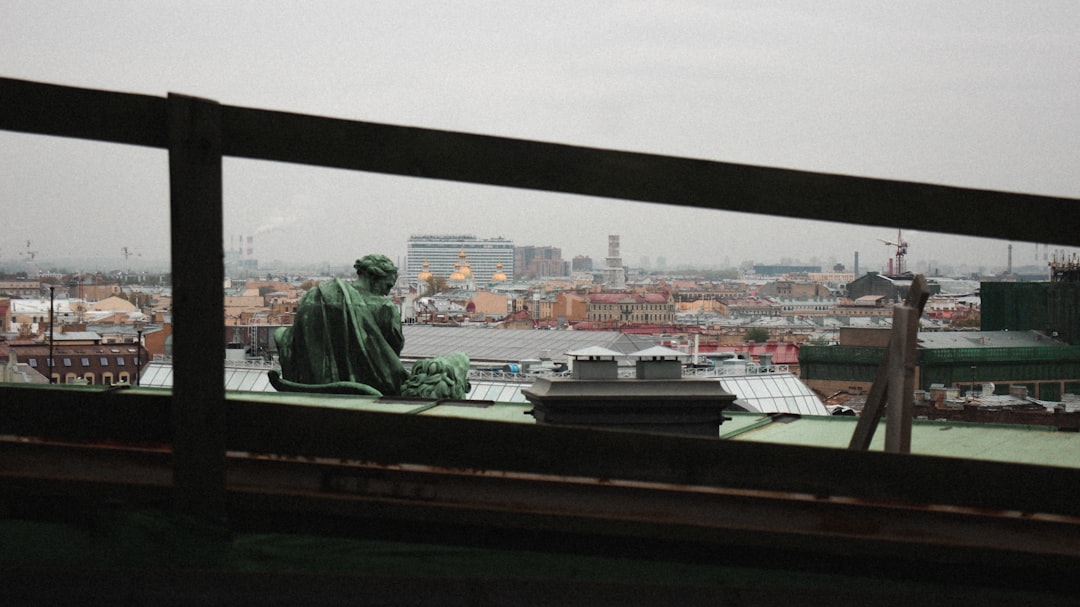
La piattaforma panoramica del campanile della Cattedrale di Smolny offre viste ininterrotte sulle zone del Patrimonio Mondiale UNESCO del centro di San Pietroburgo, comprendendo il fiume Neva, l'isola di Vasilyevsky e il centro storico che si estende verso il percorso di avvicinamento meridionale dell'aeroporto di Pulkovo. Nelle giornate limpide, la visibilità si estende per 15-20 chilometri in tutte le direzioni, rivelando la guglia dorata della Fortezza di Pietro e Paolo, la cupola della Cattedrale di Sant'Isacco e i campanili della Lavra di Alexander Nevsky. Questo vantaggio di elevazione rende Smolny l'unico punto di osservazione da cui è possibile vedere contemporaneamente sia le propaggini orientali del Golfo di Finlandia che i corsi d'acqua interni che collegano al Lago Ladoga.
Guardando a nord-ovest dalla piattaforma, il fiume Neva curva oltre i giardini del Palazzo di Tauride e verso il Ponte Liteyny, con il complesso dell'Ermitage visibile come una linea continua di facciate di palazzi lungo la sponda opposta. La vista verso sud cattura la traiettoria rettilinea di Nevsky Prospekt dal Monastero di Alexander Nevsky alla guglia dell'Ammiragliato, una linea visiva che dimostra i principi di pianificazione geometrica della città. Le visite mattutine offrono angoli di sole bassi che proiettano lunghe ombre, enfatizzando il rilievo architettonico della città e rivelando dettagli invisibili dal livello della strada.
Il panorama orientale include gli edifici neoclassici dell'Istituto Smolny, dove Lenin stabilì il quartier generale bolscevico nel 1917, ora sede dell'ufficio del Governatore di San Pietroburgo. Le zone industriali lungo la riva sinistra della Neva si estendono verso la tangenziale, fornendo un contesto per il ruolo della città come seconda area metropolitana più grande della Russia. Pannelli interpretativi sulla piattaforma di osservazione identificano i principali punti di riferimento con distanze e brevi note storiche in russo, inglese e cinese.
La fotografia dalla piattaforma è illimitata, anche se le reti protettive richiedono un attento posizionamento dell'obiettivo per evitare interferenze. Scattare attraverso le aperture della rete con un paraluce riduce al minimo i riflessi, e la prospettiva elevata crea composizioni drammatiche impossibili da punti di osservazione a livello del suolo intorno a Piazza del Palazzo o all'Ermitage. Le visite al tramonto durante il periodo delle notti bianche di giugno offrono condizioni di illuminazione eccezionali, anche se questi orari si esauriscono rapidamente e richiedono la prenotazione anticipata tramite il sito web ufficiale della cattedrale.
al cambio della Banca di Russia del 17.10.2026 · powered by tutkakdoma
La visione architettonica di Rastrelli e le sfide costruttive
Francesco Bartolomeo Rastrelli ricevette l'incarico per Smolny nel 1748, quando l'imperatrice Elisabetta cercò di creare un convento di ritiro che servisse anche come centro spirituale per la crescente comunità ortodossa di San Pietroburgo. L'architetto italiano adattò il suo vocabolario barocco alle esigenze ecclesiastiche russe, progettando una cattedrale a cinque cupole che onorava le tradizionali disposizioni ortodosse introducendo elementi decorativi dell'Europa occidentale. Il progetto richiese lo scavo delle fondamenta a notevole profondità a causa del terreno paludoso vicino alla Neva, utilizzando migliaia di pali di legno per stabilizzare la struttura, una tecnica che Rastrelli perfezionò al Gran Palazzo di Peterhof.
La costruzione procedette a fasi per molti decenni, con la morte di Elisabetta nel 1762 che interruppe temporaneamente i lavori quando i fondi furono reindirizzati ad altre priorità imperiali. Caterina la Grande mostrò meno entusiasmo per il progetto rispetto alla sua predecessora, consentendo solo una manutenzione minima fino a quando Alessandro I ordinò il completamento dell'esterno nel 1835. L'interno rimase incompiuto fino al 1835, quando Vasily Stasov ridisegnò l'iconostasi e gli spazi dell'altare in uno stile neoclassico che contrasta con l'esterno barocco di Rastrelli. Gli archivi del Museo Russo contengono i disegni originali di Rastrelli che mostrano uno schema interno più elaborato che non fu mai eseguito a causa di vincoli di budget.
L'altezza del campanile pose sfide ingegneristiche che spinsero le tecniche costruttive del XVIII secolo ai loro limiti. Rastrelli progettò un nucleo in mattoni rinforzato con tiranti in ferro, un sistema ibrido che permise alla struttura di raggiungere i 93,7 metri mantenendo le proporzioni slanciate visibili oggi. I massicci blocchi di pietra alla base della torre e la loro precisa giunzione dimostrano l'abilità degli artigiani italiani e russi che lavorarono sotto la supervisione di Rastrelli. La stabilità della torre si è dimostrata notevole: è sopravvissuta sia alla rivoluzione del 1917 che all'assedio della Seconda Guerra Mondiale con danni minimi, richiedendo solo il restauro della facciata negli anni '80.
La combinazione di colori della cattedrale riflette il gusto personale di Elisabetta e la comprensione di Rastrelli di come i pigmenti avrebbero resistito al clima umido di San Pietroburgo. La vernice blu utilizza composti di lapislazzuli che resistono allo sbiadimento, mentre la finitura bianca impiega formule a base di calce che si espandono e si contraggono con i cambiamenti di temperatura senza screpolarsi. I moderni team di restauro che hanno lavorato tra il 2016 e il 2024 hanno riprodotto queste formule originali utilizzando ricette d'archivio e analisi chimiche di campioni di vernice provenienti da aree protette sotto le cornici.
Come si raggiunge la Cattedrale di Smolny dal centro di San Pietroburgo?
La Cattedrale di Smolny si trova a 3,2 chilometri a est di Nevsky Prospekt nel Distretto Centrale, accessibile tramite metropolitana, autobus o taxi dalle principali aree turistiche. La stazione della metropolitana più vicina è Chernyshevskaya sulla Linea 1 (linea rossa), situata a 850 metri a sud-ovest dell'ingresso della cattedrale in Piazza Rastrelli. Da Chernyshevskaya, cammina verso nord-est lungo Chernyshevskogo Prospekt, quindi gira a sinistra su Smolnogo Street: le cupole blu della cattedrale diventano visibili dopo 600 metri. La passeggiata dura 12-15 minuti e attraversa quartieri residenziali che mostrano la vita quotidiana di San Pietroburgo oltre il centro turistico.
Le linee di autobus 46 e 22 fermano direttamente alla Cattedrale di Smolny da vari punti lungo Nevsky Prospekt, con tempi di percorrenza di 20-25 minuti a seconda del traffico. L'opzione metropolitana più passeggiata offre affidabilità di orario e costa 95 rubli, o 65 con una carta Podorozhnik, rispetto agli 88 rubli per una singola corsa in autobus. I taxi da Piazza del Palazzo a Smolny costano in media qualche centinaio di rubli tramite Yandex.Taxi o Uber, impiegando circa 15 minuti al di fuori delle ore di punta. Il complesso della cattedrale include una piccola area di parcheggio per i visitatori che arrivano con veicoli privati, anche se i posti si riempiono rapidamente nei fine settimana.
Per i visitatori che soggiornano vicino all'aeroporto di Pulkovo o ai quartieri meridionali, le linee di minibus marshrutka offrono servizio per Smolny con fermate presso i principali hotel lungo Moskovskiy Prospekt. Queste linee operano dalla mattina presto alla sera tardi con frequenze regolari durante le ore di punta. Questa opzione può rivelarsi più veloce rispetto alla combinazione di trasferimenti in metropolitana, anche se i minibus possono essere affollati durante i periodi di punta del mattino. Le tariffe sono modeste, pagabili all'autista in contanti.
Camminare dall'Ermitage a Smolny è un'ottima escursione di mezza giornata che copre circa 4 chilometri attraverso quartieri storici. Il percorso segue l'argine della Neva a nord-est oltre il Giardino d'Estate e il Campo di Marte, quindi si addentra nell'entroterra al Ponte Liteyny verso il complesso della cattedrale. Questa passeggiata rivela strati dello sviluppo di San Pietroburgo, dalla grandezza imperiale vicino al Palazzo d'Inverno ai condomini di epoca sovietica che circondano Smolny, con numerosi caffè e panetterie lungo Suvorovskiy Prospekt per soste di ristoro. Prevedi 60-75 minuti per la passeggiata a passo lento con pause fotografiche.
Programmi di concerti ed eventi culturali a Smolny
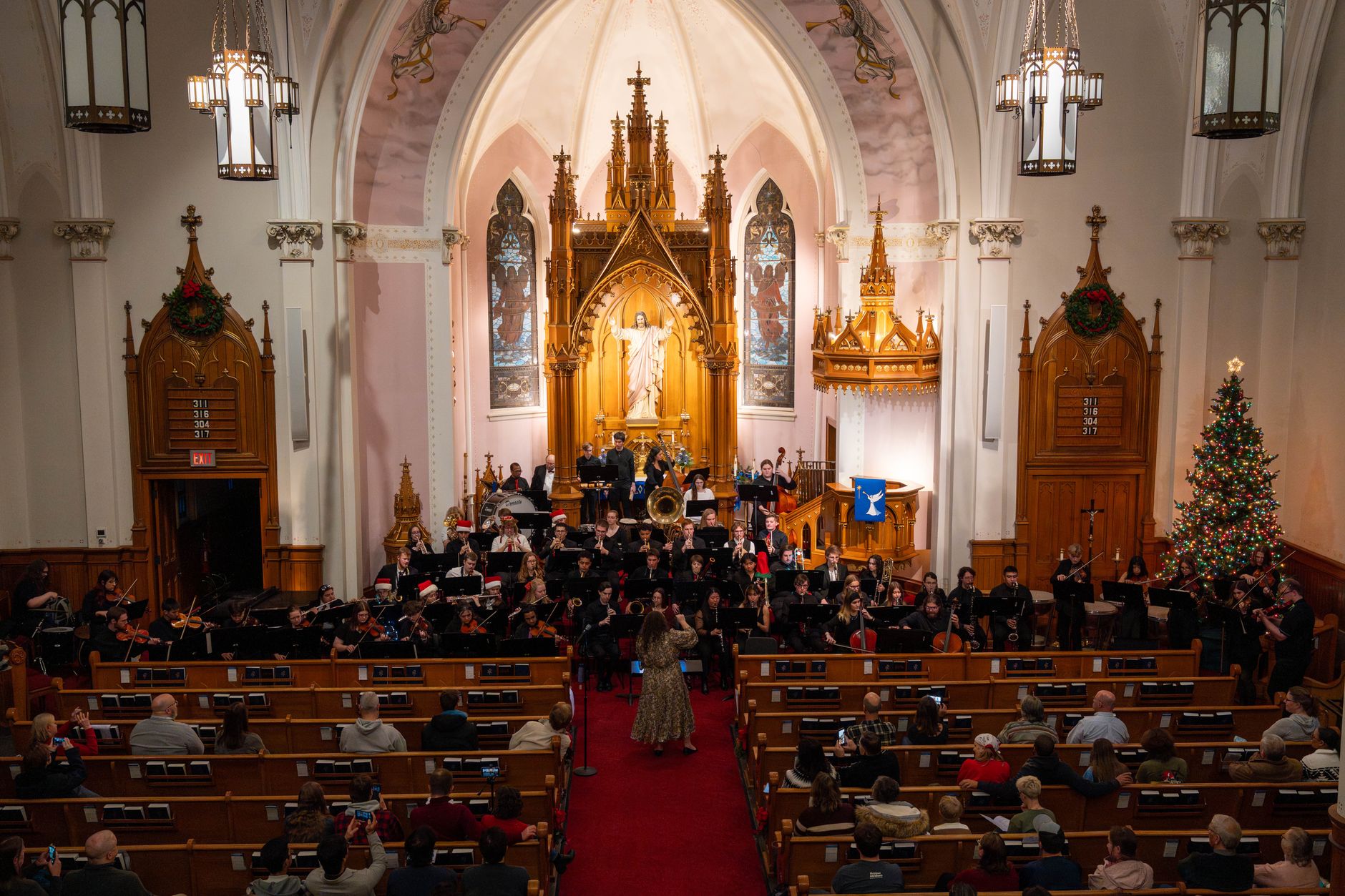
La Sala Concerti della Cattedrale di Smolny presenta regolarmente spettacoli durante tutto l'anno, specializzandosi in repertorio barocco e classico che completa le origini settecentesche dell'edificio. I programmi includono opere di Bach, Vivaldi, Handel e compositori russi tra cui Tchaikovsky e Rachmaninoff, eseguiti dalla Filarmonica da Camera di San Pietroburgo e da ensemble ospiti. Le proprietà acustiche della cattedrale esaltano la musica per archi e corale, richiedendo al contempo un attento bilanciamento del suono per opere orchestrali più ampie. I concerti iniziano tipicamente alle 19:00 o alle 20:00, durando 75-90 minuti senza intervallo.
I prezzi dei biglietti per le serie di concerti regolari variano da 800 rubli (€8) per i posti in navata posteriore a 2.500 rubli (€25) per i posti in prima fila vicino alla piattaforma dell'altare. Eventi speciali con solisti internazionali o orchestre complete richiedono prezzi premium fino a 4.000 rubli (€40). Il programma ufficiale dei concerti si aggiorna mensilmente con note dettagliate sul programma e biografie degli artisti. L'acustica naturale elimina l'amplificazione artificiale che rovina molti concerti in chiesa altrove, permettendo al timbro di ogni strumento di proiettarsi chiaramente attraverso la navata.
La sala concerti è aperta tutto l'anno con orari ridotti durante il Natale ortodosso (7 gennaio) e i periodi pasquali, quando i servizi religiosi hanno la precedenza. I festival estivi delle notti bianche a giugno presentano una programmazione estesa con spettacoli che iniziano anche alle 22:00 per sfruttare l'illuminazione ambientale del sole di mezzanotte attraverso le finestre della cattedrale. Questi eventi speciali spesso esauriscono i biglietti con settimane di anticipo, rendendo essenziale la prenotazione anticipata per i visitatori che pianificano viaggi a San Pietroburgo a giugno o luglio.
La fotografia e la registrazione video durante i concerti sono proibite per mantenere la qualità acustica e rispettare i diritti degli artisti, anche se la sede consente foto prima e dopo le esibizioni da aree designate. La sala concerti fornisce note di programma in russo e inglese, e il personale della biglietteria parla un inglese sufficiente per assistere i visitatori internazionali con la scelta dei posti e le domande sull'accessibilità. Arrivare 20 minuti prima dell'inizio dello spettacolo per consentire il controllo di sicurezza e il guardaroba, obbligatorio durante i mesi invernali quando le temperature scendono sotto i -10°C.
Pianificare la tua visita alla Cattedrale di Smolny: consigli pratici
Gli orari di apertura pubblicati per Smolny variano tra le fonti — alcune elencano la cattedrale aperta già dalle 08:00, altre dalle 10:00, con chiusura generalmente tra le 18:00 e le 20:00 — e il campanile ha i suoi orari, più brevi. Gli orari possono anche cambiare durante le festività ortodosse come Pasqua e Natale, quando i servizi religiosi hanno la priorità. A causa di questa variazione, controlla il sito ufficiale o chiama in anticipo il giorno in cui intendi visitare, e arriva ben prima dell'orario di chiusura indicato in modo da avere ancora tempo per la salita alla torre.
La salita alla piattaforma panoramica richiede un livello di forma fisica moderato a causa dei 277 gradini e delle strette scale a chiocciola nelle sezioni superiori della torre. I visitatori con limitazioni di mobilità possono accedere all'interno della cattedrale e ai giardini tramite ingressi con rampa, ma il campanile non dispone di ascensore. La piattaforma panoramica non ha servizi igienici, quindi usa quelli a livello del suolo vicino alla biglietteria prima di salire. La temperatura interna della torre è significativamente più fresca rispetto all'esterno: porta una giacca anche durante i mesi estivi, poiché le pareti in pietra mantengono temperature costanti e fresche.
La fotografia all'interno della cattedrale richiede un permesso di 200 rubli disponibile presso la biglietteria, mentre la fotografia esterna e dalla piattaforma panoramica è inclusa nell'ammissione. Treppiedi e attrezzature di illuminazione professionali necessitano di autorizzazione preventiva dall'ufficio amministrativo, tipicamente concessa per scopi accademici o giornalistici. La migliore luce naturale per la fotografia interna si verifica tra le 14:00 e le 16:00, quando il sole pomeridiano illumina l'iconostasi attraverso le finestre esposte a sud.
Combina la tua visita a Smolny con le attrazioni vicine per massimizzare il viaggio attraverso la Neva. Il Giardino di Tauride, a 15 minuti a piedi a sud-ovest, offre sentieri paesaggistici e un grande stagno popolare tra i locali. Il complesso monastico di Alexander Nevsky Lavra si trova a 2,5 chilometri a sud-est all'estremità di Nevsky Prospekt, accessibile tramite la stessa linea della metropolitana. Questo percorso crea un itinerario giornaliero logico: inizia alla Lavra di Alexander Nevsky al mattino, cammina o prendi la metropolitana per Smolny per l'accesso alla piattaforma panoramica a mezzogiorno e l'esplorazione della cattedrale nel pomeriggio, quindi torna agli hotel centrali tramite la metropolitana Chernyshevskaya entro sera.