Start with a private studio walk today to grasp how makers turn ideas into tangible works in the city’s spaces. Staff on site coordinate visits that mix mostly independent spaces with established venues, ensuring you see the core of today’s output.
The itinerary centers on blocks where 18th-century facades meet Soviet-era interiors, creating a vivid city narrative that blends memory with experimentation. Galleries and studios weave boundaries between disciplines, while spaces prove that art can breathe in small rooms and in large halls. Often, the program is adapted for seasonal commissions that retains a sense of place and allows visitors to think beyond conventional routes.
Many practitioners work solo or in intimate collectives, converting warehouses or salons into showing rooms. The approach is delicious in texture–carpets, wood, and metal speaking as much as the works themselves. Visitors can think of each stop as a set of recipes for sound, light, and texture.
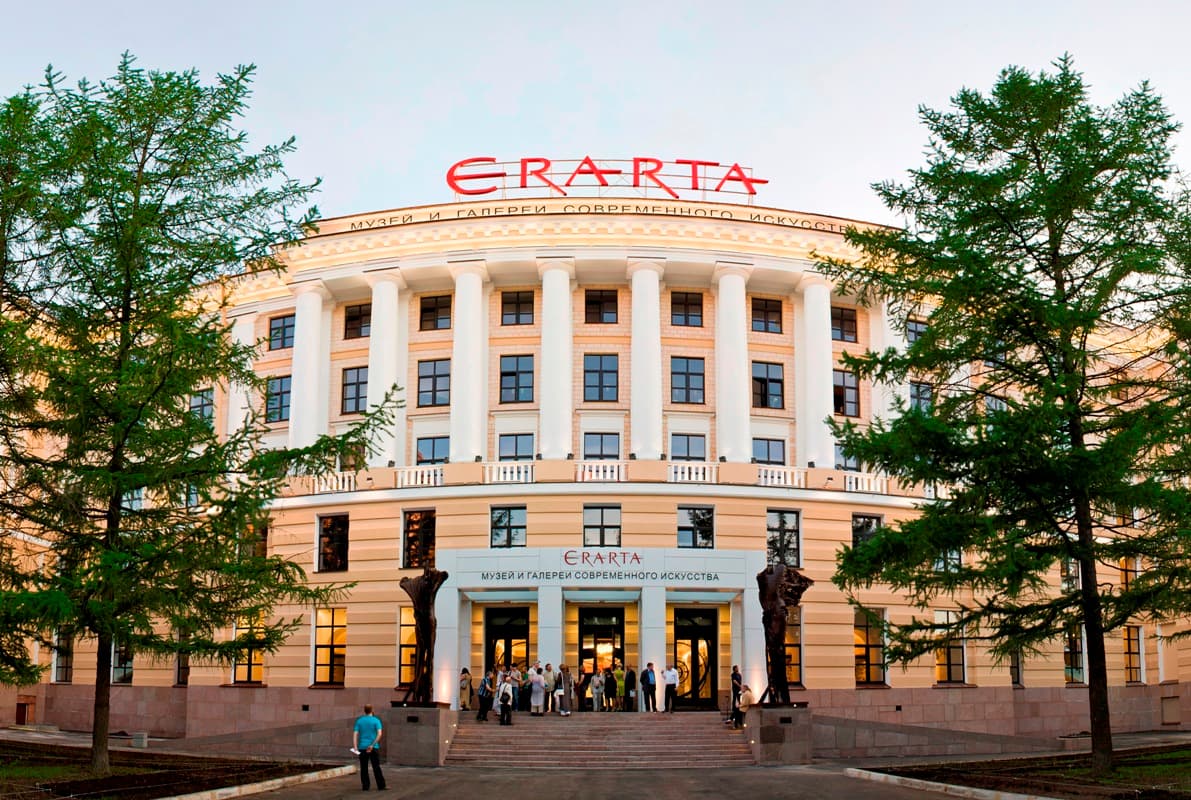
Key hubs like Erarta and a spectrum of independent spaces populate the country with creative activity; New Holland Island hosts pop-ups and experiments that benefit from water views and city light. For a practical plan, choose three to four venues per day, check opening hours, and arrange meetings with a curator or staff who can help you map routes that cover the current program and the spaces that reveal the season’s pulse. It will also guide you toward areas where the atmosphere feels most beautiful at dusk.
When moving between spaces, notice how attitudes toward risk remain collaborative, and the field balances inherited forms with new sounds and early experiments. Rooted in the country’s traditions, this activity welcomes home studios, collaborations, and public engagement that invite visitors to rethink what a city can host.
Exploring Navicula Artis and St. Petersburg's Dynamic Contemporary Landscape
Start with a precise plan: book a time on the official site for Navicula Artis and arrive by 11:30 to catch the morning light along the embankment, where several projects unfold and visitors gather.
Behind the entrance, maraeva guides a lineup that significantly blends visual sequences with sound; the approach is designed for easy comprehension by first-time visitors.
sergei stages conversations with guests, linking people and businessmen with creators; the figure of the curator remains a constant anchor for the city’s community.
Step by step, the program exposes research components: on-site recordings, interviews, and projects that remained flexible and responsive to what the room offers.
Time and quality go hand in hand: visitors encounter delicious visual moments, music, and reflections that make them rethink the city’s current creative economy.
Staff and organizers worked to ensure the route stays accessible and safe; the standard signage helps guests move between spaces.
Every visitor, every guest, and every businessman adds to the city life; the chance to engage grows with each edition.
The recipes for future projects emerge from talks with maraeva and sergei, and the essential aim is to blend research with accessible programs.
Viewing Navicula Artis: galleries, museums, and outdoor installations in the city
Start at manege for a concentrated sampler, then move to Erarta Museum for a broader scale, and finish with a riverside walk that threads outdoor Navicula Artis pieces through the urban fabric. This route helps you feel the context, before the October evenings soften, and invites every participant to engage with people and the process.
The city’s places include the Russian Museum and a cluster of independent spaces that form a spectrum of creators. Each venue consists of different forms and a politics of display, creating a context where past and present mingle. The bekitzer project offers an alternative channel, and helps people engage with everything from sculpture to video.
Outside spaces reveal a different rhythm: public squares, riverfront walkways, and former industrial courtyards host works that become part of daily life. In October the light and nights heighten the experience, delivering delicious, memorable moments for those who walk among the installations. The routes weave boundaries between formal venues and streets, between previous seasons and current presentations, and another path can reveal a more intimate take on the spectrum of Navicula Artis.
Practical tips: start early, check the previous schedules and upcoming openings on venue sites, and plan a route that includes both indoor and outdoor stops. Use the city’s walkable cores to visit each place on foot, then take a cafe pause–delicious pastries pair well with reflections on what you’ve seen. Before you go, prepare a simple map of places and be ready to adjust the route as new works appear, independently of a fixed timetable, and remember that every step helps you understand the past and the process behind Navicula Artis.
at the Bank of Russia rate on 24.10.2026 · powered by tutkakdoma
Residencies, partnerships, and collaborations: how artists engage with St. Petersburg's scene
Start with a concrete recommendation: Apply to residency programs that guarantee a curated path from conception to exhibit, with a dedicated curator and a published timeline; seek collaborations that place your pieces in venues along mokhovaya street in Petersburg, including sites near cathedrals and hermitages to reach people with a broad history context.
Most partnerships arise through established networks, so target programs that pair studios with institutions reflecting the city's long history, such as museums with 18th-century holdings and archives spanning the century; including mentors who can guide you toward a context that resonates with residents and visitors.
Collaborations extend beyond formal residencies: joint projects with gisich and other local partners often become platforms for exhibitions that travel among hermitages, along mokhovaya corridors, and public venues; these projects help creators move from an imaginary proposal to tangible work, with much feedback and support.
For a practical path, map out the intended work with a clear timeline for exhibit opportunities and a strategy to engage the cathedral and other cultural nodes; build a varied slate: different pieces, another concept, and homemade experiments that honor history and local pride–making the process delicious for audiences and curators alike.
Collecting Navicula Artis: pricing, authenticity, and where to acquire works
Begin with a clear budget and authentication plan. behind every Navicula Artis piece lies a documented provenance; the source should be requested in writing and cross-checked against the gallery’s records, the artist’s archive, and any accompanying catalog. also clarify display needs, storage space, and whether the work is intended for a regular part of a personal collection or a larger institutional space.
Pricing follows edition size, condition, and market interest. Small formats and prints often range from 300–900 USD; mid-sized works commonly fetch 1,200–4,000 USD; larger or rarer editions can move from 5,000–12,000 USD, with exceptional items in international markets touching 15,000 USD or more. through regular market data and internationally informed price lists, you’ll see similar bands across European and other reputable networks. includes shipment costs and insurance when negotiated; such factors significantly influence the final figure behind the sticker price.
Authenticity safeguards include certificates of authenticity, edition stamps, and matching catalog numbers; ask for both a physical label and a digital record. older pieces may show handmade presentation or genuine homemade framing–examine materials, signature placement, and any event labels (exhibited) that trace the work’s exhibition history. if a credential feels unclear, request a third-party appraisal or consult a trusted institution via an established initiative dedicated to Navicula Artis.
Where to acquire: primary channels are established galleries with long-standing relationships, artist-run programmes in the marina district, and space within curated events that showcase newer and older editions. while some opportunities surface in October during dedicated showcase weekends, many works appear through international platforms and European fairs that include detailed condition reports and provenance notes. such routes serve both private collectors and institutional buyers, with space for homemade frames or custom presentation where appropriate.
Care and collection-building
Regular visits to source spaces, behind a well-documented file, and an issued provenance trail help build solid collections apart from casual acquisitions. such practice includes creating a personal catalogue, tracking source notes (source) and update alerts through reputable initiatives; this approach supports a cohesive series that can be exhibited across private spaces or loaned to small and larger institutions.
Visitor-focused itineraries: a practical 2–3 day plan to experience the art
Begin with a focused two-day loop centered on danilevskaya and isaacs; this compact circuit will reveal work across spaces, with a neurotypical-friendly pace and an official guide leading groups through the heart and beyond the cathedral district. The route is adapted for different interests and can be explored within Petersburgs' cultural spaces.
Day 1 – Core loop and easy transitions
Morning: start at danilevskaya to view a compact set of paintings; note how the works dialog with surrounding spaces and the rhythm of the day.
Late morning: stroll to a nearby official venue cluster in the heart; explore different rooms that host visual programs and live performances.
Lunch: choose a cafe with a view of the cathedral façade, then compare how spaces frame perception and memory.
Afternoon: move to isaacs for a guided discussion; the visit is adapted for groups and can include Q&A on technique, medium, and context.
Evening: attend an intimate performances event in a compact gallery space; whether you prefer sound or image, the programs are designed to satisfy varied interests and alike expectations.
Tip: download a quick research brief from the guide before you arrive to plan a compact list of can’t-miss works.
Day 2 – Deepening discovery across Petersburgs
Morning: visit a second wave of spaces that sit within the cathedral zone and its periphery; look for paintings that show different approaches to light and texture.
Midday: join a short guide-led tour that emphasizes visual relationships between works and the architectural context.
Afternoon: participate in a workshop or talk hosted by a local institution; the research team often presents quick overviews of current trends and discovery prompts.
Late afternoon: explore spaces further; plan a flexible route so groups can split and reconvene, or stay together for a cohesive experience.
Evening: enjoy a casual evening at a venue in a Petersburgs neighborhood; capture visual impressions for a personal list of favorites.
Note: this day is designed for easy pacing and is suitable for diverse visitors, including neurotypical attendees seeking straightforward routes.
Day 3 (optional) – Adapted extensions and social angles
Morning: revisit a favorite space for a second view or a previous gallery note; use a concise list to compare early and late works.
Midday: join a casual guide-led stroll that highlights spaces with interactive components and performances in alternate rooms.
Afternoon: attend an informal workshop or talk that focuses on within the city’s cultural society and how audiences engage with new visual language.
Evening: wrap with a final discovery moment–collect your impressions, reference your research notes, and decide which stops to include on future visits.
Programs and education: workshops, talks, and studio visits for locals and visitors
Register for a guided studio walk through the city’s network of working spaces; both locals and visitors gain direct, hands-on insights into ongoing development.
This program blends part workshops, talks, and studio visits, created by major institutions in partnership with independent spaces.
To ensure accessibility, organizers provide language translation and inclusive seating for neurotypical participants and those with neurodiverse needs.
Sample routes center on the leningrad corridor around the Winter Palace, incorporating exhibits from museums, and ending with a curator-led talk.
Visitors can book ahead via the city portal or individual spaces; costs range from free to moderate, and many sessions offer materials as part of the experience, while some include delicious case studies in accompanying write-ups and feeds on youtube.
Accommodations are available through partner hotels; many offers include transit to the palace district, making overnight stays convenient for weekend routes in the current calendar.
New sessions are planned over the next quarter to align with festival calendars and cross-institution collaborations. Source updates are published through the city’s cultural registry; the following overview lists current projects and how to participate. This page provides a list of programs for participation.
The overview assists with part planning and helps you schedule visits around timed openings of exhibits and performances.