Cash, cards and exchange rates in Saint Petersburg work differently from what most visitors expect, and the gap usually costs money. This guide sticks to what the Bank of Russia, the card networks and Pulkovo airport publish themselves, so the first day in the city does not turn into guesswork.
Exchanging cash is a bank operation
In Russia, buying and selling foreign cash is a banking service. The Bank of Russia puts it plainly: you can buy foreign cash in banks, both at the counter and, where the technology allows, from ATMs; banks sell it subject to availability, and every transaction goes through the bank's own rate. Two conclusions follow. A booth outside a bank is not a legal exchange point, and a stranger offering a better rate on the street is running a scam. And availability is never guaranteed — a branch may have no dollars or euros on a given day, so large amounts are often ordered in advance by phone. Since 13 June 2024 individuals can no longer buy or sell dollars and euros on the exchange, the regulator notes, but they can still do it through Russian banks.
The round-the-clock option at the airport
Pulkovo lists cash currency exchange for private individuals among its financial services, operated by Bank Globus and open around the clock, with a note that technical breaks are possible. The service description places the desks on the third floor in the check-in hall, between counters 11–20 and 21–32 and between counters 33–44 and 45–56, plus one point on the first floor in the international arrivals baggage hall. ATMs run 24 hours: VTB on the first and third floors, Raiffeisenbank, Bank Saint Petersburg and Sberbank on the third. The airport does not publish rates or fees, so the numbers on the counter display and the ATM screen are the only ones that matter. Check the airport's service page before you fly, because locations and hours change.
Documents and thresholds
Identification thresholds come from anti-money-laundering law. According to the official parliamentary summary of the adopted law, identification is not carried out if the transaction does not exceed 15,000 roubles, or if an individual buys or sells foreign currency for up to 40,000 roubles. For exchanging banknotes of different denominations and replacing damaged notes, no passport is needed up to 40,000 roubles, and simplified identification applies between 40,000 and 100,000. One caveat from the same source: if a staff member has suspicions, they may still ask for a passport. In practice, bring the document — internal bank rules can be stricter than the law, and a photo on your phone does not count.
Why the bank rate is not the central bank rate
The official rate table itself says the Bank of Russia sets rates without any obligation to buy or sell those currencies at them. Rates are set daily by order, take effect on the following calendar day and hold until the next order; publication time is not regulated, though the information normally appears on the website before 18:00 Moscow time. The regulator also states that it does not regulate the use of official rates or define where they must be applied. So compare branches with each other rather than comparing a counter rate with the official one.
Cards issued abroad, and what works instead
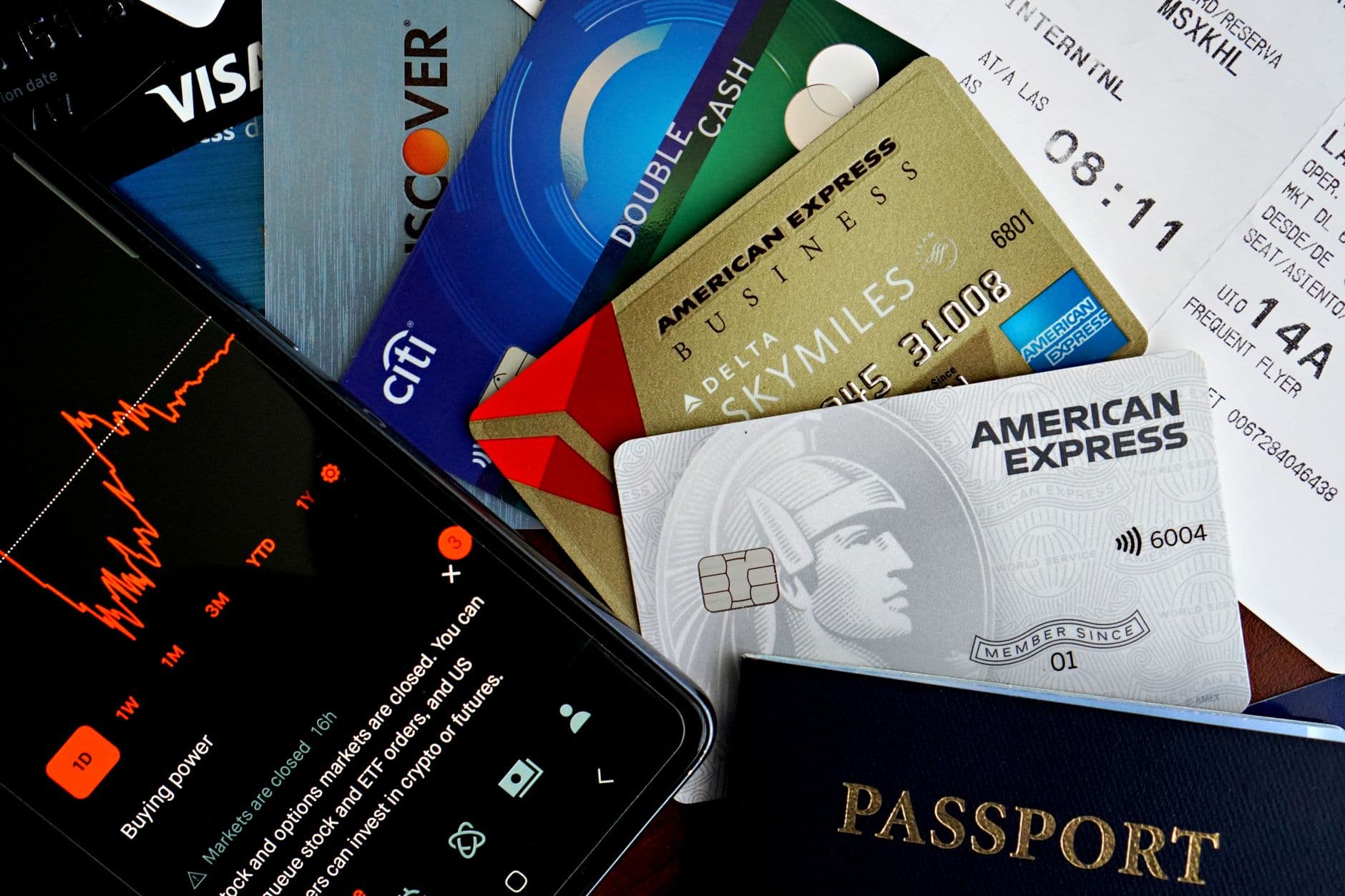
Visa announced in March 2022 that any Visa card issued by financial institutions outside Russia would no longer work within the Russian Federation; Mastercard stated that any Mastercard issued outside the country would not work at Russian merchants or ATMs. The Bank of Russia confirms the mirror image: cards issued by Russian banks keep working inside the country because transactions are processed domestically, while cross-border operations are unavailable, and Apple Pay and Google Pay stopped working in March 2022. What does work is the national Mir card — accepted in every ATM able to take payment cards, and mandatory for merchants with annual revenue of 20 million roubles or more — along with the Faster Payments System, which handles payments by QR code, NFC, button, link and linked account. Mir also pays metro fares in seven cities, Saint Petersburg included.
ATMs, fees and where cash still matters
ATMs sit in branches, malls, railway stations, metro vestibules and the airport. Your own bank's machines are usually free; a third-party ATM must show its fee on screen before you confirm, so read that screen. Station machines tend to dispense large notes — break them at a supermarket, not at a small coffee bar. The city is close to cashless, but markets, park kiosks, small churches and tips still want paper roubles, so keep a day's worth of small notes and split them between wallet, bag and hotel room.
Safety
Change money only at a bank counter. The Bank of Russia publishes authenticity features for every banknote denomination — watermark and security thread seen against the light, microprint under a loupe, and elements that shift with the viewing angle. A damaged note can be exchanged at any bank that handles cash, and acceptance, examination and reimbursement are free of charge; if an examination finds signs of counterfeiting, the note goes to the police. The regulator has also warned about phone fraud: callers posing as bank staff who claim a shortage of cash and push you to move money to a "special account", or who offer, for a fee, to arrange a foreign Visa or Mastercard for use abroad. The advice is short — never share personal or financial data.
Photo: Александровы АГ / Wikimedia Commons, CC BY-SA 4.0