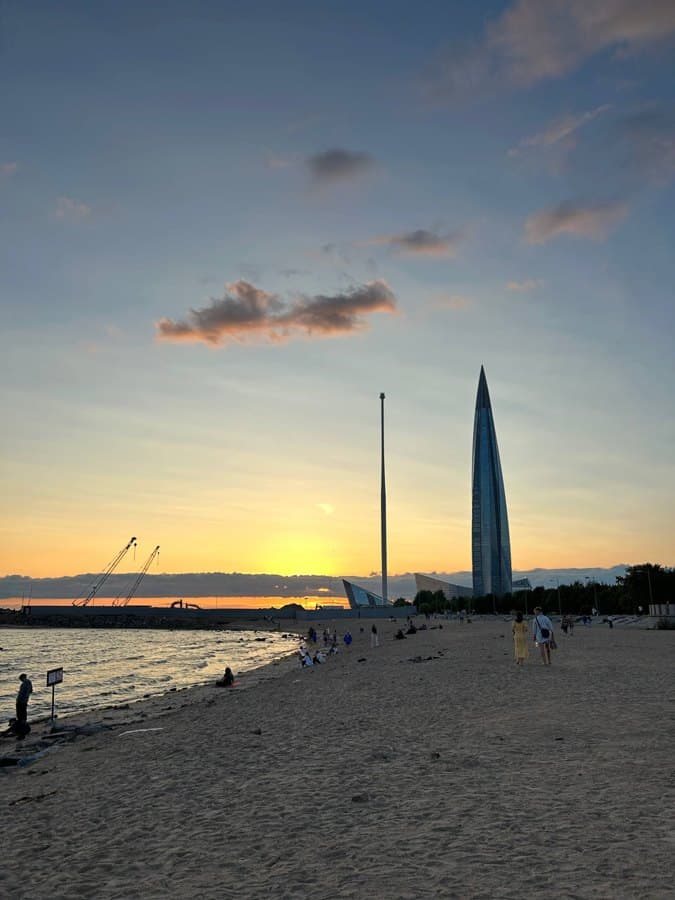

Yes, you can go up. The Lakhta Center observation deck is open to visitors, it sits at 365 metres between the 83rd and 86th floors, and tickets start at 1,000 roubles. It is the highest observation deck in Europe, in the tallest building in Europe, in the northernmost skyscraper in the world. Here is what the visit actually involves, what you see from the top, and what else is worth your time in the complex once you are out there.
The building
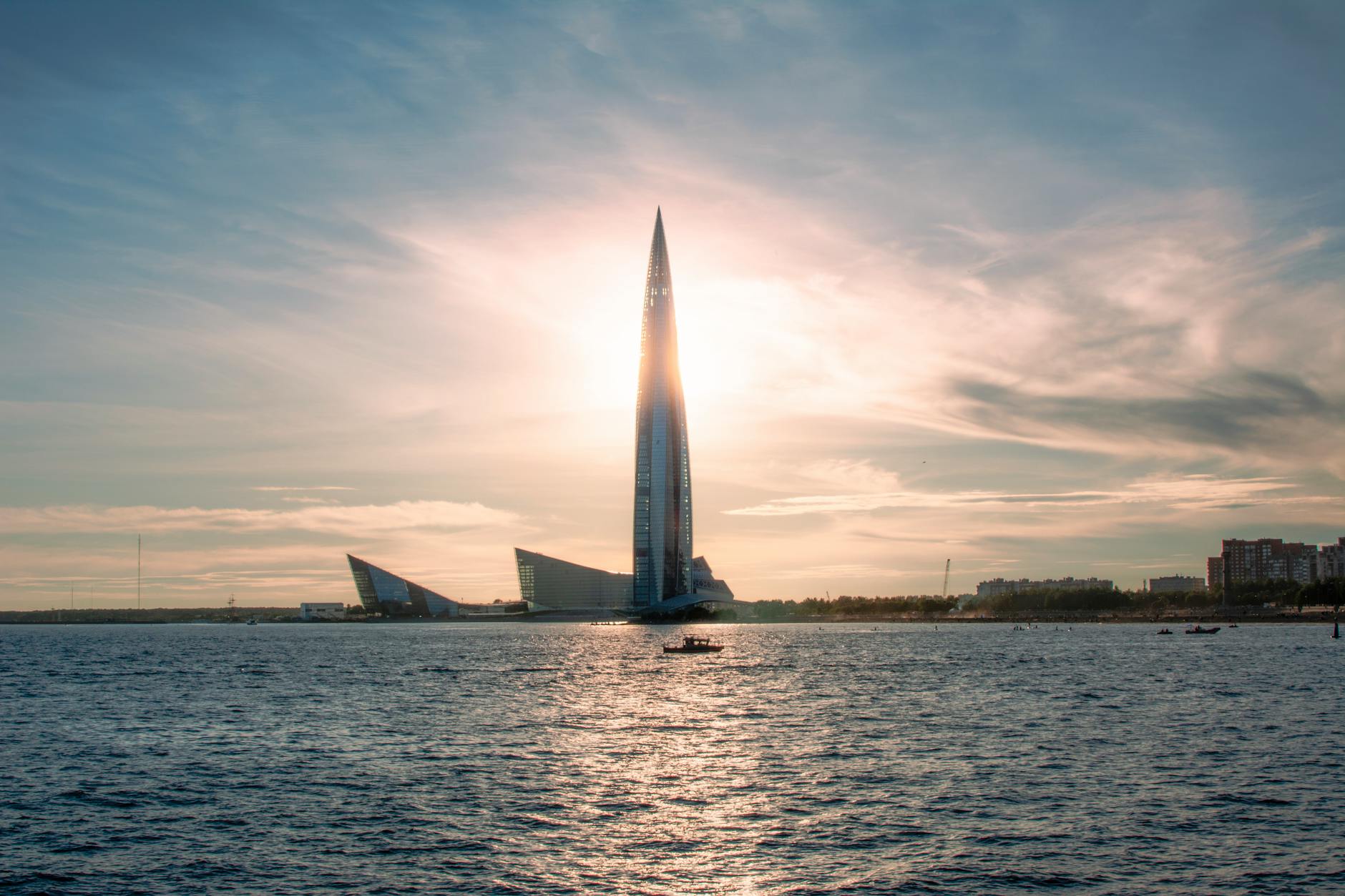
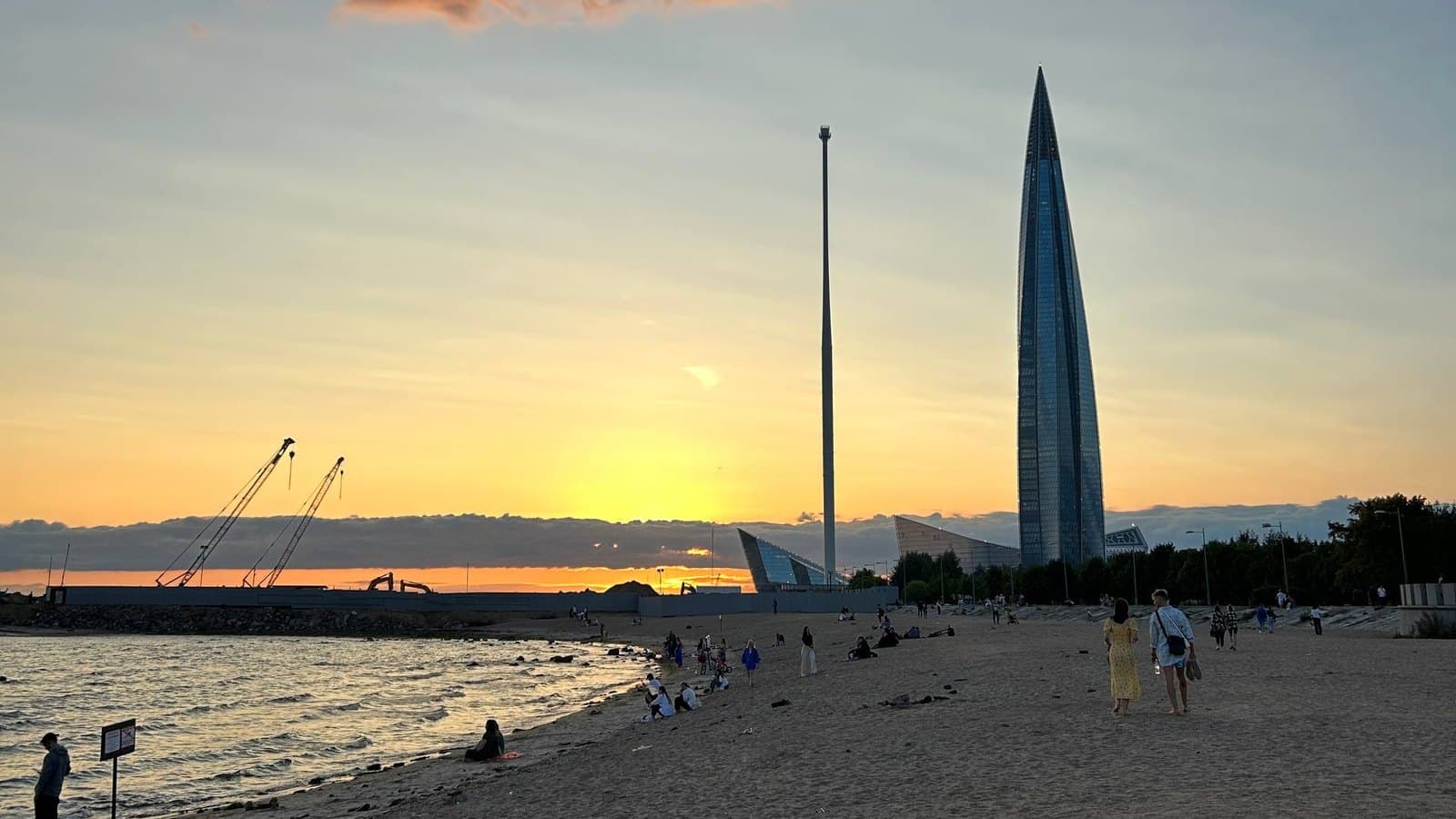
The tower stands at 462 metres on the Gulf of Finland shore at Lakhta, deliberately outside the historic centre — the site was chosen after an earlier plan to build near the Okhta river mouth was abandoned under pressure over the protected skyline.
The form is a twisted spire: the floor plates rotate as they rise, so the profile changes depending on where in the city you see it from. It is the headquarters of Gazprom, and the office floors are not part of the visit.
The observation deck: what to expect
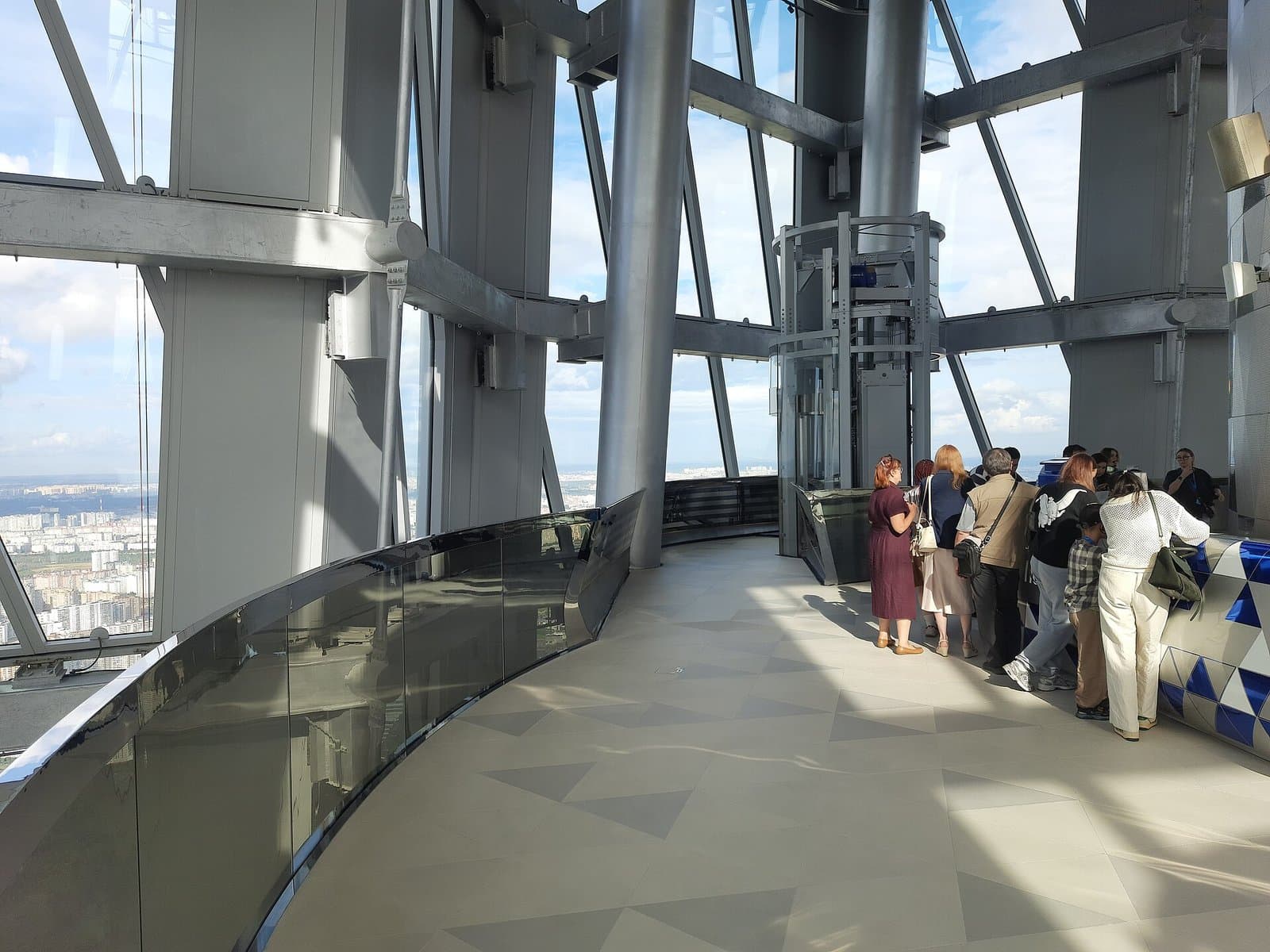
- Height: 365 metres, spread across floors 83 to 86.
- Getting up: a high-speed shuttle lift does it in a little over a minute, arriving into a multi-storey atrium with panoramic lifts running between levels.
- Tickets: from 1,000 roubles, sold as timed tours.
- Entrance: Entrance 13 of the tower. Your ticket carries a map to it.
- Timing: arrive fifteen minutes before your slot. You will not be let into the building more than fifteen minutes ahead of it.
Because entry is by timed slot rather than open admission, this is not a place you drop into. Book first, then plan the rest of the day around the slot.
What you can actually see from up there
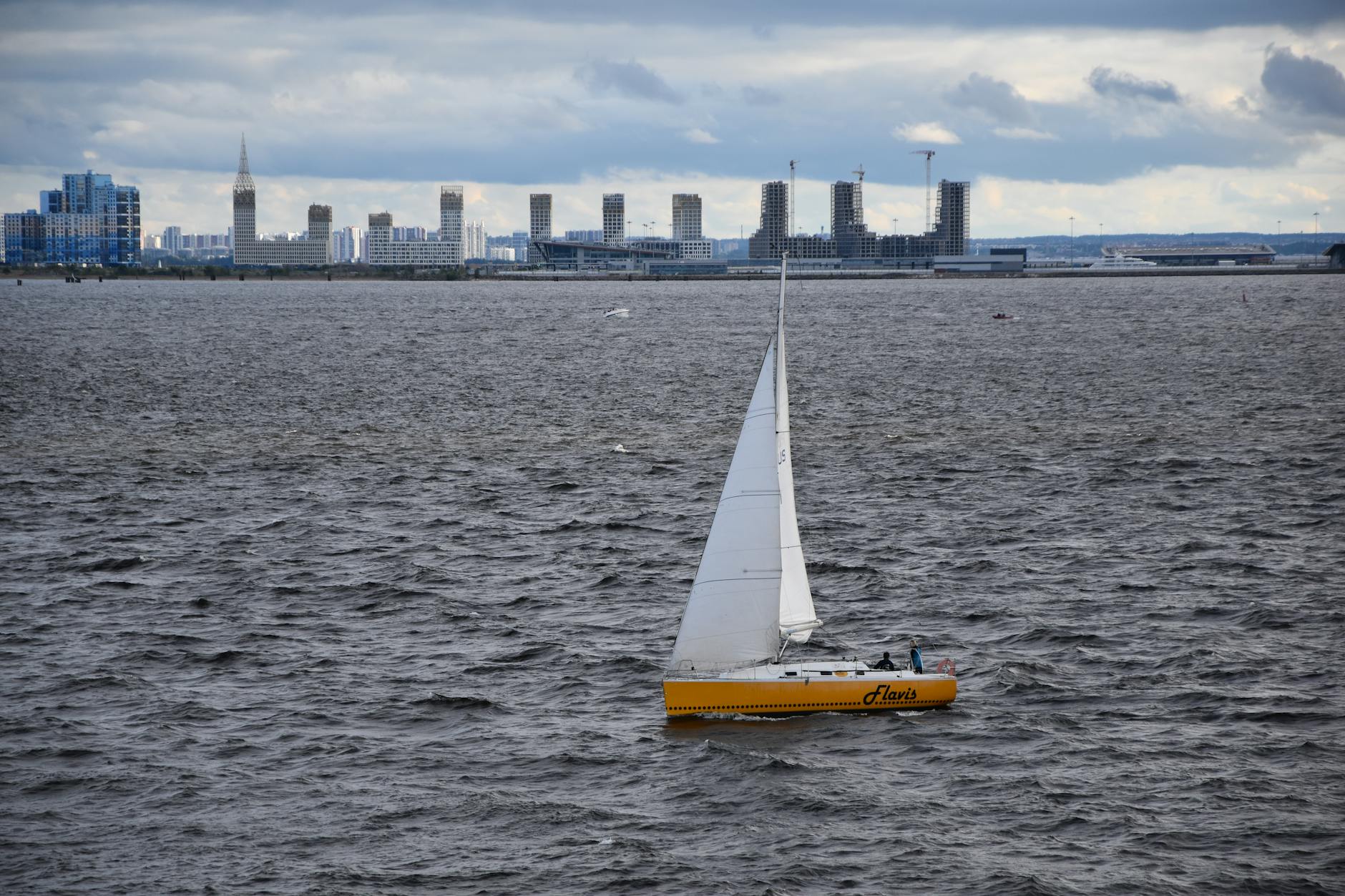
The view is 360 degrees, and it is worth knowing in advance that it is not a view of the historic centre. Lakhta is well to the north-west, so the palaces and cathedrals are a distant band on the horizon rather than the subject.
What you get instead: the Gulf of Finland opening westward, the Yuntolovsky nature reserve and the Lakhtinsky Razliv lagoon below, the Marine Facade and its cruise terminal, the Gazprom Arena stadium on Krestovsky Island, and the cable-stayed bridge of the western express road cutting across the water.
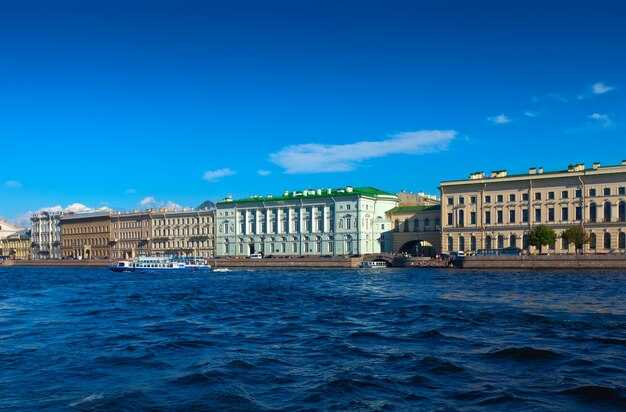
On a clear day the historic skyline is visible in the distance, which is the honest answer to the most common question about this deck: you can see the centre, but you are looking at it from several kilometres out, not standing above it.
The rest of the complex
The tower is not the only thing at Lakhta, and the other spaces are what make the trip worth it if the weather turns and the view goes grey.
- The Planetarium — a mirrored sphere set into the facade of the atrium, with a 90-seat hall inside. It combines a star projector with digital and laser projection and astronomical simulation software, and the seating transforms for different formats.
- The Atrium — the glazed public volume at the base, with the panoramic lifts.
- The amphitheatre and embankments — landscaped public space along the water, free to walk, and the best place to photograph the tower itself. You cannot get a sense of the scale from inside it.