The kommunalka — the communal apartment — is St Petersburg's most characteristic form of housing: a city of grand tenement houses was the first to be "densified" after the revolution, and it is still un-densifying today, slower than anywhere else. Behind the ceremonial facades of the centre hide apartments of five, ten, even twenty rooms with one shared kitchen — not a museum relic but the living daily arrangement of thousands of residents. Here's where kommunalkas came from, what a real one looks like — and whether a visitor can see one from the inside without crossing anyone's boundaries.
Where they came from
Before the revolution, central St Petersburg was built up with income houses: wealthy families rented enormous ten-to-fifteen-room apartments — with studies, servants' quarters and enfilades of connecting rooms. After 1917 these apartments were "densified": one family per room, kitchen and bathroom shared by all. Thus was born the genre in which half the city grew up — along with a good half of Petersburg literature and cinema.
What a real one looks like
- the corridor — long and half-dark, the ghost of a former enfilade; bicycles, skis and wardrobes of every era lined along the walls;
- the kitchen — the main shared space: several stoves and tables, one per family, a cleaning rota pinned to the wall;
- the tell-tale details: several doorbells at the entrance (one per family), electricity meters in a row, moulded ceilings above exposed wiring;
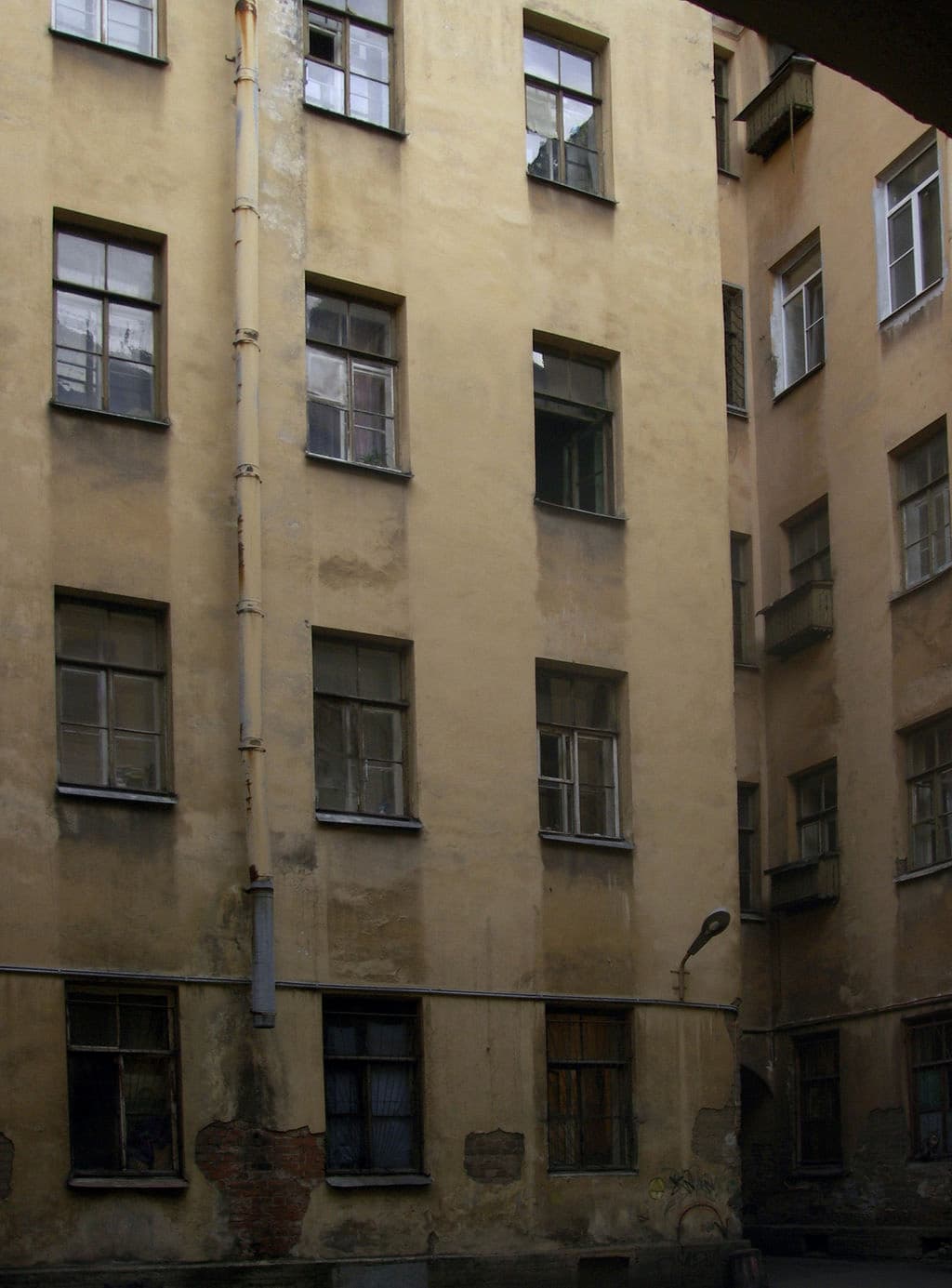
- and the height: four-metre ceilings and palace-proportioned windows remind you what kind of life all this was built for.
Can you get inside?
- guided walks through stairwells and communal flats exist — local guides run routes where the visit is agreed with residents. This is the only correct way to see the genre from within: people live there, and the agreement is part of the route;
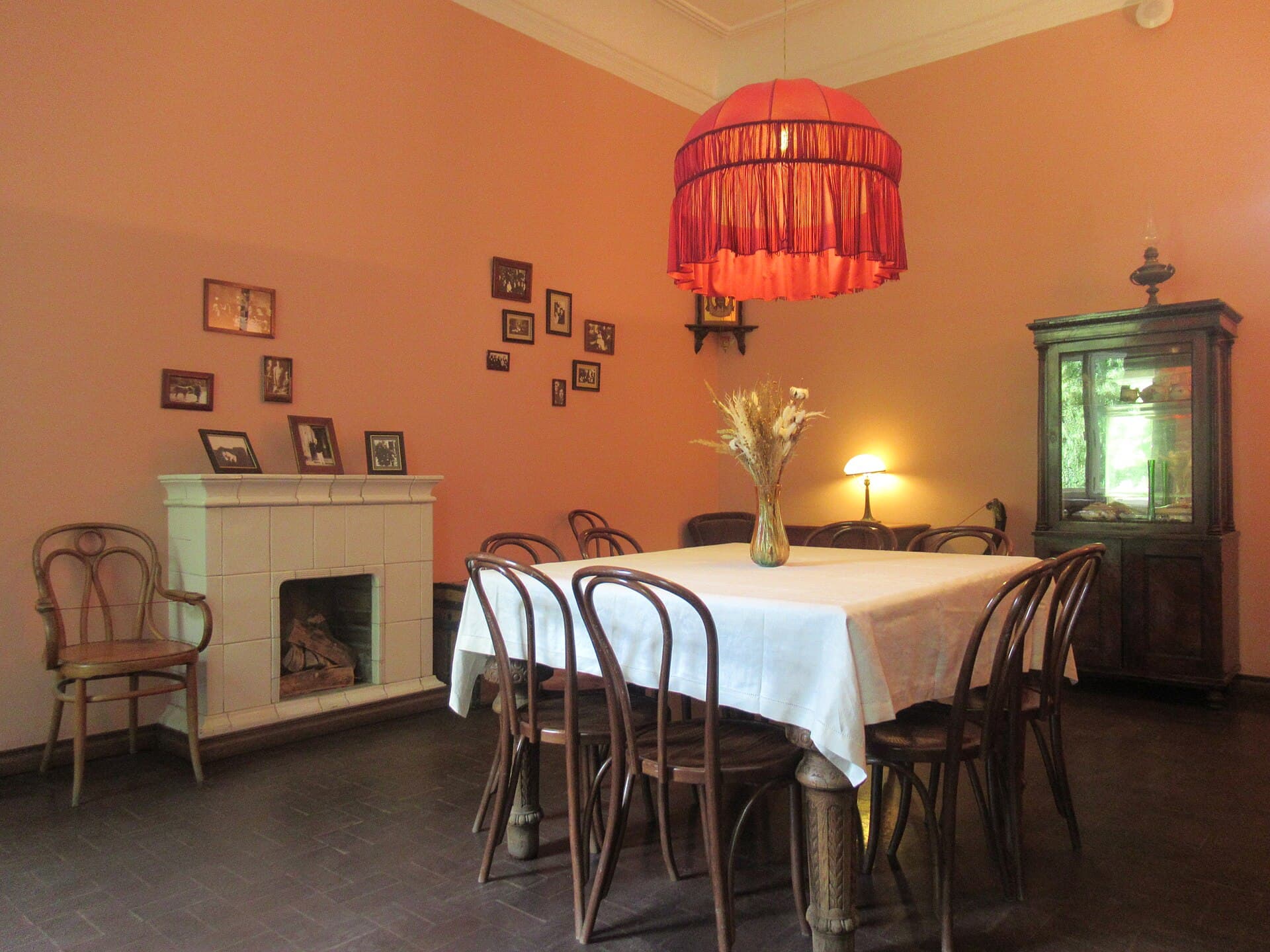
- the museum format — the city's museum exhibitions recreate communal Leningrad life; a calm alternative that intrudes on no one;
- films and books before the trip tune your eye — afterwards you'll start seeing kommunalkas through the facades on your own;
- what you must not do: slip into stairwells behind residents or ring doorbells "just to look". It's someone's home — one rule, and it's exhaustive.
Feeling the genre from the street
Start around Five Corners, Vladimirsky Prospekt and the lines of Vasilyevsky Island: count the doorbells by the doors, study the windows of former enfilades, peek into open courtyards. The courtyards deserve their own chapter — the famous well-like courtyards of St Petersburg are the outer face of the same world, and much easier to visit.
The kommunalka is not an attraction but the living fabric of the city — and that is its power: here St Petersburg isn't performing. Look with respect, and the city will show you more than any museum.