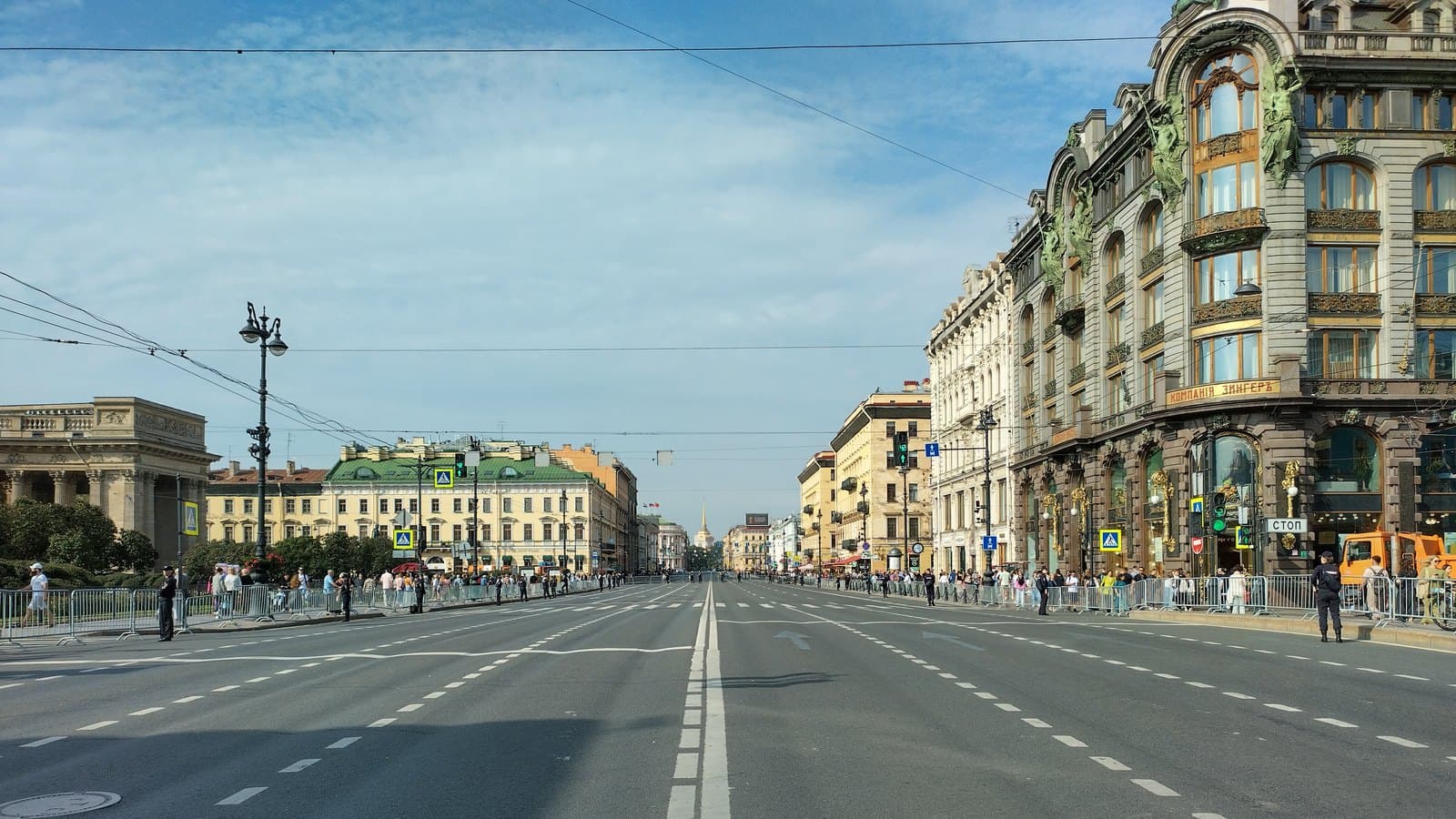
The Raznochinny Petersburg Memorial Museum, a small city museum in the Semyontsy neighbourhood, is running two free guided tours of its new exhibition «Petersburg Booksellers» («Петербургские книжники»): on 9 October at 15:30 and on 11 October at 16:00. The occasion is the All-Russian Day of Reading. Places are limited and you need to book by phone in advance.
The tours are in Russian. Even without the language, the exhibition is a compact look at how St Petersburg became the publishing capital of the Russian Empire, in a quiet district most visitors never reach.
What kind of museum is this
The museum tells the story of the «non-ceremonial» city. Raznochintsy were people outside the strict categories of hereditary nobility or wealthy merchants: clerks, retired soldiers, workers, students. They lived far from Nevsky Prospekt, in areas like Semyontsy, the former regimental quarter around Semyonovsky parade ground.
The museum dates back to 1924 and a memorial address on Bolshoy Kazachy Lane, where Vladimir Ulyanov (Lenin) rented a room in 1894–1895. It took its current name in 2006. Permanent displays include:
- «Around Semyonovsky Parade Ground», a local history of the district;
- the Agte family room, everyday objects of a Leningrad family who lived through the siege;
- Ulyanov's memorial flat and a documentary display about his St Petersburg years.
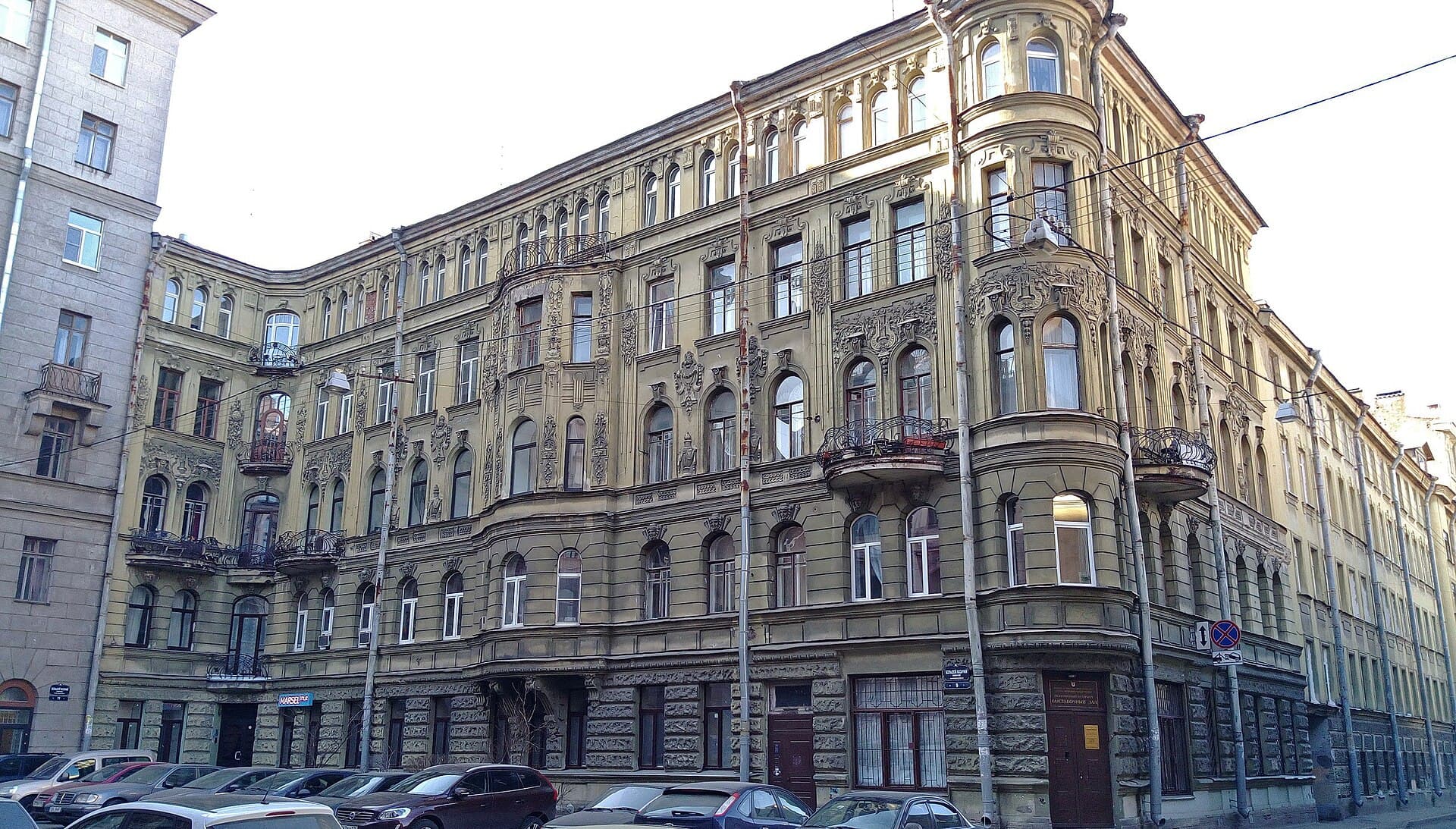
There are two addresses: the main displays are at Bolshoy Kazachy Lane 7, the exhibition hall is at number 9. «Petersburg Booksellers» is in the hall at number 9. Nearest metro stations: Pushkinskaya and Zvenigorodskaya.
What is on show
The exhibition opened on 28 September and covers the publishing boom that began in the 1860s. Highlights from the museum's own collection:
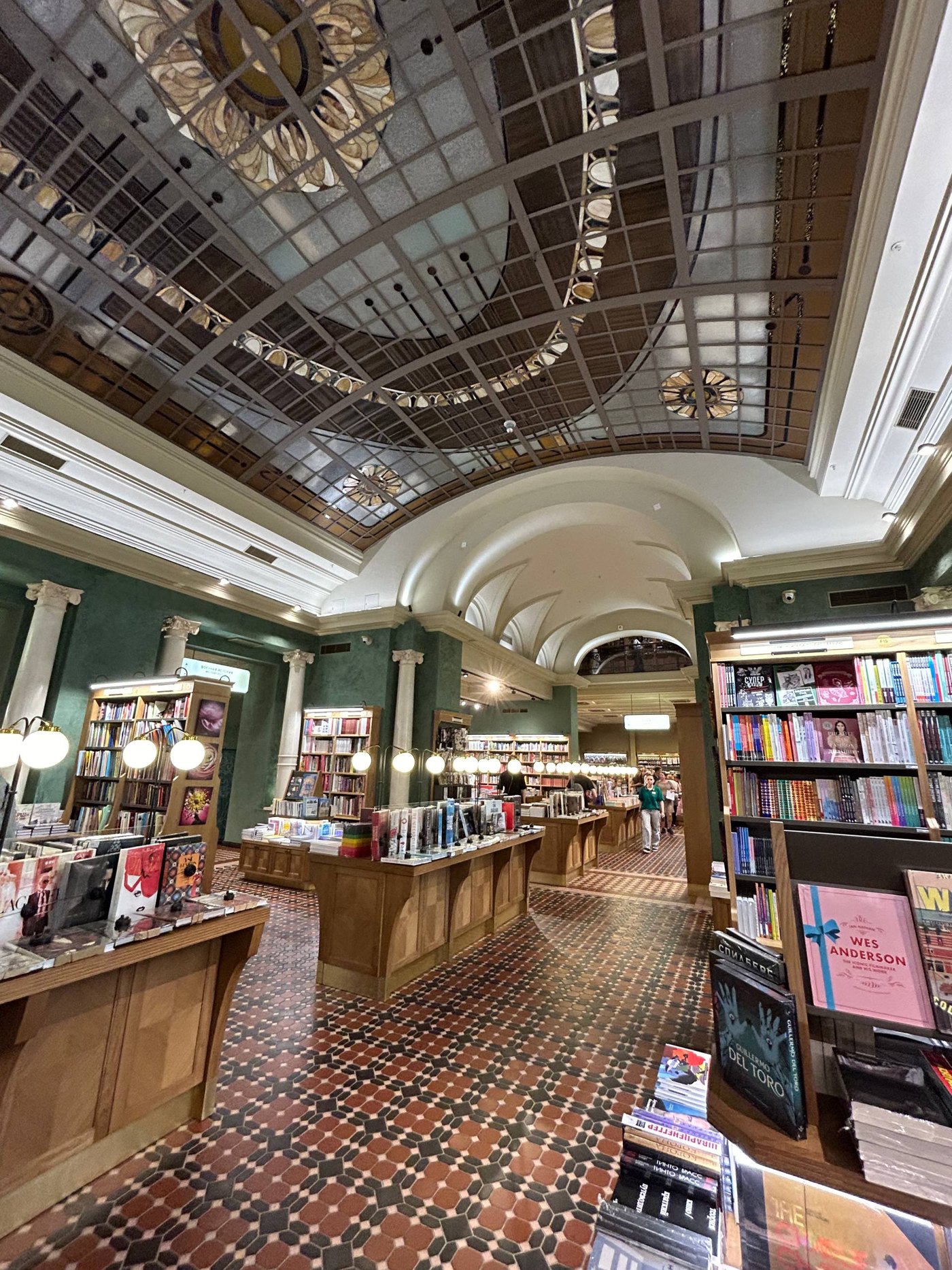
- «Ves Peterburg» and «Vsya Moskva» city directories published by Alexei Suvorin;
- books from Suvorin's «Cheap Library» series, which Chekhov was proud to be part of;
- a volume of Mauritius Wolff's «Picturesque Russia», considered the most expensive edition in the history of the Russian Empire;
- Adolf Marx's magazine «Niva», which sent subscribers collected works of Russian writers;
- printing types, engraving blocks and pre-revolutionary school textbooks.
The guide also explains why publishers deliberately printed a wrong address for their own print shop.