The Naval Museum is one of the oldest in Russia: its collection began with the Model Chamber that Peter the Great set up in 1709 to keep ship drawings and models. For over a century the museum sat in the Stock Exchange on the Spit of Vasilyevsky Island; in 2013 it moved to the Kryukov Barracks on Truda Square, a restored nineteenth-century building by the Blagoveshchensky Bridge. It is now a large modern museum whose star exhibit is the little boat from which, legend says, the Russian navy began.
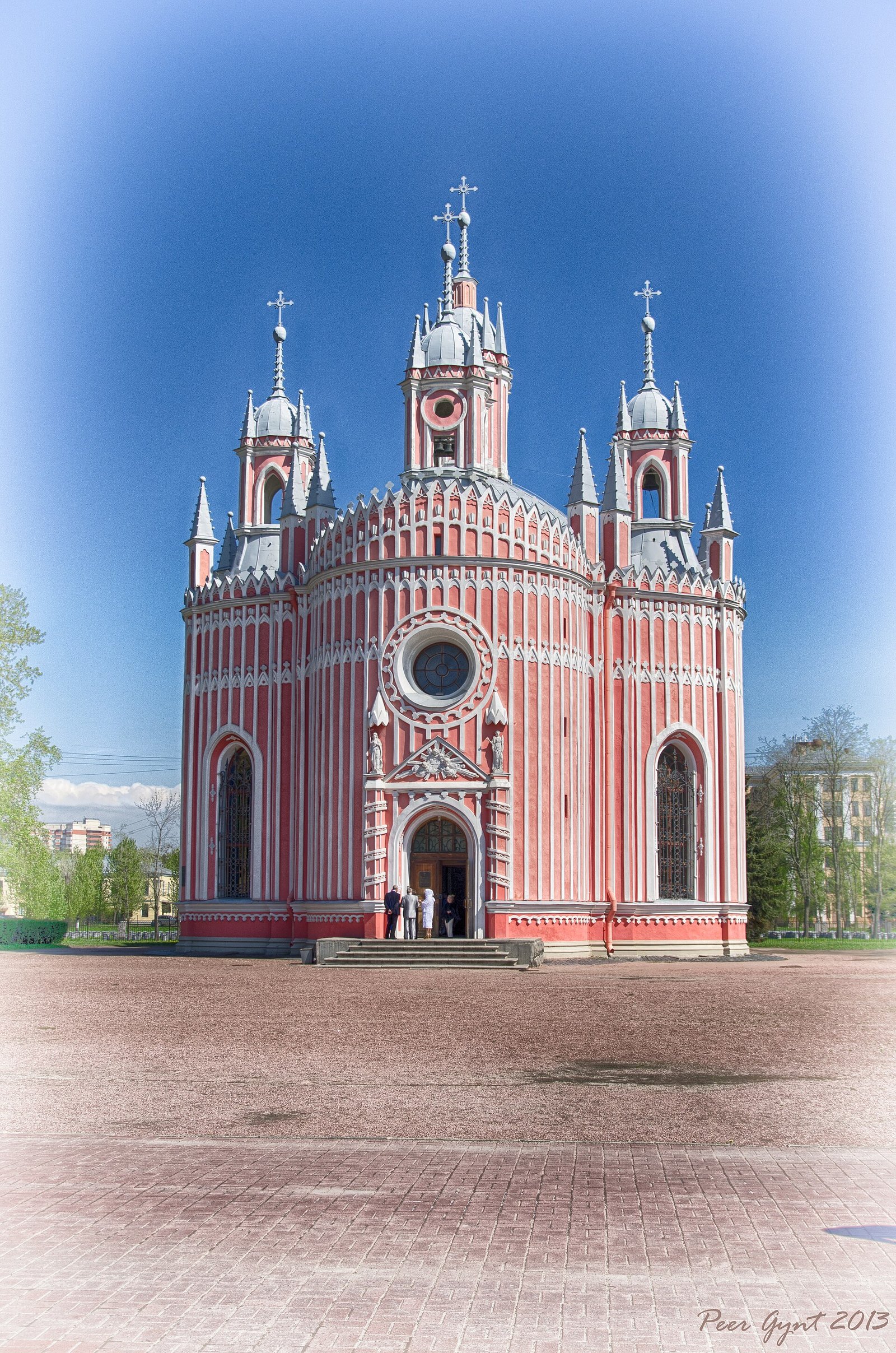
The Kryukov Barracks, the museum's home since 2013. Photo: Wikimedia Commons
The Kryukov Barracks
The building housed the Guards Naval Crew and was built in the 1840s along the Kryukov Canal. During conversion the inner courtyard was roofed in glass, creating an atrium for the largest exhibits; according to the museum, the display area grew several times over compared with the Exchange.
Peter's boat
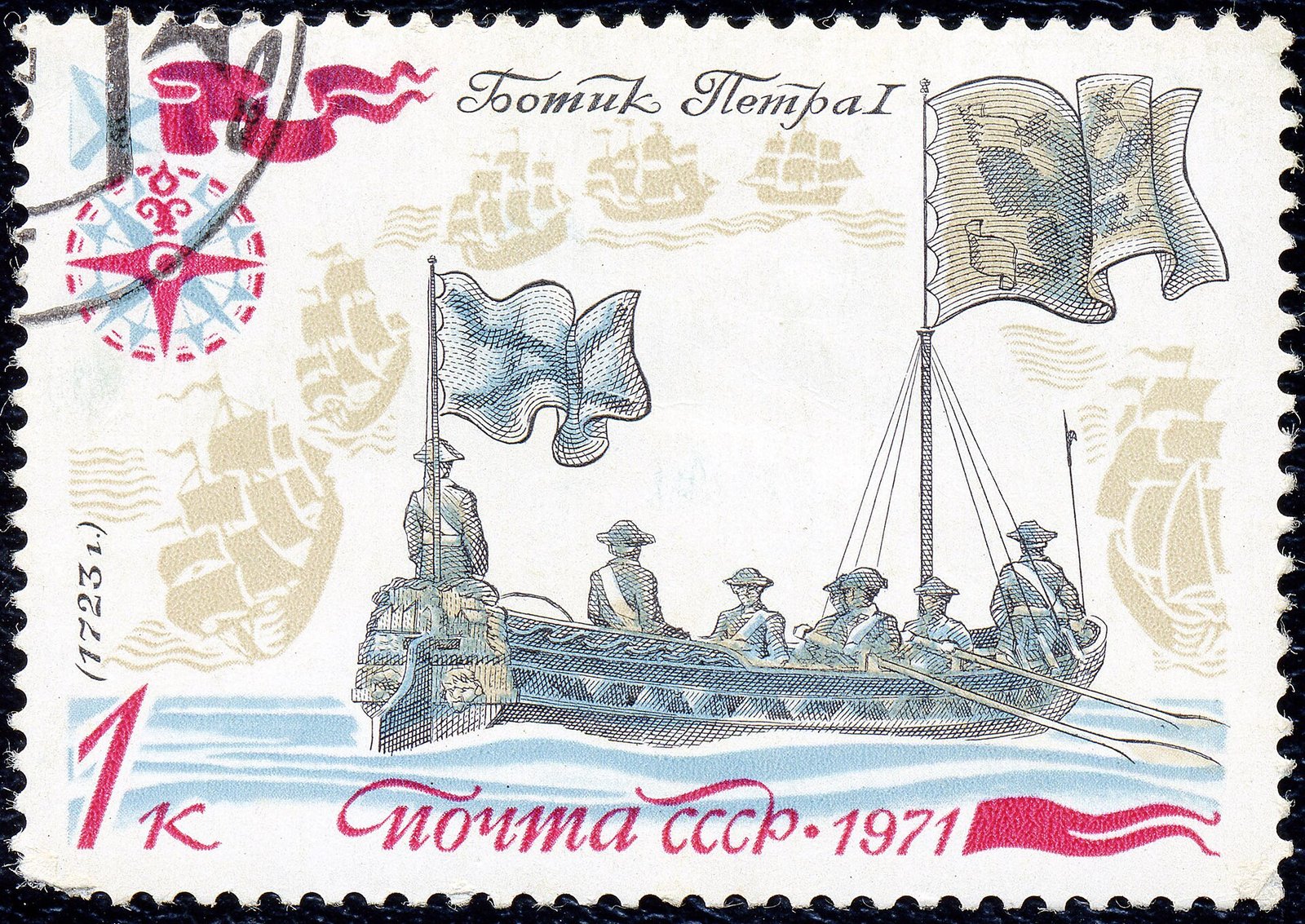
The central hall is built around the boat of Peter the Great — the small English vessel on which the young tsar learned to sail on the Yauza and Lake Pleshcheyevo, and which he himself called the "grandfather of the Russian fleet". It was kept in the Kremlin, then in the Peter and Paul Fortress, and has been in the museum since the nineteenth century. It is a genuine seventeenth-century object, and every route leads to it.
The boat of Peter the Great. Photo: Wikimedia Commons
Models: from galleys to nuclear submarines
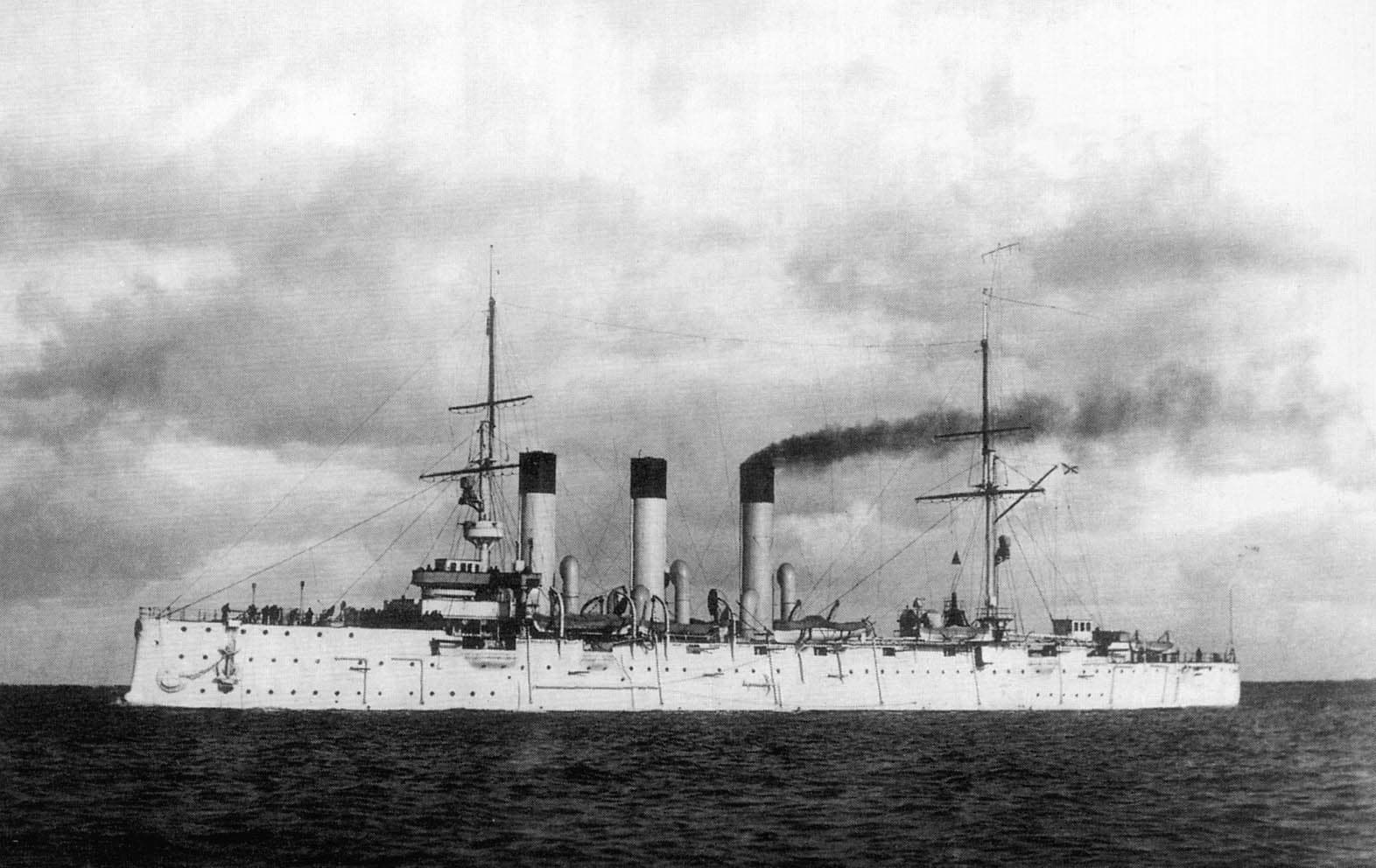
The museum's great wealth is its ship models — several thousand, many built at the shipyards alongside the real vessels as design models. The halls run chronologically: galleys of Peter's time, eighteenth-century ships of the line, ironclads, cruisers of the Russo-Japanese and First World Wars, submarines and nuclear boats of the twentieth century. The models are large and detailed, with rigging, guns and crew figures.
Models of eighteenth-century sailing ships. Photo: Wikimedia Commons
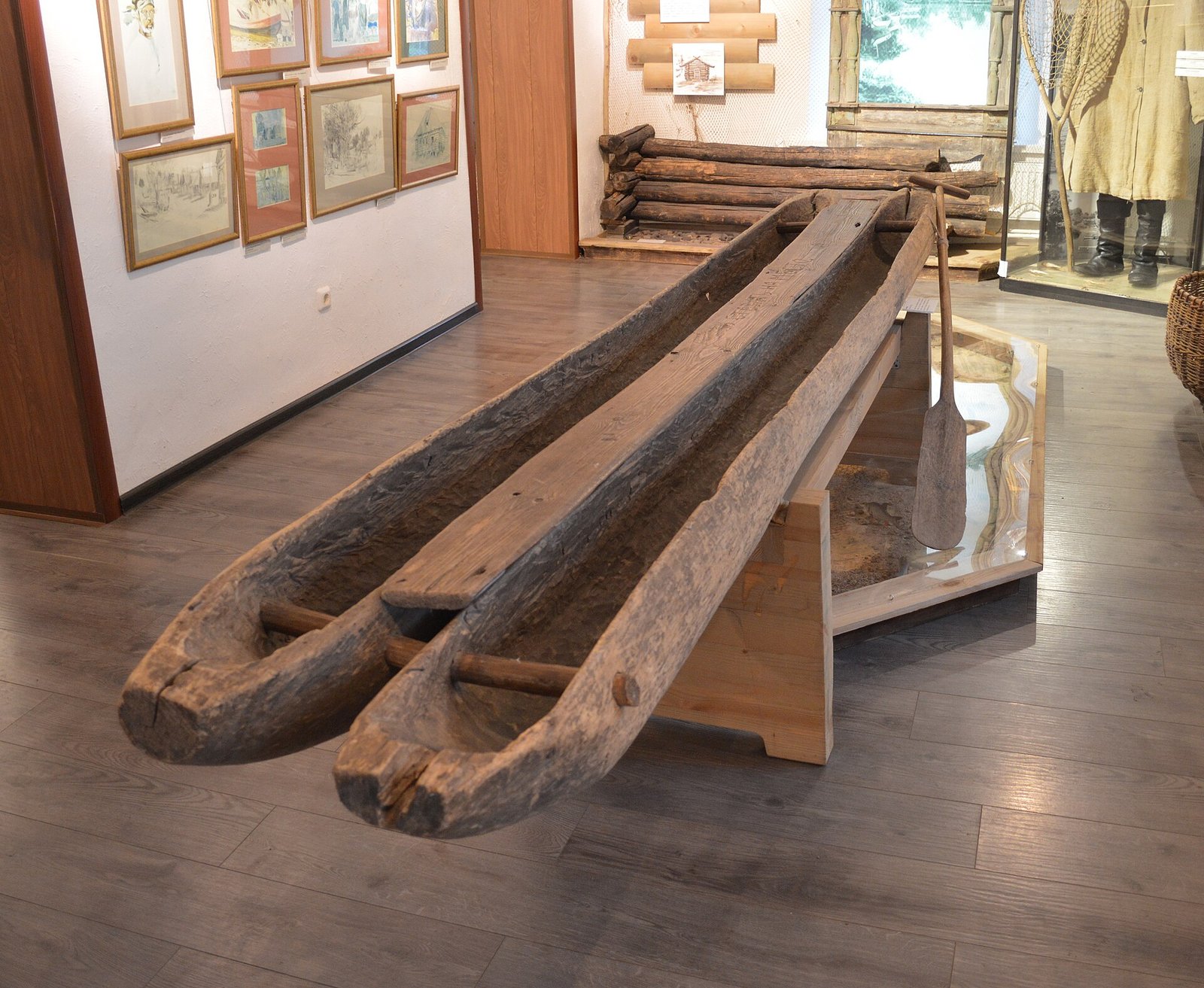
The twentieth-century halls, from ironclads to submarines. Photo: Wikimedia Commons
Submersibles and flags
The atrium and side halls hold real hardware: midget submarines, torpedoes, naval guns, deep-sea craft. A separate display of flags and standards includes genuine eighteenth-century examples, and a hall on the Great Patriotic War covers the Baltic Fleet and the siege of Leningrad.
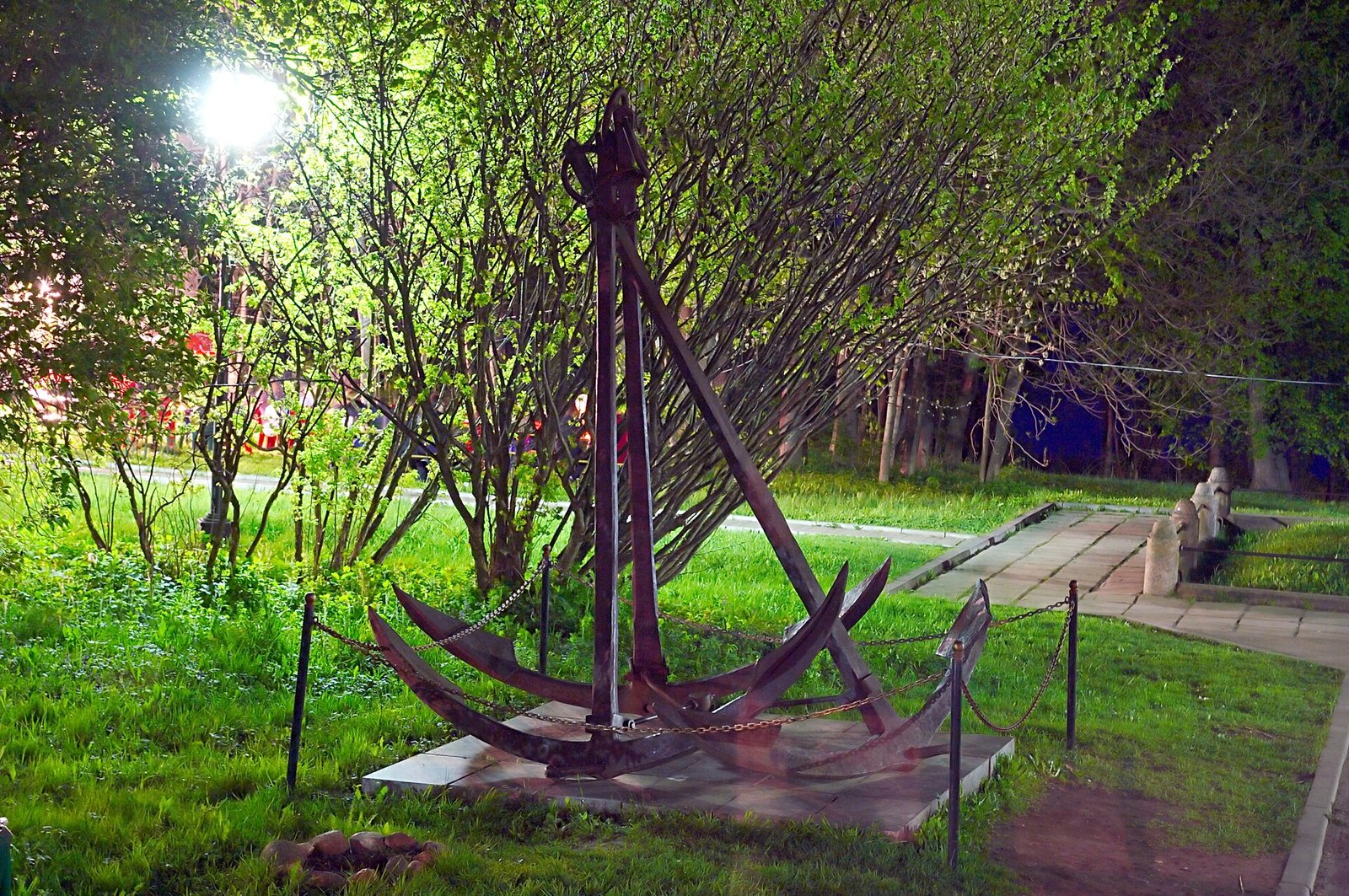
Real hardware in the atrium. Photo: Wikimedia Commons