What makes the Summer Garden a must-see landmark in Saint Petersburg?

The Summer Garden stands as Russia's oldest public park, established by Peter the Great in 1704 along the Neva River embankment. This 11.7-hectare green oasis showcases 92 original Italian marble statues from the 17th and 18th centuries, intricate wrought-iron fencing, and symmetrical alleys that reflect the Tsar's vision of a European-style retreat. The garden combines baroque landscaping with neoclassical elements, making it a living museum of imperial Russian taste.

What makes the Summer Garden a must-see landmark in Saint Petersburg?

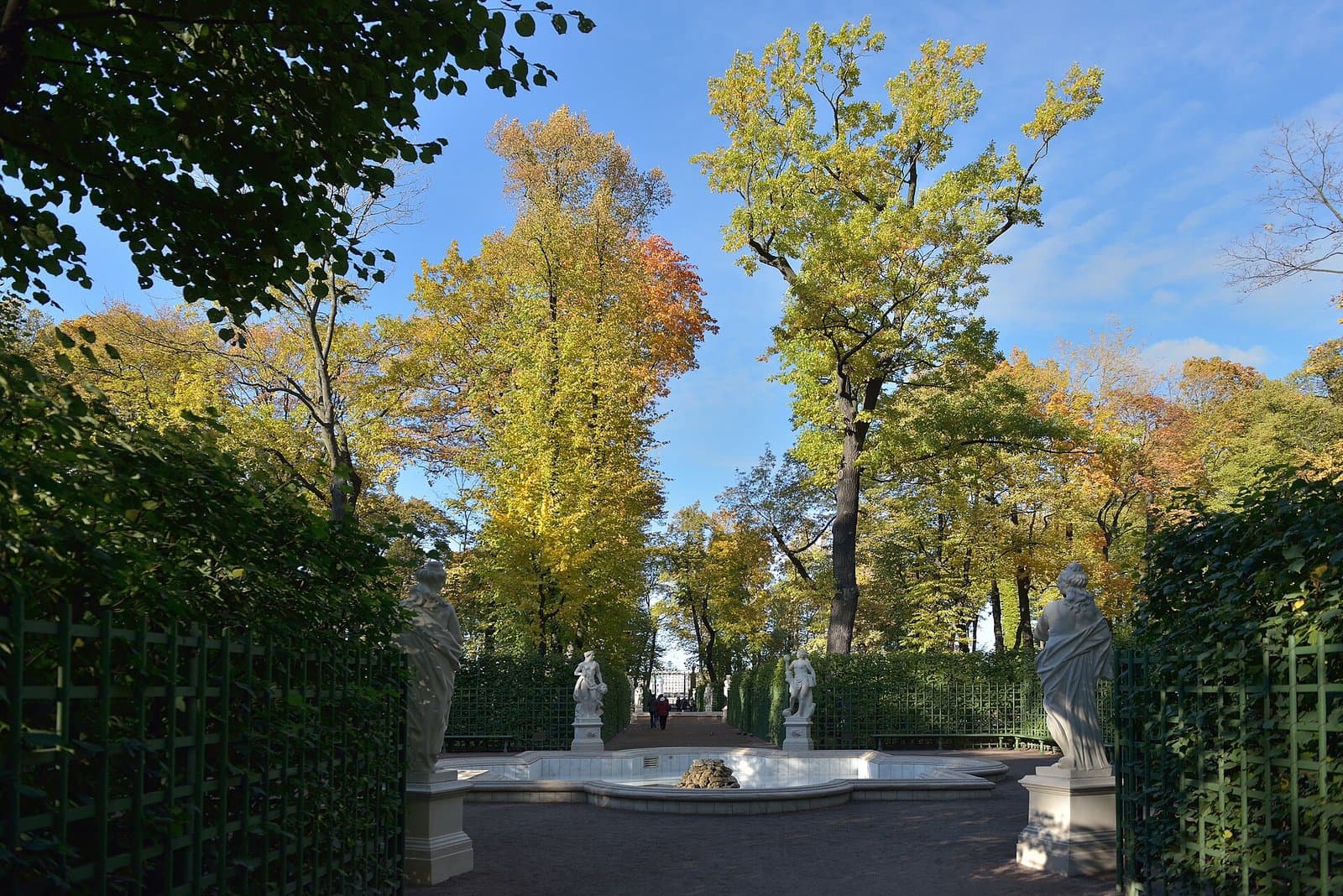
The main gate on Kutuzov Embankment opens onto symmetrical alleys where white marble sculptures stand among lime trees. Each statue represents mythological figures or allegorical concepts, positioned according to Peter's original plan. The garden's layout follows strict geometric patterns, with lime trees forming natural corridors that lead past fountains and pavilions.

The Russian Museum notes that the Summer Garden originally featured over 50 working fountains, though most were destroyed during the 1777 flood. Today, restoration efforts focus on maintaining the historical authenticity of pathways, statues, and the iconic railings that separate the garden from the Neva embankment. The combination of water views, sculptural art, and manicured greenery creates a unique atmosphere that differs from the grand palace complexes elsewhere in the city.

Peter the Great's Summer Palace: architecture and historical significance

The Summer Palace, completed in 1714 by architect Domenico Trezzini, served as Peter the Great's personal residence during warmer months. This modest two-story building contrasts sharply with the opulent Winter Palace, reflecting Peter's preference for functional Dutch-style architecture. The palace contains 14 rooms across both floors, with original interiors preserved to show how the royal family lived during the early 18th century.

Peter the Great's Summer Palace: architecture and historical significance

The palace's compact dimensions stand in marked contrast to later imperial residences. The ground floor housed Peter's personal chambers, including his study and bedroom, while Catherine I occupied the upper floor. Original Dutch tiles, oak paneling, and period furniture remain in place, offering an intimate glimpse into daily life before the construction of Peterhof and Tsarskoye Selo.

The palace walls display wind direction indicators and barometers, reflecting Peter's naval interests. Each room features low ceilings and small windows typical of early 18th-century construction. The State Russian Museum manages the palace as part of its historical collections, ensuring that restoration work maintains the building's authentic character. The green-painted exterior and red-tiled roof follow the original color scheme documented in period paintings.

How much do Summer Garden tickets cost in 2026?

Entry to the Summer Garden itself is free for all visitors throughout 2026, keeping the long tradition of open public access to the park. Peter the Great's Summer Palace is ticketed separately, and in 2026 it can be visited only as part of a guided tour (excursion) run by the Russian Museum. Guided-tour prices start from around 890 rubles and vary by programme, so check the current options and book on the official Russian Museum website before you go.

How much do Summer Garden tickets cost in 2026?

Note that the Summer Palace is a seasonal, warm-weather museum, open only from 1 May to 30 September and closed for the rest of the year. Because visits run on scheduled guided tours with limited places, it is worth booking ahead in the busy summer months rather than relying on same-day tickets. Concession rates are usually available for children and seniors — confirm the details when you book.

You can photograph the garden grounds freely. Palace visits are guided, so tour language and any interior photography rules are set by the Russian Museum — check language availability when you book if you need an English-language tour, and confirm current fees and conditions at the same time.

WhatCostNotes
Summer Garden entryFreeOpen year-round except the April drying closure
Summer Palace of Peter IGuided tour from ~890 ₽Guided tour only in 2026; open 1 May–30 Sep; book via the Russian Museum
Photographing the gardenFreeConfirm palace interior rules at booking

Which marble statues deserve special attention?

The Summer Garden's sculpture collection includes works by Italian masters Pietro Baratta, Giovanni Bonazza, and Marino Gropelli, commissioned by Peter the Great between 1705 and 1725. The most significant pieces include "Peace and Abundance" near the main entrance, "Navigation" along the Swan Canal, and "Architecture" positioned at the intersection of central alleys. Each statue originally stood on ornate pedestals with inscriptions explaining its allegorical meaning.

Which marble statues deserve special attention?

"Truth" by Pietro Baratta, located in the third alley from the Neva embankment, depicts a female figure holding a mirror and sun, symbolizing enlightenment values that Peter championed. Nearby, "Glory" shows a winged figure with a trumpet, celebrating Russian military victories during the Great Northern War.

To protect them from the climate, the original marbles have been moved indoors — the bulk of the collection is now kept in the nearby Mikhailovsky (Engineers') Castle — and precise copies stand in the garden in their place. In winter even these copies are boxed in protective wooden cases against frost and damp, so a cold-season visit shows you the cases rather than the figures. The State Russian Museum, which manages the Summer Garden, has carried out extensive conservation of the original sculptures.

The garden's sculptural program follows a deliberate educational purpose, with statues arranged to teach visitors about virtues, sciences, and arts. "Astronomy" and "Navigation" flank the pathway leading to the Neva, emphasizing Peter's maritime ambitions. Several statues bear visible damage from the 1777 flood and subsequent conflicts, with restoration marks carefully documented to maintain historical authenticity rather than creating false perfection.

What happened to the original fountains?

Peter the Great's Summer Garden originally featured Russia's first fountain system, with 50 water features powered by a horse-driven pumping station on the Fontanka River. The fountains operated from 1705 until the catastrophic 1777 flood destroyed the hydraulic machinery and underground pipes. Contemporary engravings show elaborate water displays including cascading fountains, decorative pools, and jet arrangements that rivaled Versailles in complexity.

What happened to the original fountains?

The main fountain stood at the garden's center, surrounded by four smaller water features representing the seasons. Marble basins collected water that flowed through lead pipes buried beneath the alleys, creating a network that required constant maintenance. The remaining fountain bases reveal the scale of the original system through preserved stone foundations and drainage channels still visible in several locations.

After the 1777 disaster the fountains were not restored in the imperial era, and the garden shifted toward a more naturalistic English landscape style. The Fontanka River, which originally fed the system, still takes its name from these fountains. During the major restoration of the garden completed in 2011, however, several fountains were recreated on their historic sites — including the Crowning Fountain ("Koronny") in the Grand Parterre — so today's visitors once again see working fountains playing among the statues.

How do I reach the Summer Garden from central Saint Petersburg?

The Summer Garden sits on the corner of Kutuzov Embankment and Pestelya Street, accessible via multiple metro stations and surface transport routes. Nevsky Prospekt metro station (blue line) places visitors within a 15-minute walk, heading north along Mikhailovskaya Street past the Russian Museum. Alternatively, Gostiny Dvor station (green line) offers a similar walking distance, following Sadovaya Street to the Fontanka River embankment.

How do I reach the Summer Garden from central Saint Petersburg?

Bus routes 46 and 76 stop directly at the Summer Garden entrance on Kutuzov Embankment, running from Moskovskaya metro station through the city center. Trolleybus number 1 follows Nevsky Prospekt before turning onto the embankment, providing scenic views of the Neva River during the journey. From Pulkovo Airport, the most efficient route involves taking bus 39 to Moskovskaya metro, then transferring to the blue line toward Nevsky Prospekt.

Walking from the Hermitage takes approximately 20 minutes, crossing Palace Bridge and following the Neva embankment eastward. The route passes the Field of Mars and the Marble Palace, making it an excellent way to see multiple landmarks in one trip. Taxi services from Nevsky Prospekt average 250-300 rubles, though walking remains the preferred option during summer months when daylight extends past 11 PM.

The garden opens daily at 10:00, closing at 22:00 in the summer season (from 1 May) and at 18:00 in the winter season; its regular day off is Tuesday, and it closes completely for the whole of April each year while the grounds dry out. A secondary entrance on the Moika River side provides access when the main gate is busy. The garden's flat pathways accommodate visitors with mobility limitations, though some gravel sections may prove challenging for wheelchairs.

When should I visit to avoid crowds and see the best seasonal displays?

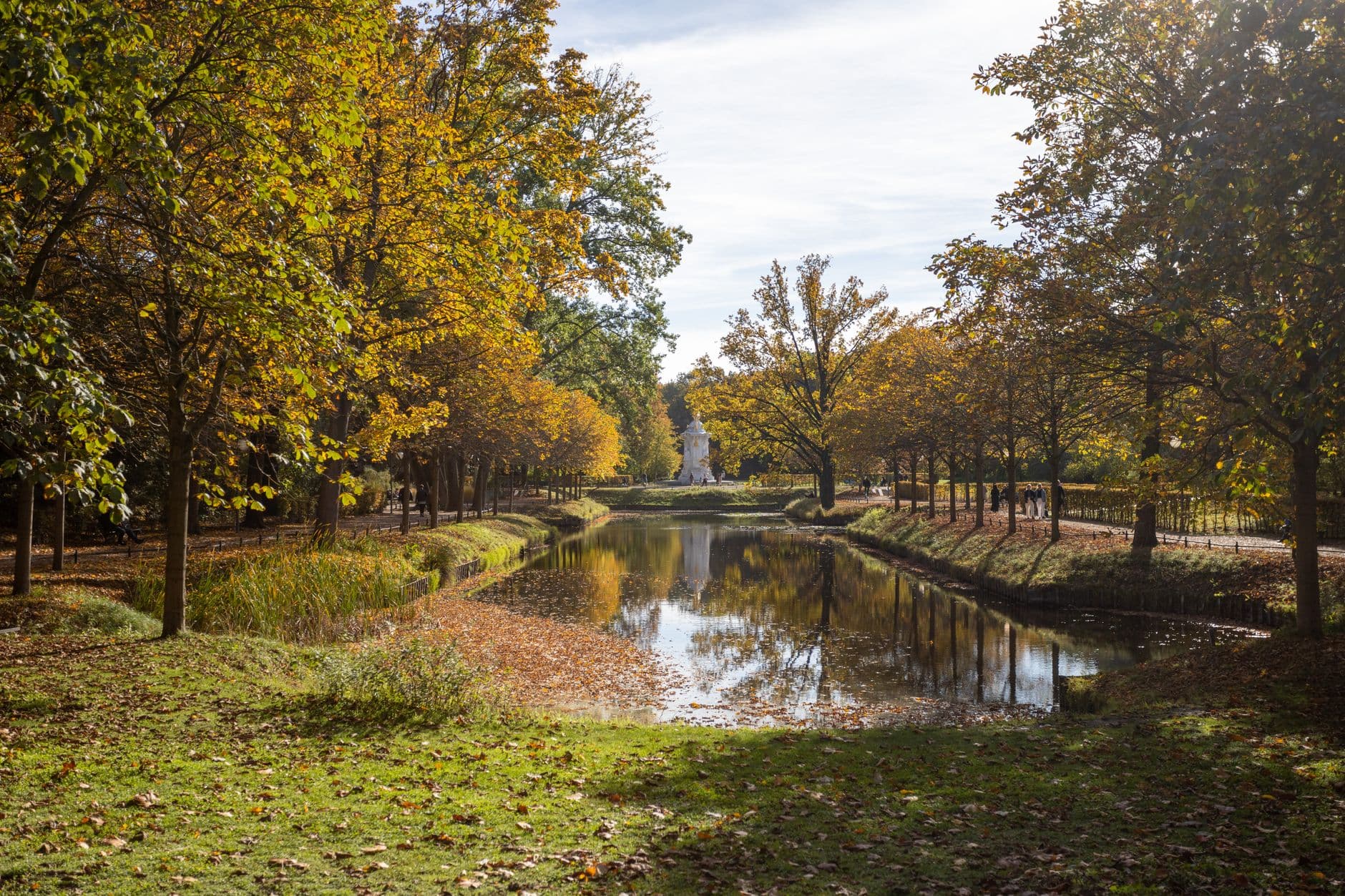
The Summer Garden experiences peak visitor numbers from June through August, particularly during the White Nights period when extended daylight draws international tourists. Weekday mornings between 10:00 and 12:00 offer the quietest experience, before tour groups arrive from cruise ships docked at the Marine Facade terminal. September provides an ideal balance of pleasant weather, fewer crowds, and spectacular autumn foliage that frames the marble statues in golden hues.

Spring visits from late April through May reveal the garden's extensive flower beds, with thousands of tulips, daffodils, and hyacinths planted annually. The lime trees begin leafing in early May, creating green canopies over the alleys by mid-month. Early May offers the combination of blooming flowers and relatively empty pathways that allow for unhurried photography and contemplation of individual statues.

Winter transforms the garden into a snow-covered landscape. The Summer Palace is open only in the warm season (1 May–30 September), so in the cold months you have the park largely to yourself, with snow settling on the boxed statue cases and ice forming along the Fontanka embankment. The garden itself stays open year-round apart from the April drying closure. In summer it is open until 22:00, so late-evening visits during the long White Nights days offer especially soft light for photography.

The garden hosts occasional classical music concerts during summer weekends, announced on the Russian Museum official website. These events attract locals and typically occur in the early evening, creating a festive atmosphere without overwhelming the space. Visiting immediately after rain reveals the marble statues at their most luminous, with wet surfaces enhancing the sculptural details and reducing the harsh shadows that appear during midday sun.