On the road from Pulkovo airport into the city a ridge of hills with domes rises on the right — the Pulkovo Heights, the highest point of St Petersburg's southern surroundings. The Pulkovo Observatory has worked on the summit since 1839, and the "zero" meridian of Russian maps once passed through it. In 1941–1944 the front line of the siege ran along these slopes, marked by a memorial by the highway. It is half a day that fits neatly beside an arrival or a departure.
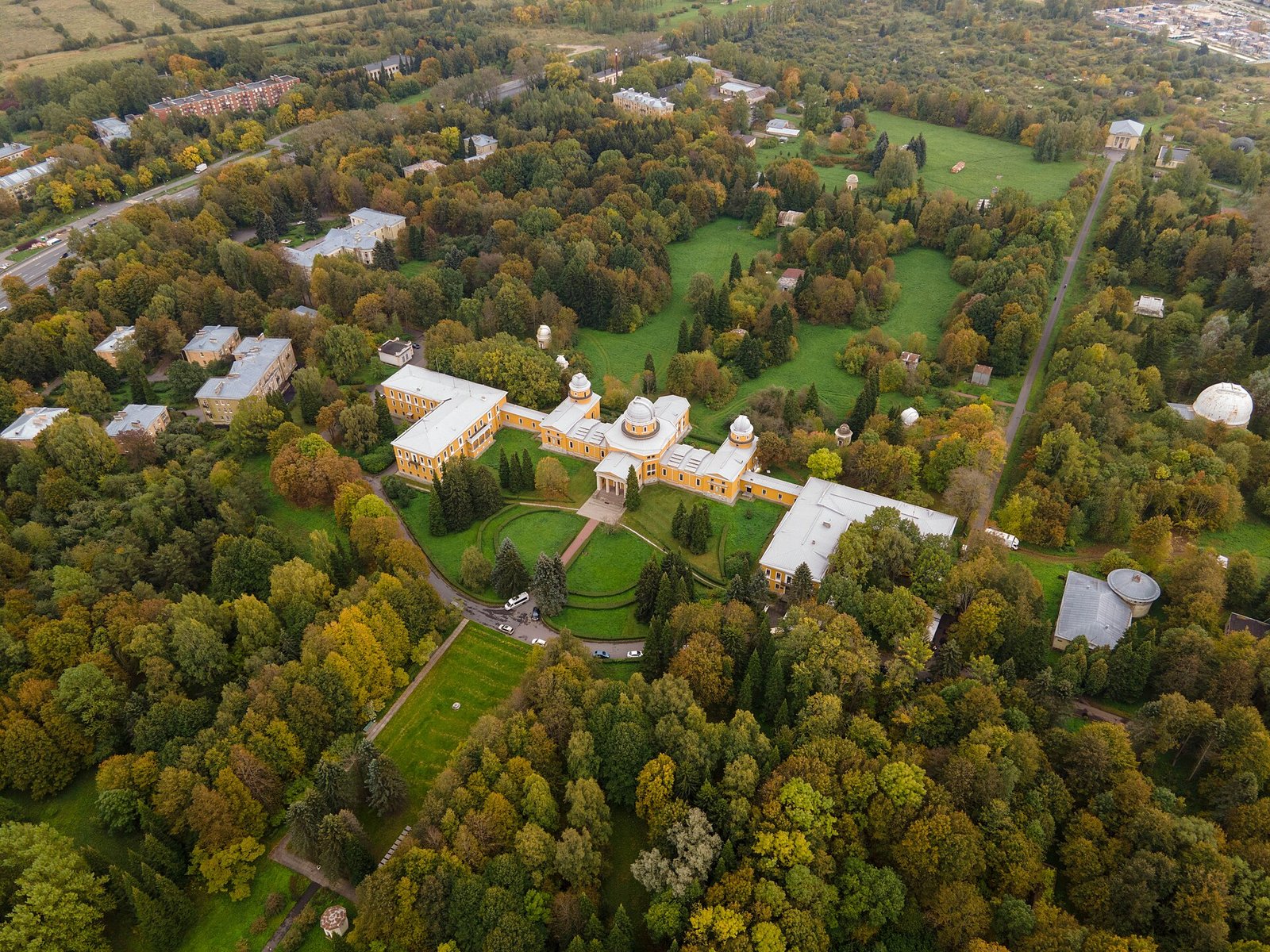
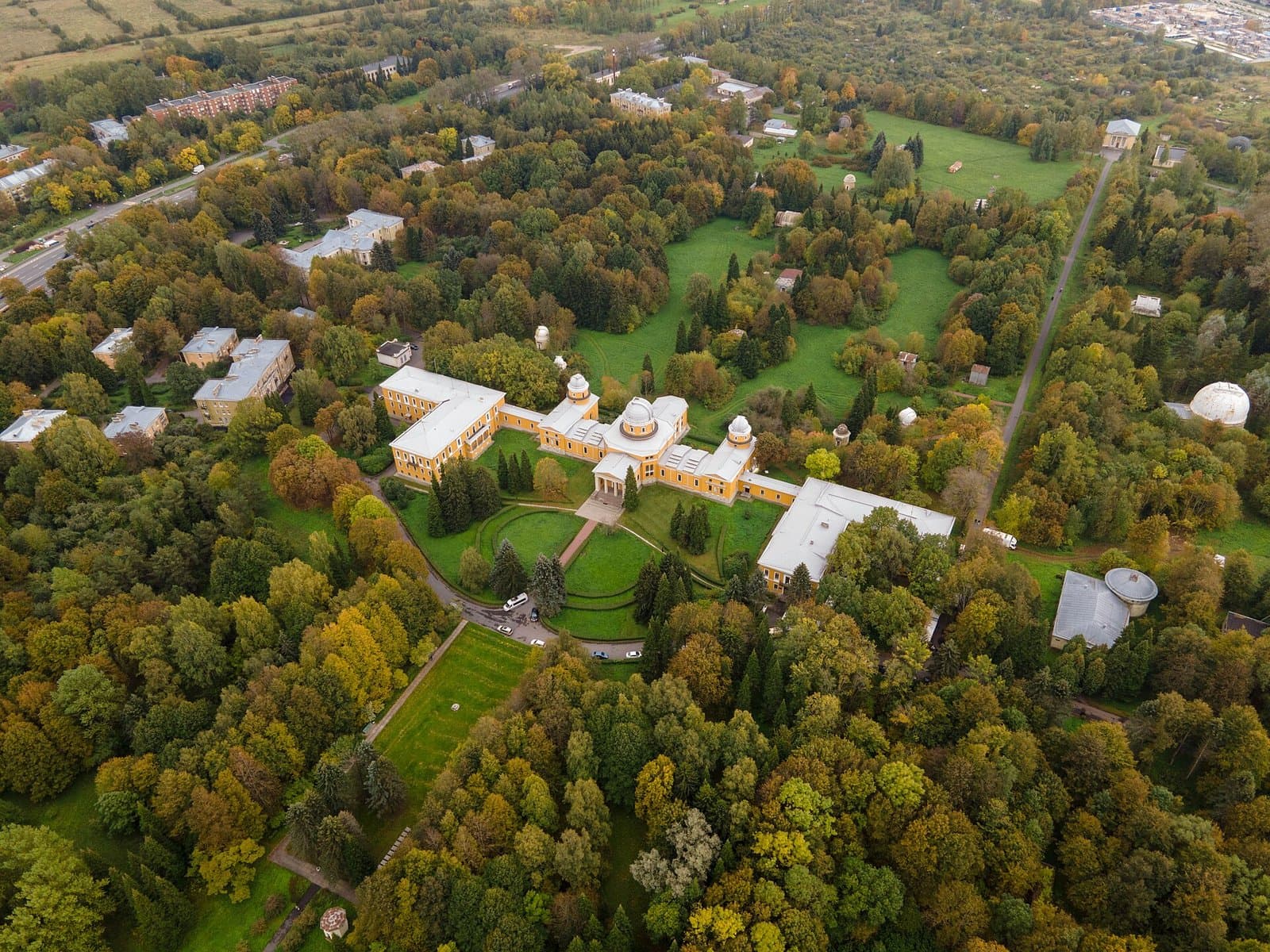
The observatory's main building with its domes on the hilltop. Photo: Wikimedia Commons
The observatory
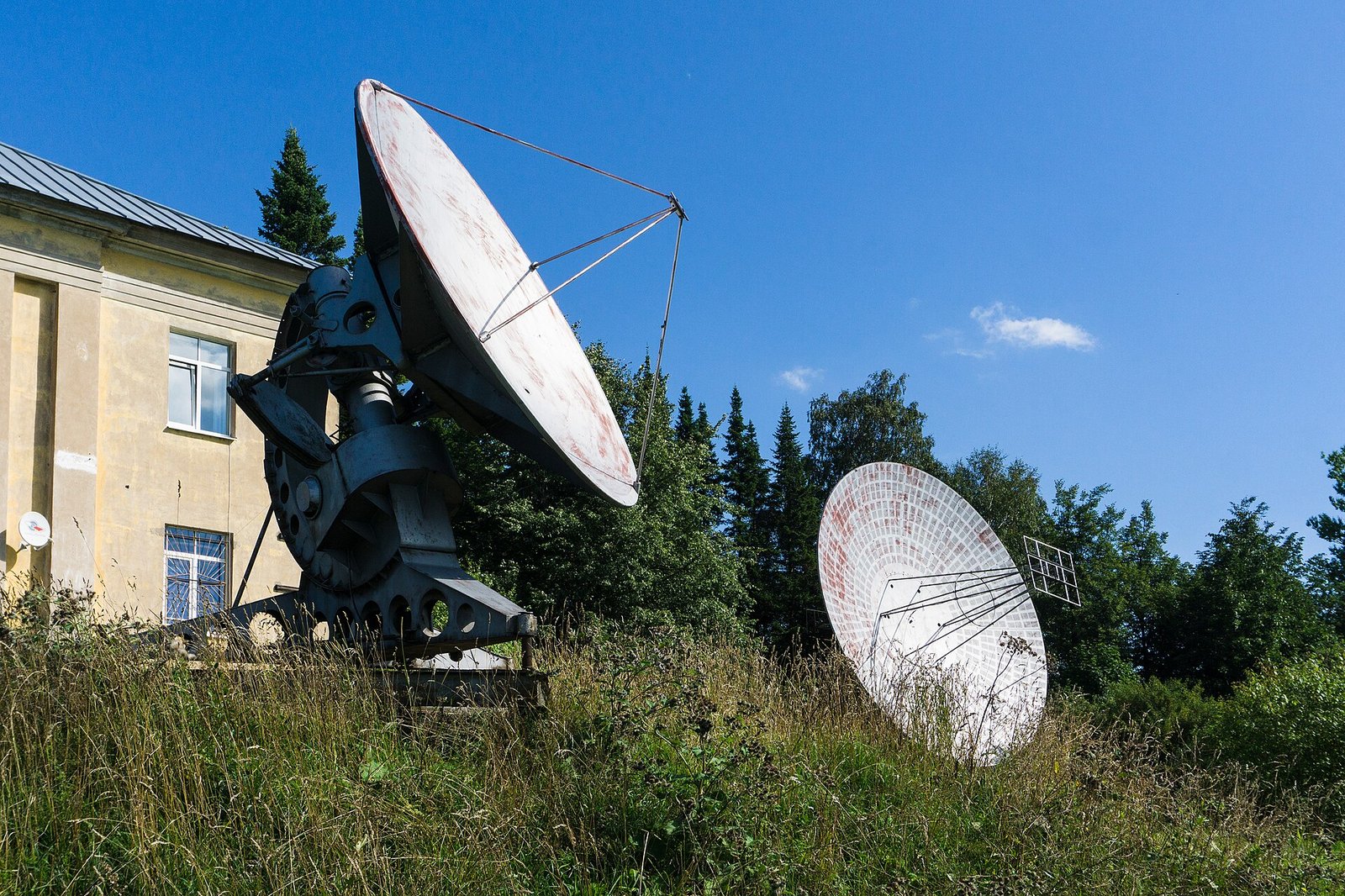
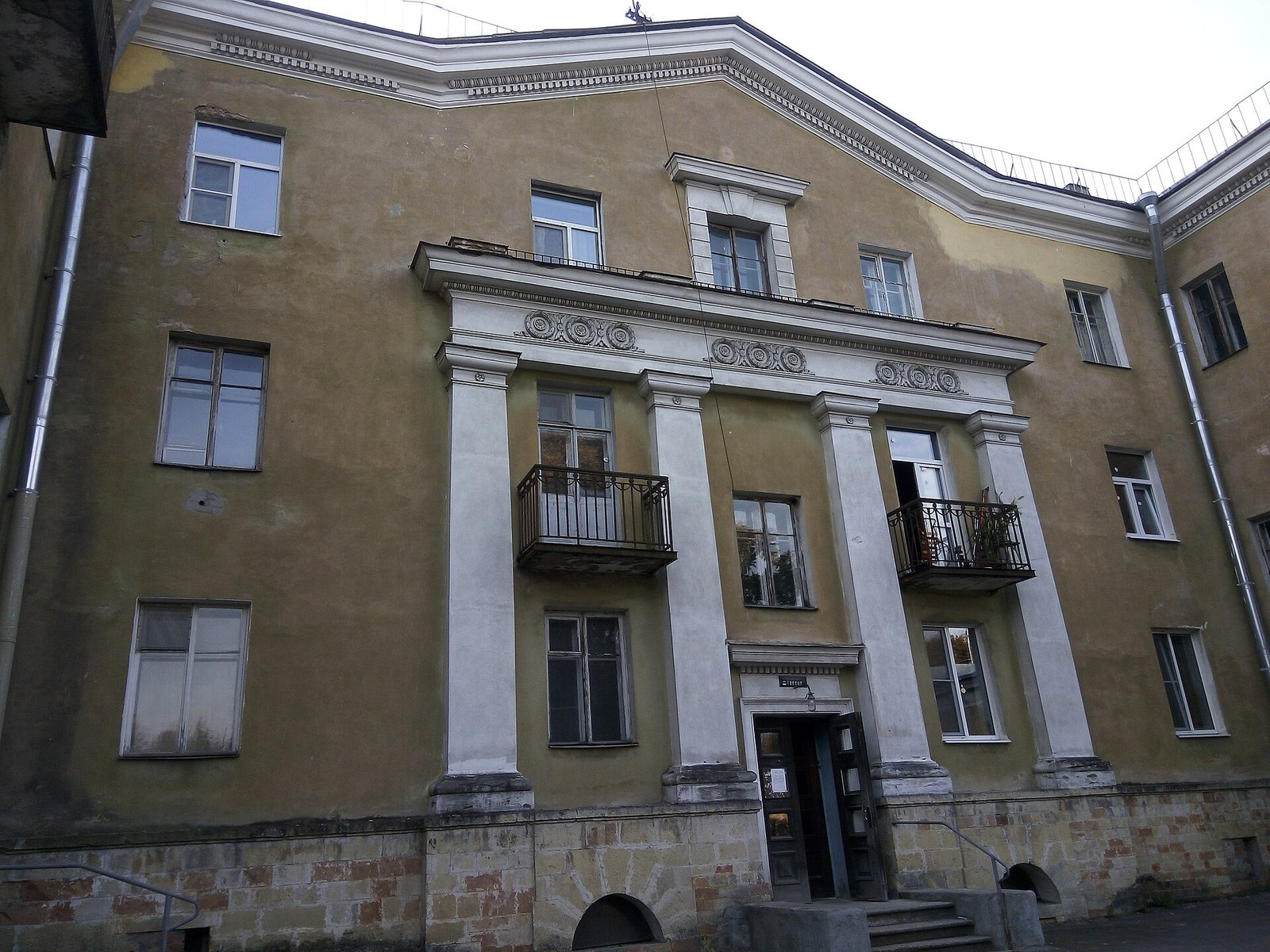
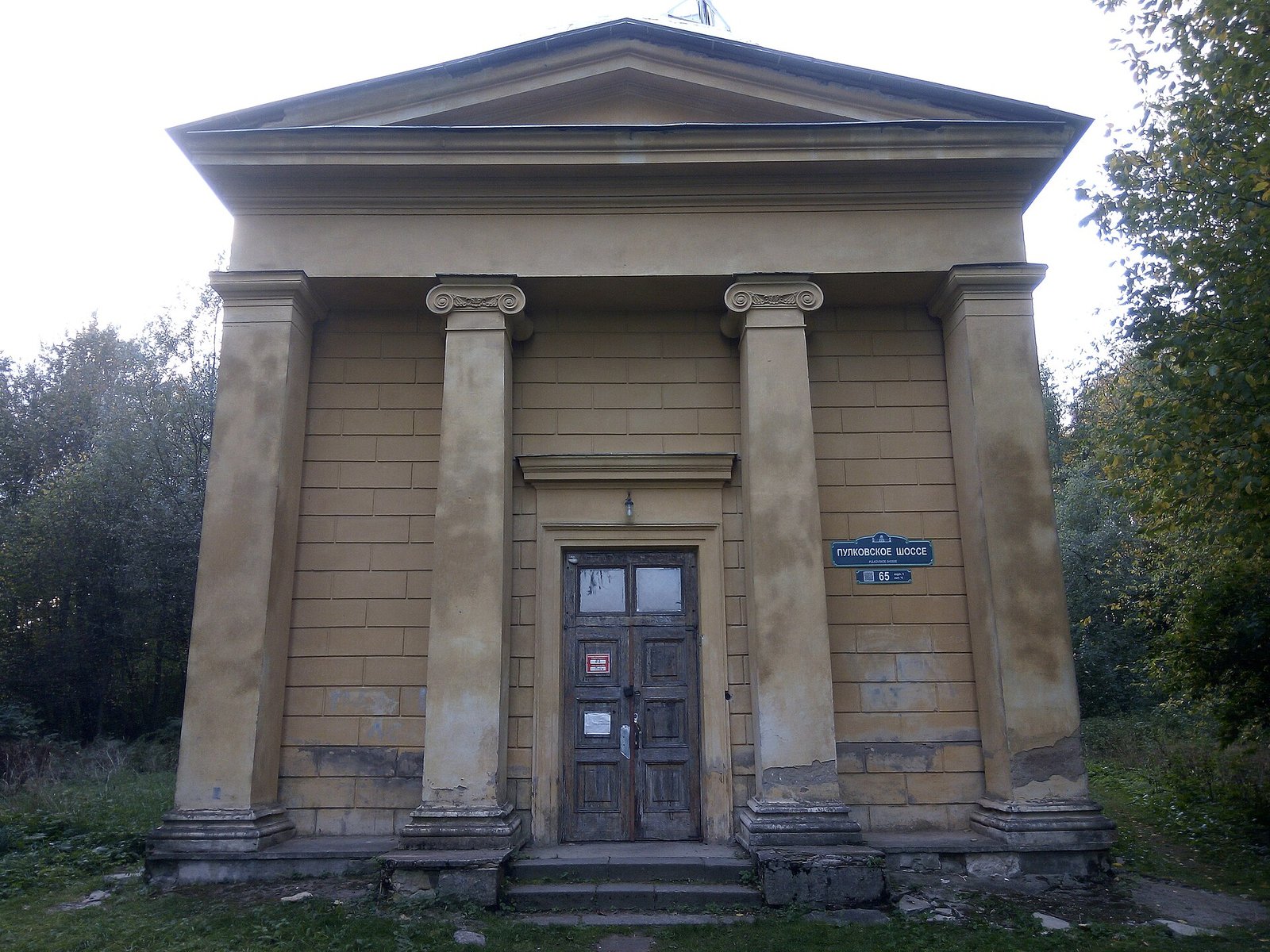
Russia's main astronomical observatory was built on the heights to a design by Alexander Brullov and opened in 1839 under its first director, Friedrich Georg Wilhelm Struve. According to the observatory, the building was destroyed in the war and rebuilt in the 1950s from the old drawings. The grounds hold the main building with its domes, telescope pavilions, a park and a museum of the history of astronomy. Entry is by guided tour only, booked in advance: daytime tours of the museum and pavilions, evening tours with telescope viewing in clear weather. Groups are small.
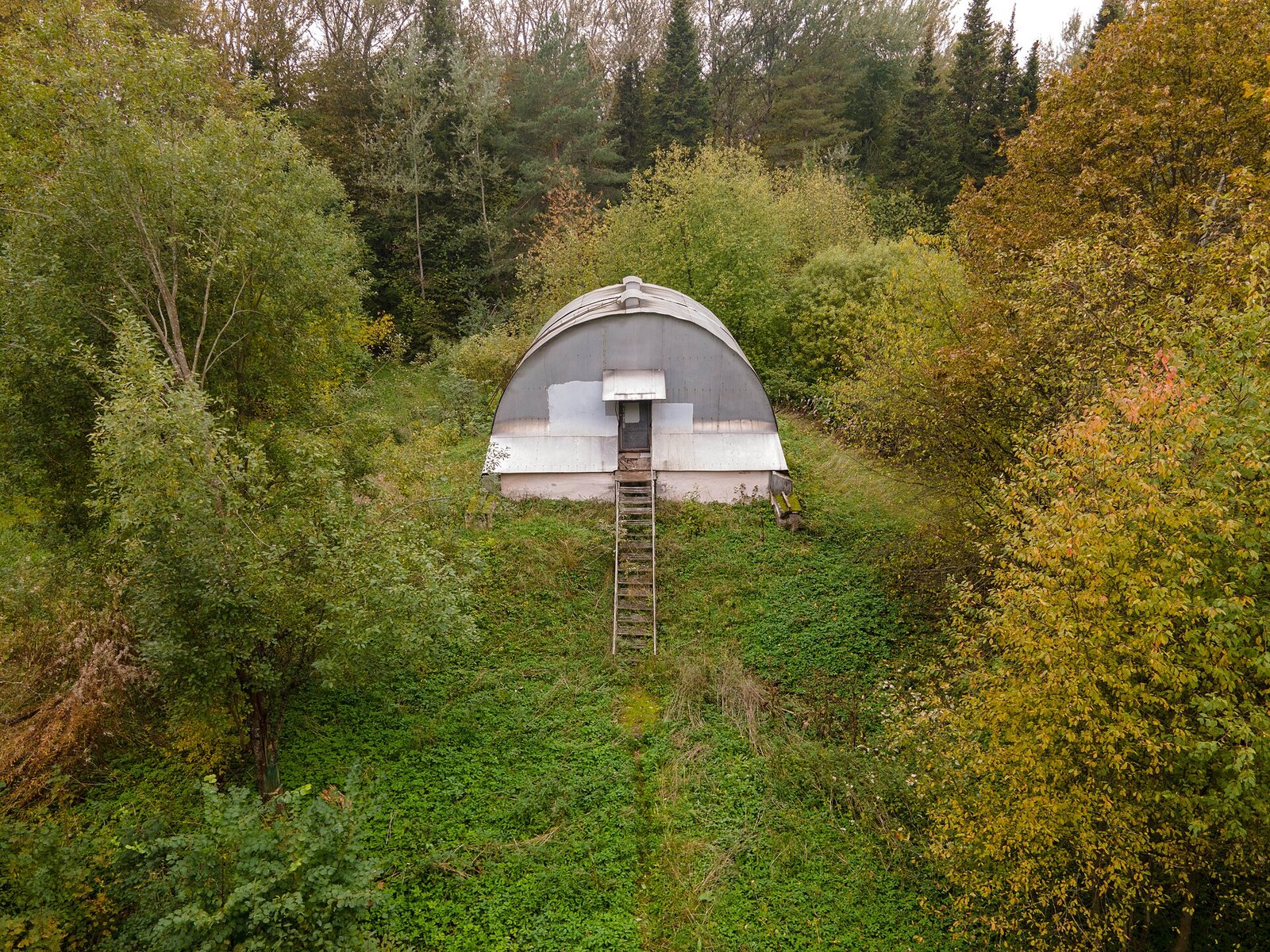
One of the historic telescopes. Photo: Wikimedia Commons
The Pulkovo meridian
The meridian through the centre of the main building was the zero of longitude on Russian maps until 1884. It is marked by a sign on the grounds and by a line on the floor inside — one of the details that makes the tour worth taking.
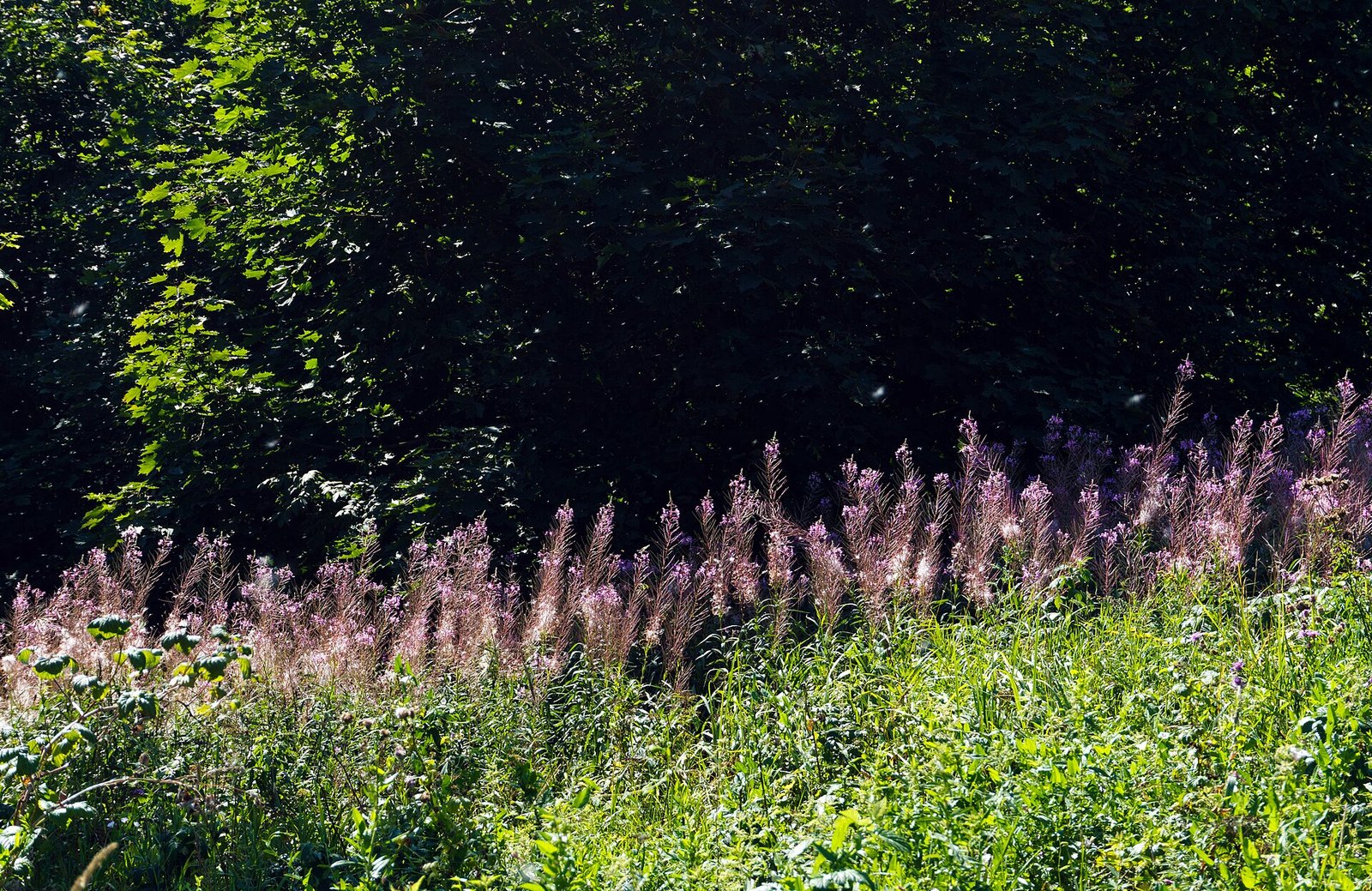
The meridian marker on the observatory grounds. Photo: Wikimedia Commons
The siege line and memorials
The heights were a key point of the city's defence: German artillery could not advance past them towards the centre, and the front stood here until 1944. By the Pulkovo Highway is the Pulkovo Line memorial of the Green Belt of Glory — a stele, a mosaic, an alley — with mass graves and obelisks nearby. Traces of fortifications survive on the slopes.
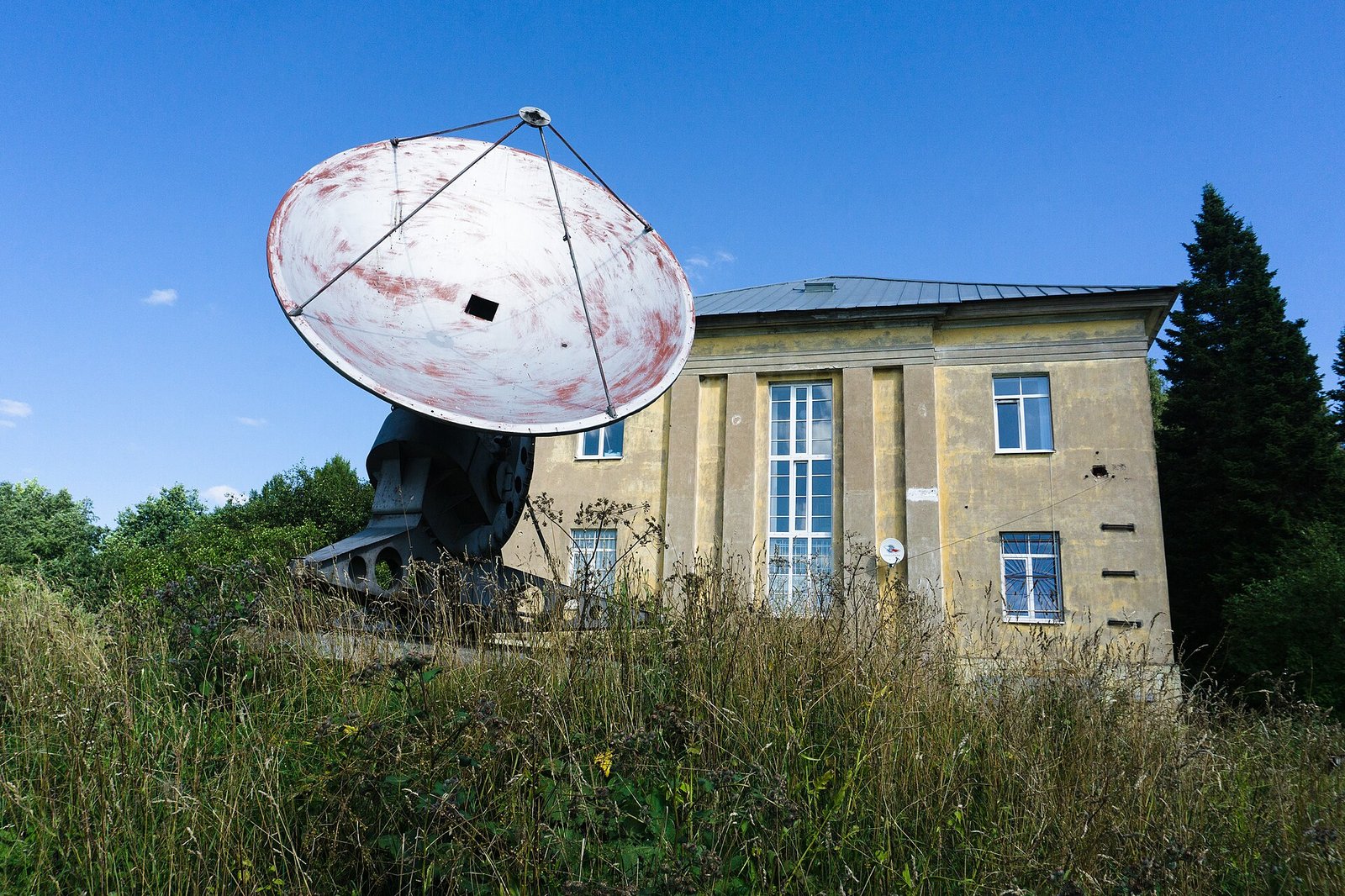
The Pulkovo Line memorial by the highway. Photo: Wikimedia Commons
The view
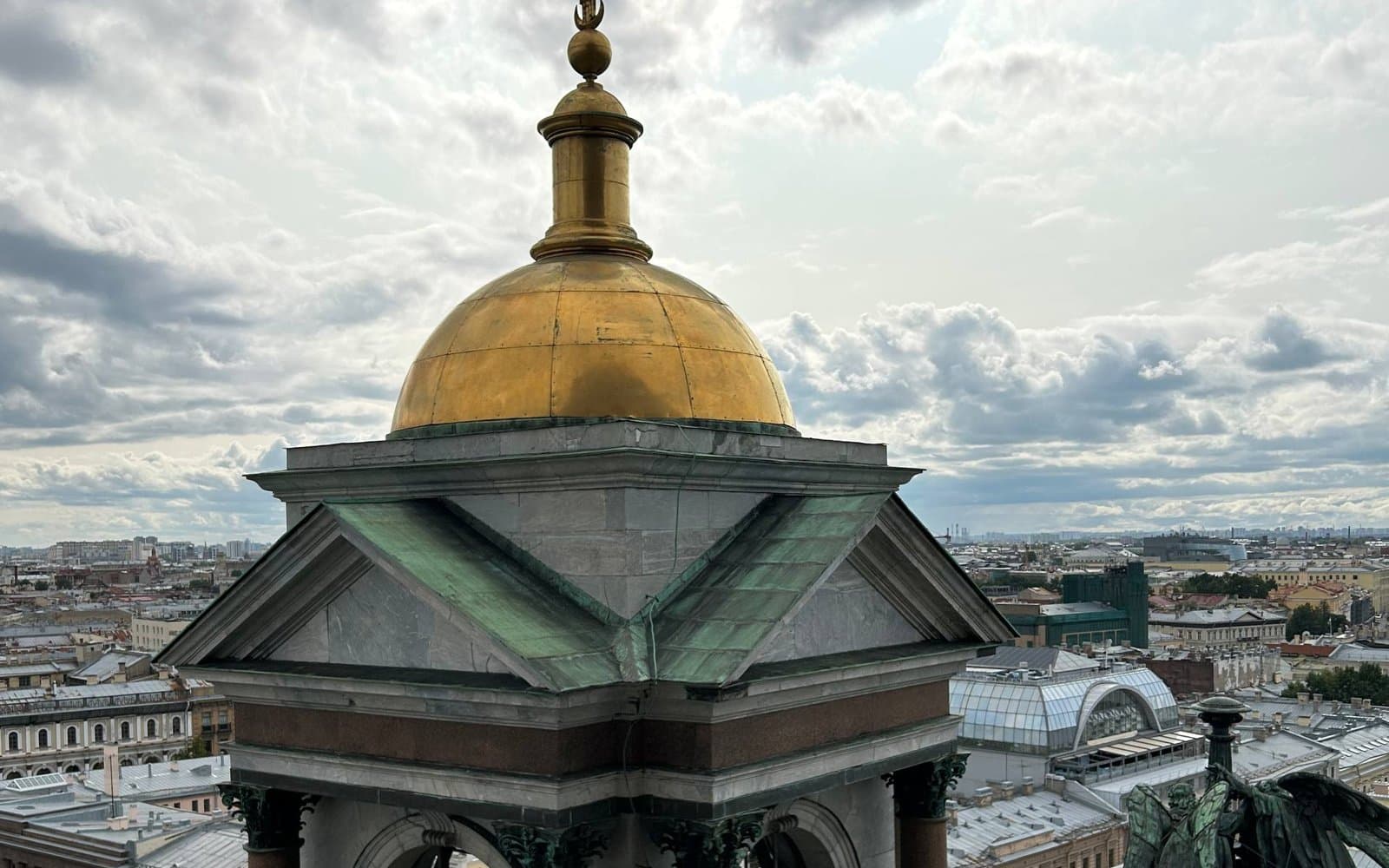
From the upper terrace by the observatory and from the open slopes you see the whole city, from the Lakhta Center to St Isaac's and beyond. Best on a clear day after rain. The observatory park is fenced, but the lower slopes and paths along the highway are open.
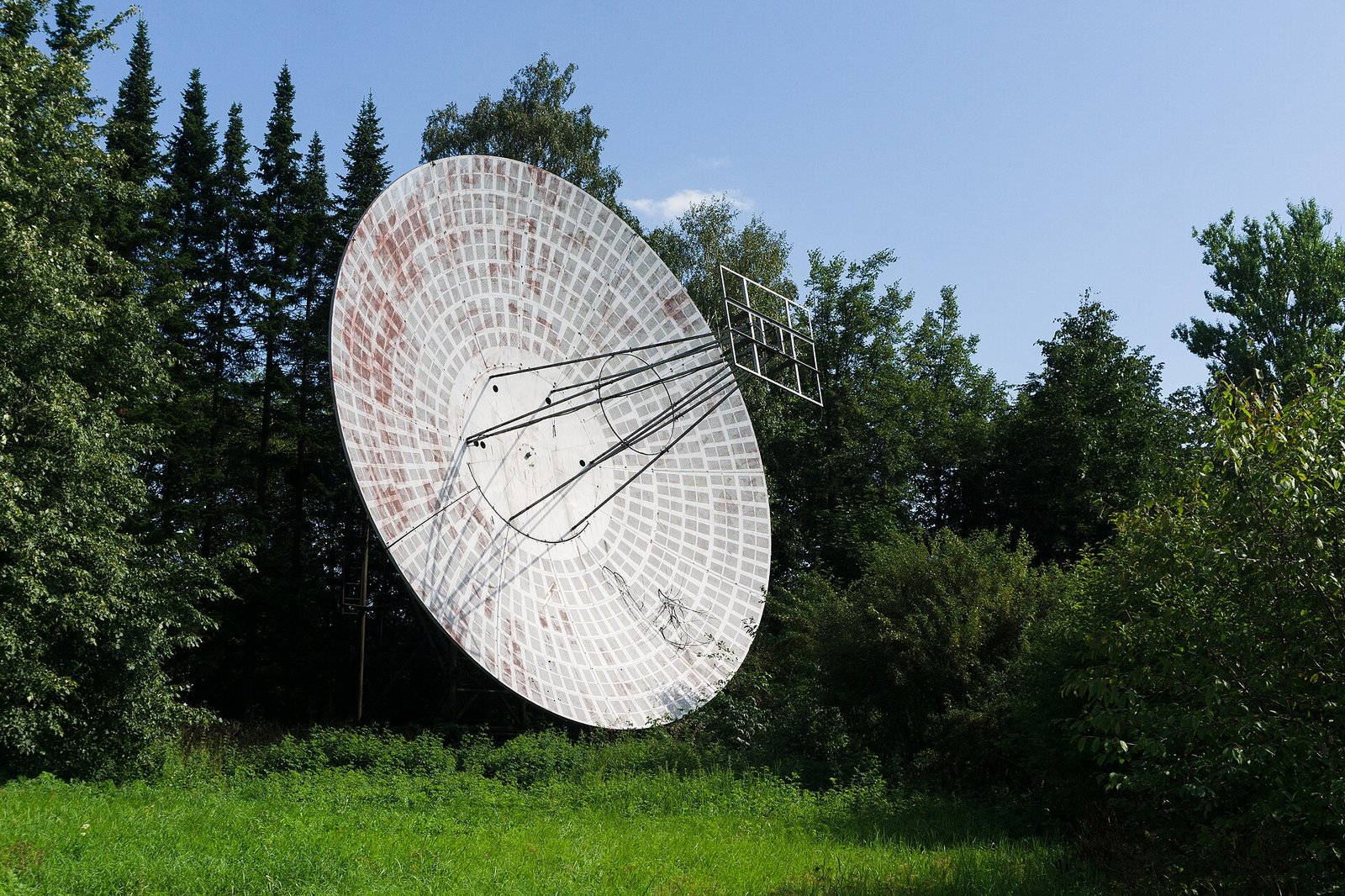
The panorama of the city from the heights. Photo: Wikimedia Commons