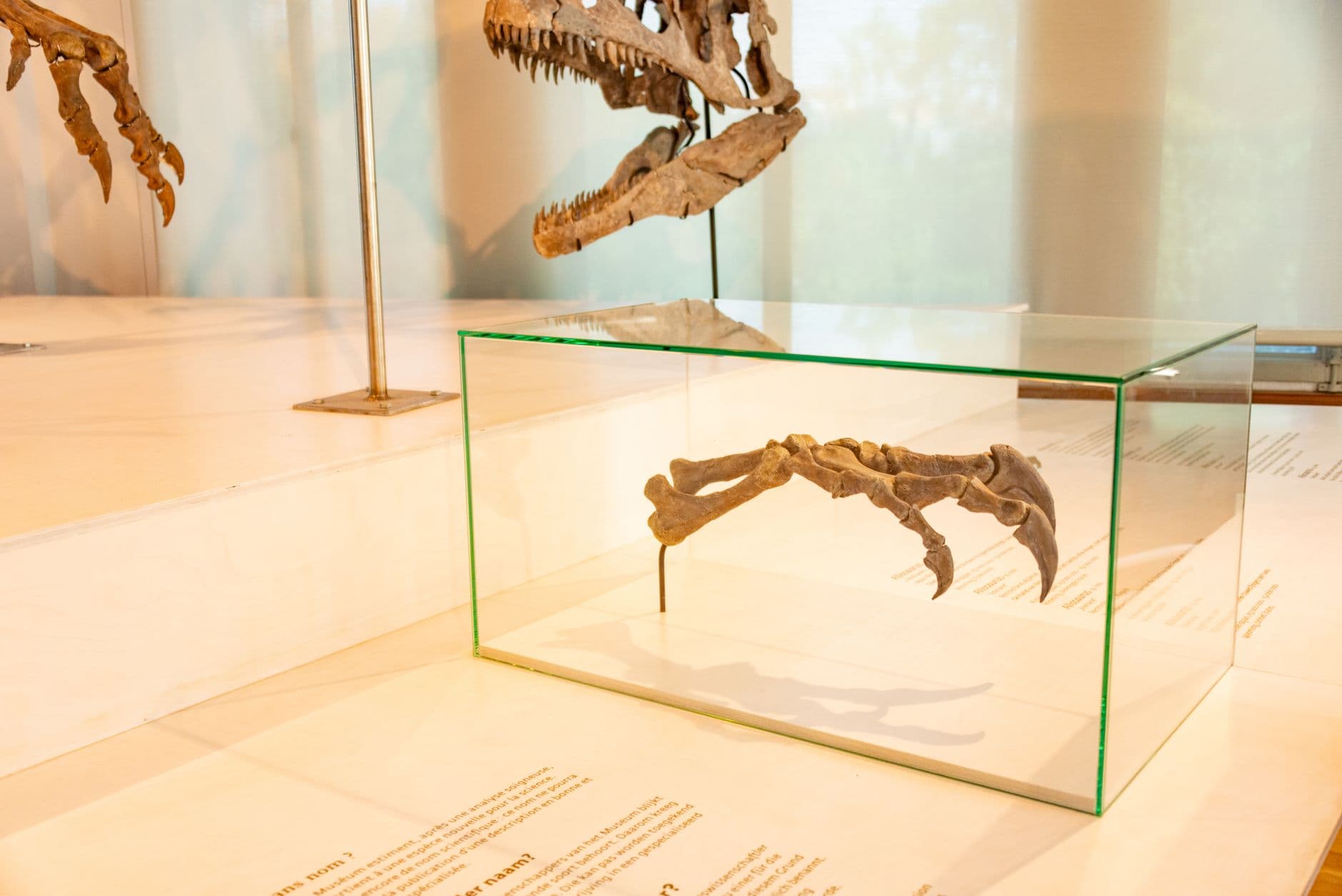

Il Museo Zoologico di San Pietroburgo è uno dei dieci più grandi musei di storia naturale al mondo e uno dei più antichi della città sulla Neva. L'istituto che lo gestisce conserva oltre 60 milioni di esemplari, di cui circa 30.000 esposti al pubblico: i suoi mammut, l'elefante marino meridionale e lo scheletro di balenottera azzurra lungo 27 metri sono il motivo per cui le famiglie lo inseriscono nella lista delle tappe imperdibili. Se amate la storia naturale classica, con sale ricche di reperti, pochi luoghi possono reggere il confronto.
Dedicateci un paio d'ore come si deve: le sale sono dense di esemplari e i pezzi forti meritano una visita lenta, non un giro veloce.
Che cos'è il Museo Zoologico di San Pietroburgo?
È il dipartimento espositivo dell'Istituto Zoologico dell'Accademia Russa delle Scienze (RAS), nato dalla collezione zoologica dell'Accademia delle Scienze. L'istituto fu fondato nel 1832, il museo assunse il nome attuale nel 1931 e occupa questo edificio sulla Neva dal 1898. Questa storia spiega la sua vastità: l'istituto possiede una delle collezioni più grandi al mondo e il museo pubblico ne espone una parte enorme.
Non confondetelo con il museo di antropologia vicino: sono uno accanto all'altro, ma questo è interamente dedicato agli animali.
Dove si trova il Museo Zoologico e come arrivarci?
Il museo si trova al numero 1 del Lungoneva Universitetskaya, nel centro storico di San Pietroburgo, proprio sulle rive della Neva. Condivide l'argine con alcune delle istituzioni più antiche della città, quindi si inserisce facilmente in una sosta lungo il fiume. Da qui si gode una vista diretta sull'altra sponda della Neva.
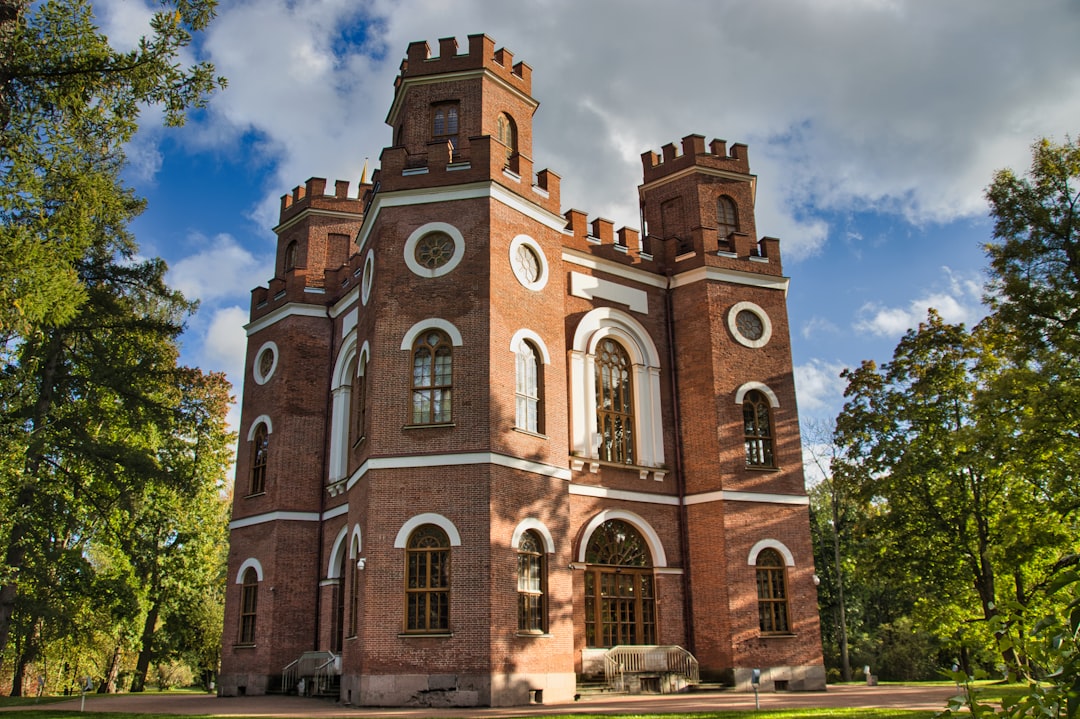
È una passeggiata piacevole lungo l'argine e la sua posizione centrale permette di inserirlo tra altre attrazioni senza bisogno di un viaggio apposito.
Cosa si può vedere: i mammut, la balenottera azzurra e altro ancora?
Molto, e tutto esposto in modo molto denso. Dei oltre 60 milioni di esemplari dell'istituto, circa 30.000 sono in mostra, con animali provenienti da tutto il mondo. I pezzi forti sono imperdibili:
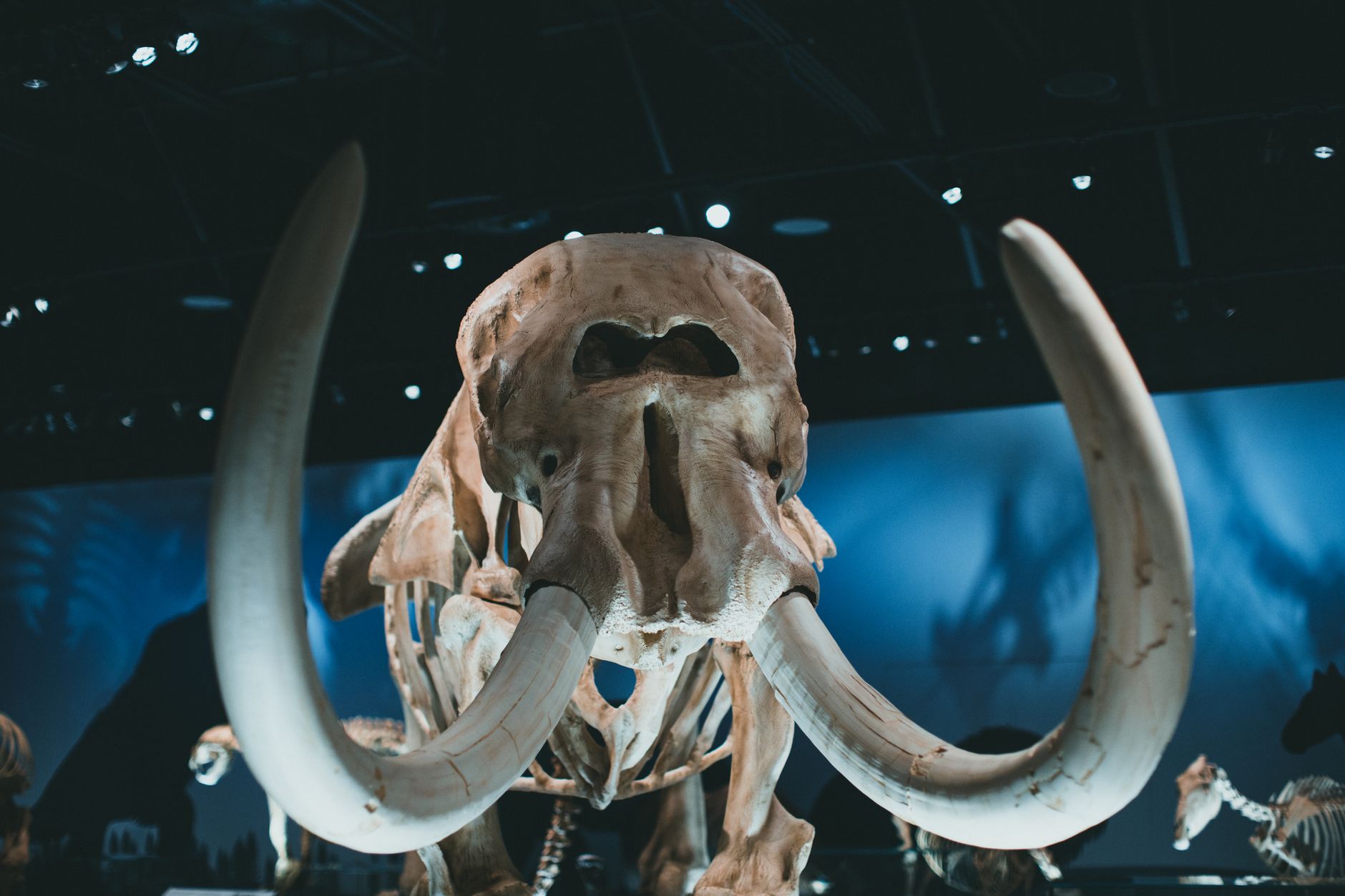
- Il mammut di Berezovsky — il famoso mammut imbalsamato del museo, recuperato dal permafrost.
- Mummie di cuccioli di mammut — giovani mammut conservati, risalenti a circa 36.000-40.000 anni fa.
- Uno scheletro di elefante marino meridionale e uno scheletro di balenottera azzurra di 27 metri — i reperti più grandi delle sale.
- Fauna mondiale — animali imbalsamati e scheletri nelle gallerie principali.
I mammut attirano davvero l'attenzione dei visitatori; aspettatevi un po' di folla intorno a loro, mentre lo scheletro della balenottera azzurra sopra le vostre teste è difficile da fotografare in un unico scatto.