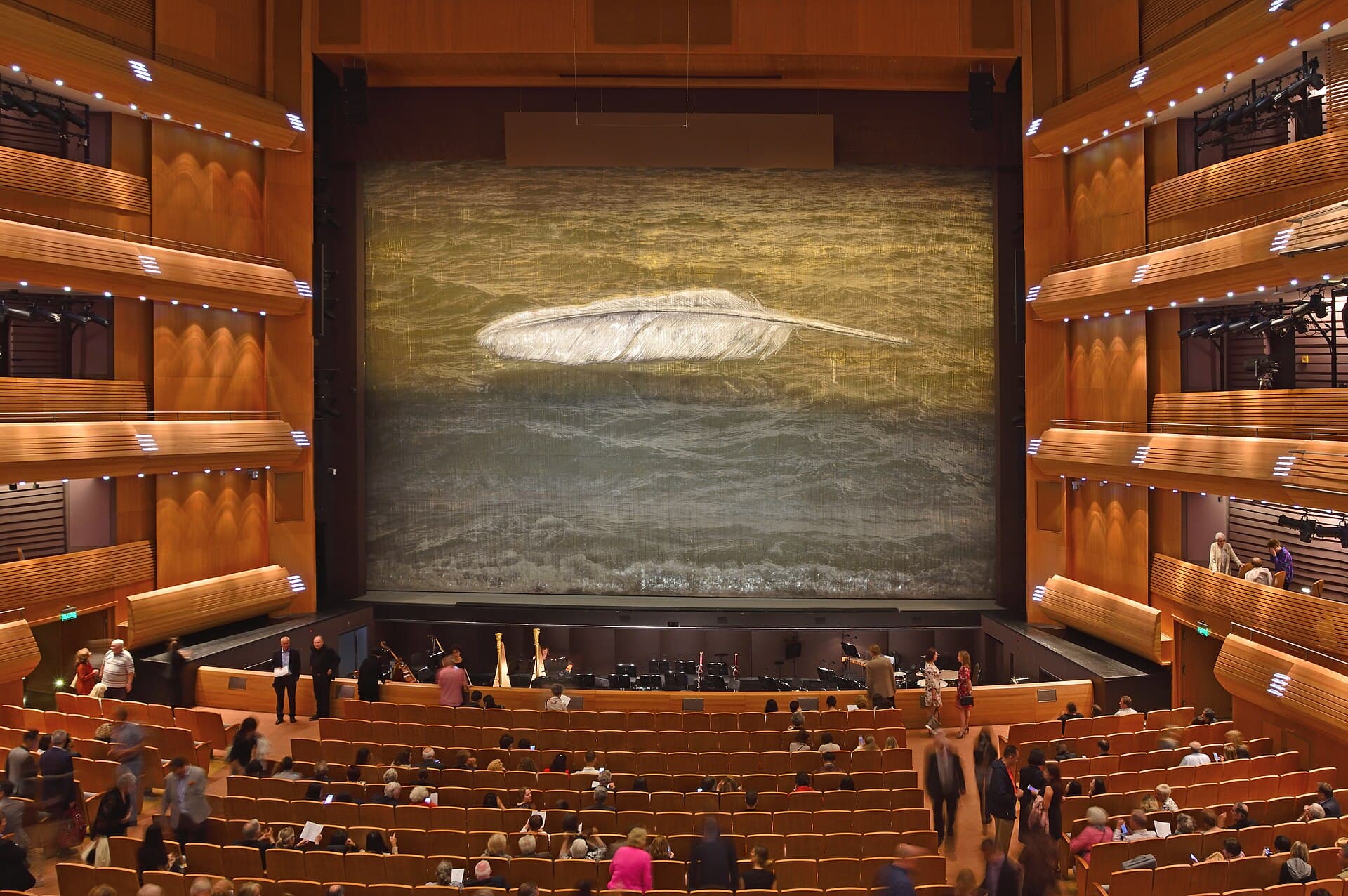
The Mariinsky's opera company runs on a repertory system — a different title almost every night, Mozart and Mussorgsky in the same week. For a first-time visitor this is both the attraction and the trap: pick the wrong title and you spend four hours in Russian without surtitles, or follow the first-night queue to a show the regulars already know is tired. Here is a shortcut.
🎼 What to pick the first time
The safest openings for a first opera at the Mariinsky:
- Eugene Onegin (Tchaikovsky) — the most Russian opera ever written; even a listener with no language can follow the plot through the staging. Three acts, three and a quarter hours including intervals. Russian surtitles in Russian halls; English surtitles on scheduled dates (check mariinsky.ru). - The Queen of Spades (Tchaikovsky) — darker, denser, the single greatest Mariinsky showpiece when Gergiev conducts. Not easy for a child; perfect for an adult first-timer. - The Barber of Seville (Rossini) — Italian, light, two acts, three hours. The friendliest first opera in the city. - La Traviata — Verdi, universally legible, Mariinsky's current production looks modern without hurting the music.
Avoid as a first opera: War and Peace (five hours, giant cast), Boris Godunov (long, grim, Russian-text-heavy), The Legend of the Invisible City of Kitezh (slow, demanding).
🏛 Historic Mariinsky vs. Mariinsky II
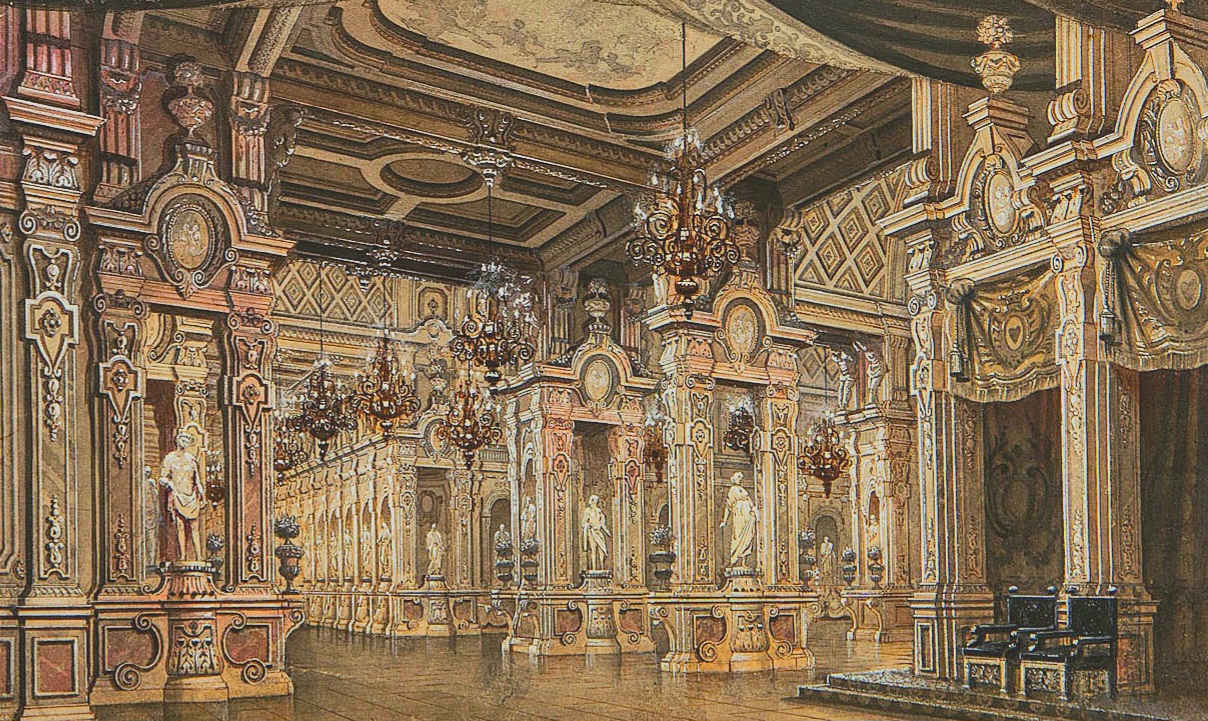
Opera plays on both stages. The historic building (Teatralnaya Ploshchad 1) has the better acoustic and the gilt-and-blue 1860 hall; Mariinsky II (Dekabristov 34) has better sightlines from the balcony and more flexible staging. The ticket is tied to the building — the Mariinsky's two addresses sit across the Kryukov Canal from each other, and arriving at the wrong one is a frequent mistake. Read the ticket.
Doors open an hour before the show. The usual programme is three acts with two intervals; a stand-up buffet in the foyer sells sandwiches and small bottles of mineral water.