اصطحاب قط أو كلب إلى سانت بطرسبرغ ، أو إخراجه منها ، يفشل في أمور صغيرة: تطعيم تم إجراؤه قبل الشريحة الإلكترونية ، أو حامل يتجاوز الحد الأقصى بعشرة سنتيمترات ، أو عدم وجود تذكرة منفصلة للحيوان. إليك ما تتطلبه روسيا ، وما يتطلبه الاتحاد الأوروبي ، وكيف تتعامل القطارات ومترو الأنفاق ومطار بولكوفو مع الحيوانات الأليفة ، وأين يمكنك في المدينة الحصول على جميع الأوراق البيطرية في زيارة واحدة. كل ما يلي يتبع القواعد المنشورة من قبل روستسلكوزنادزور (الخدمة البيطرية الفيدرالية) ، والسكك الحديدية الروسية ، ومترو الأنفاق ، والمطار.
وثائق
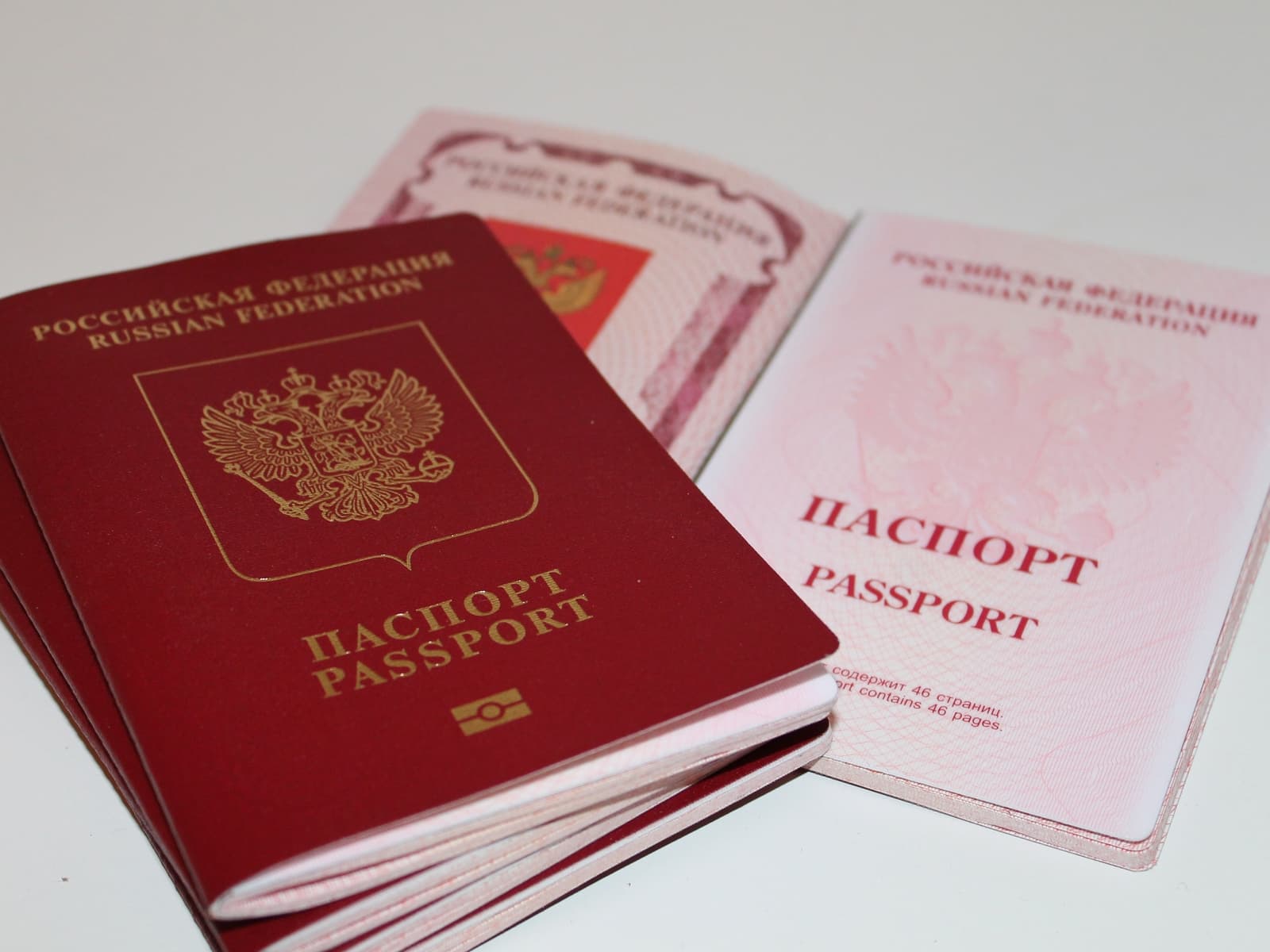
- جواز سفر بيطري مع تطعيمات ضد داء الكلب والأنواع ، ورقم الشريحة الإلكترونية والعلاجات. تصدره أي عيادة.
- شريحة إلكترونية وفقًا لمعيار ISO 11784/11785 ، يتم زرعها قبل حقنة داء الكلب: يرفض الاتحاد الأوروبي التطعيم الذي تاريخه أقدم من الشريحة.
- تطعيم ضد داء الكلب ، صالح للفترة المحددة في اللقاح (عادة سنة واحدة). لا يتطلب التعزيز المعطى أثناء صلاحية السابق فترة انتظار ؛ يجب أن يكون التطعيم الأول أو المنتهي قد مضى عليه 20 يومًا على الأقل لمطار بولكوفو ، وتحتسب روستسلكوزنادزور 21 يومًا لتكوين المناعة.
- ختم فحص سريري في جواز السفر ، لا يزيد عمره عن 14 يومًا: يسمح المطار بالسفر داخل روسيا لمدة 120 يومًا.
- وثيقة نقل للحيوان على القطارات الطويلة ، تصدر لكل حيوان أليف عند شراء تذكرتك.
- للخروج من روسيا: شهادة بيطرية من النموذج 1 من عيادة حكومية (SBBZh) في موعد لا يتجاوز 5 أيام قبل المغادرة ؛ على أساسها تصدر روستسلكوزنادزور الشهادة الدولية - شهادة نموذج الاتحاد الأوروبي أو النموذج 5a للدول الأخرى. بالنسبة للاتحاد الأوروبي واثنتي عشرة دولة أخرى ، تحتاج أيضًا إلى تقرير عن مستوى الأجسام المضادة لداء الكلب.
التطعيمات والمواعيد النهائية
منذ 16 سبتمبر 2024 ، تحتاج الكلاب والقطط والسناجب التي تدخل الاتحاد الأوروبي من روسيا إلى اختبار الأجسام المضادة لداء الكلب: يتم سحب الدم بعد 30 يومًا على الأقل من التطعيم ، ويسمح بالدخول بعد 3 أشهر على الأقل من أخذ العينة (لائحة الاتحاد الأوروبي 2024/1130). تطلب تركيا والإمارات العربية المتحدة وإسرائيل واليابان وكوريا والصين والولايات المتحدة (للكلاب) نفس الاختبار. يقوم مختبران فقط من مختبرات روستسلكوزنادزور بإجراء هذا الاختبار ، في موسكو وفلاديمير ، ولكن يمكن سحب الدم في سانت بطرسبرغ في الفرع الشمالي الغربي لـ VNIIZZh ، Moskovskoye shosse 15 (هاتف 630-20-69 ، تحويلة 183) ، أو في عيادات شريكة. منذ 1 ديسمبر 2025 ، أصبحت التقارير إلكترونية مع رمز QR يتم التحقق منه في نظام eCert. تحتاج الكلاب التي تدخل الاتحاد الأوروبي أيضًا إلى علاج ديدان الشريط (الأشنات) قبل 24 إلى 120 ساعة من الوصول ، مسجلة في جواز السفر.
قطارات
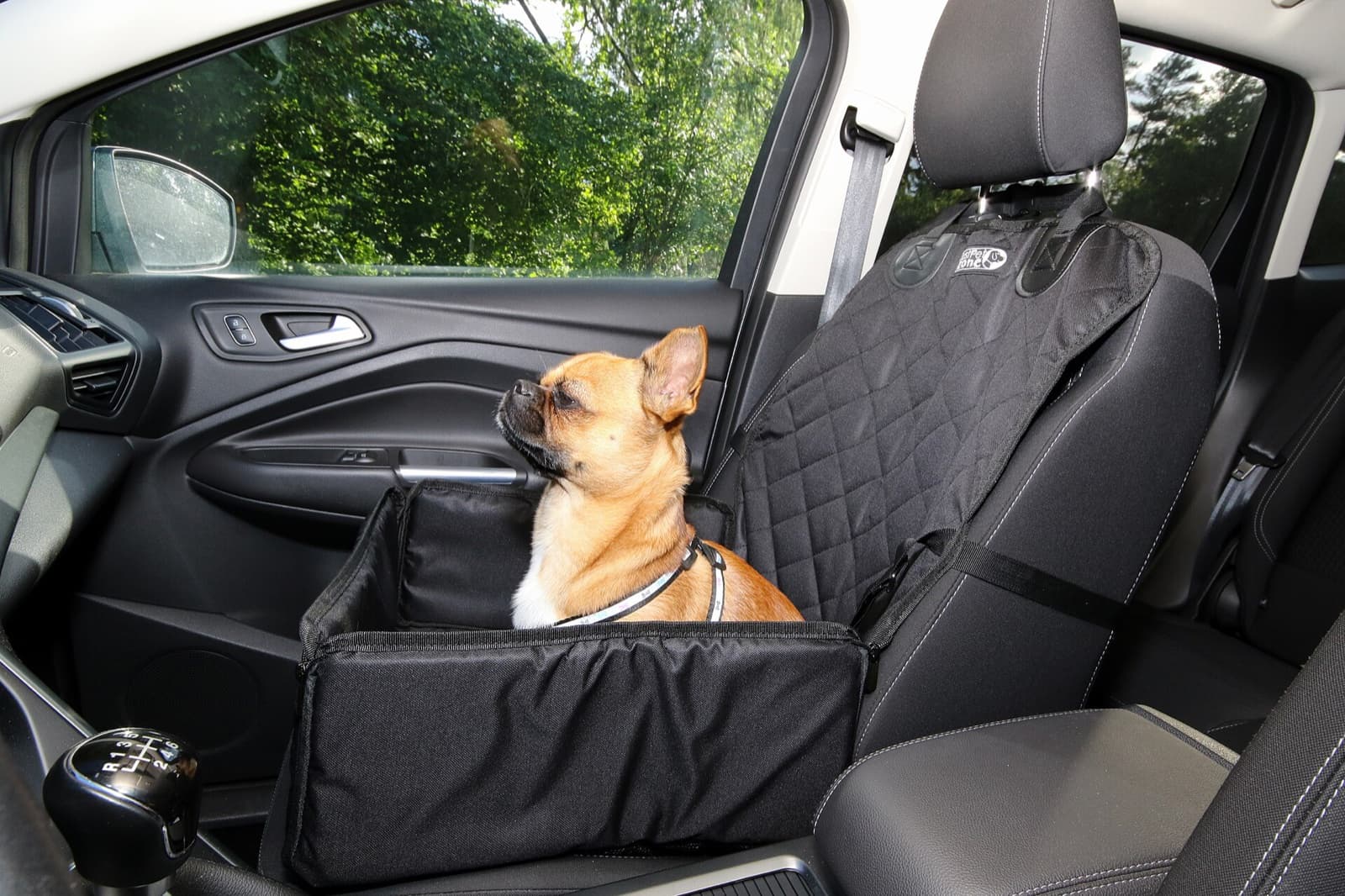
على القطارات الطويلة التي تديرها FPK ، يسافر الحيوان الصغير في حامل بأبعاد إجمالية لا تزيد عن 180 سم ، واثنين من الحيوانات كحد أقصى لكل مقعد ، في مساحة الأمتعة ، ويجب عدم إخراجه حتى نهاية الرحلة. عند شراء تذكرة على موقع السكك الحديدية الروسية ، تظهر أيقونة حيوان أليف بجوار العربة ما إذا كانت الحيوانات مسموح بها ؛ لا أيقونة تعني لا. في عربات الأكشاك ذات الراحة العالية مع خدمة تسمح بذلك ، تدفع رسوم الحامل ولا تضطر إلى شراء المقصورة بالكامل ؛ يُسمح بكلب كبير فقط إذا اشتريت جميع المقاعد في المقصورة ، وفي هذه الحالة تكون وثيقة نقله مجانية. قطارات Sapsan و Lastochka لديها قواعد المشغل الخاصة بها ، تظهر عند الحجز. على قطارات الضواحي SZPPK ، يكلف الحيوان الأليف ما لا يزيد عن ربع أجرة البالغين ويسافر في حاوية ؛ تحتاج الكلاب الكبيرة إلى كمامة ومقود. الكلاب المرشدة تسافر مجانًا.
مطار بولكوفو
أول تعليمات المطار هي الاتفاق على النقل مع شركة الطيران الخاصة بك مسبقاً: حصص الحيوانات الأليفة لكل رحلة صغيرة، وحدود الوزن وحاملات تختلف، وسلالات الوجه المسطح غالباً ما تُرفض. مكتب الرقابة البيطرية التابع لـ Rosselkhoznadzor يقع في الجناح الأيمن للمطار، هاتف. +7 (812) 324-34-44، داخلي 4799. للرحلات الداخلية، قم بإظهار جواز سفر الحيوان الأليف؛ للرحلات الدولية، يصدر المكتب شهادة الاتحاد الأوروبي أو النموذج 5a بناءً على النموذج 1 الخاص بك. يمكنك تقديم الطلب عبر الإنترنت في eCert مسبقاً. لا تقبل جميع سيارات الأجرة الحيوانات، لذا ضع علامة "مع حيوان أليف" عند طلب سيارة؛ الطرق المؤدية إلى المدينة مغطاة في دليلنا من بولكوفو إلى المركز.
فنلندا والاتحاد الأوروبي
الحدود البرية مع فنلندا مغلقة: فااليميا، نوياما، إيماترا ونقاط العبور الأخرى مغلقة منذ 15 ديسمبر 2023، وفي 4 يونيو 2026 مددت الحكومة الفنلندية الإغلاق "حتى إشعار آخر"، مع استثناء فقط للشحن بالسكك الحديدية عبر فاينيكالا. بموجب قواعد الاتحاد الأوروبي، قد تدخل الحيوانات الأليفة من روسيا إلى فنلندا فقط عبر مطار هلسنكي أو معبر فااليميا المغلق، لذلك لا يوجد حالياً طريق مباشر من سانت بطرسبرغ مع حيوان؛ يسافر المسافرون عبر دول ثالثة، وتطبق مجموعة متطلبات الاتحاد الأوروبي الكاملة على طول الطريق.