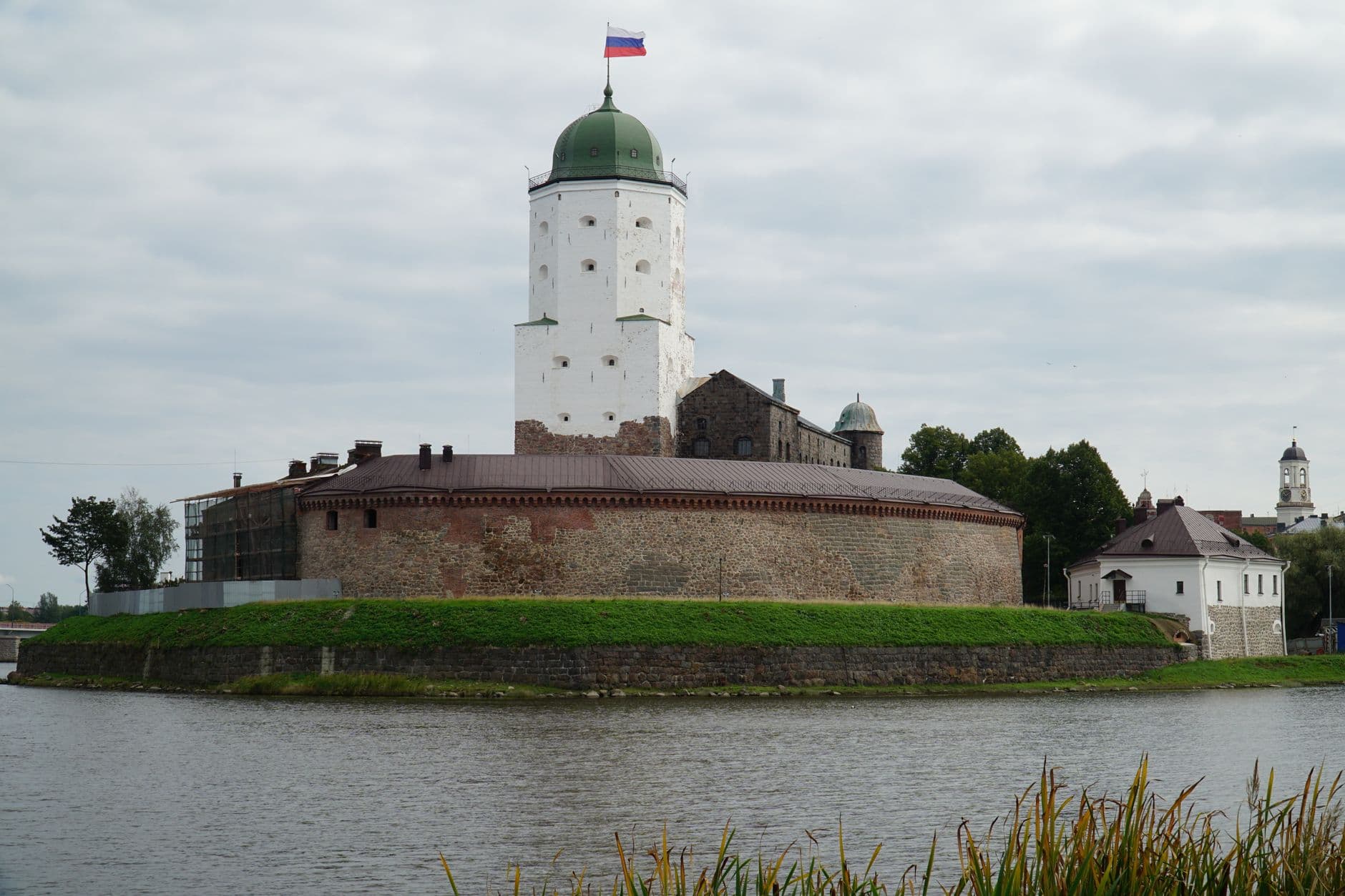
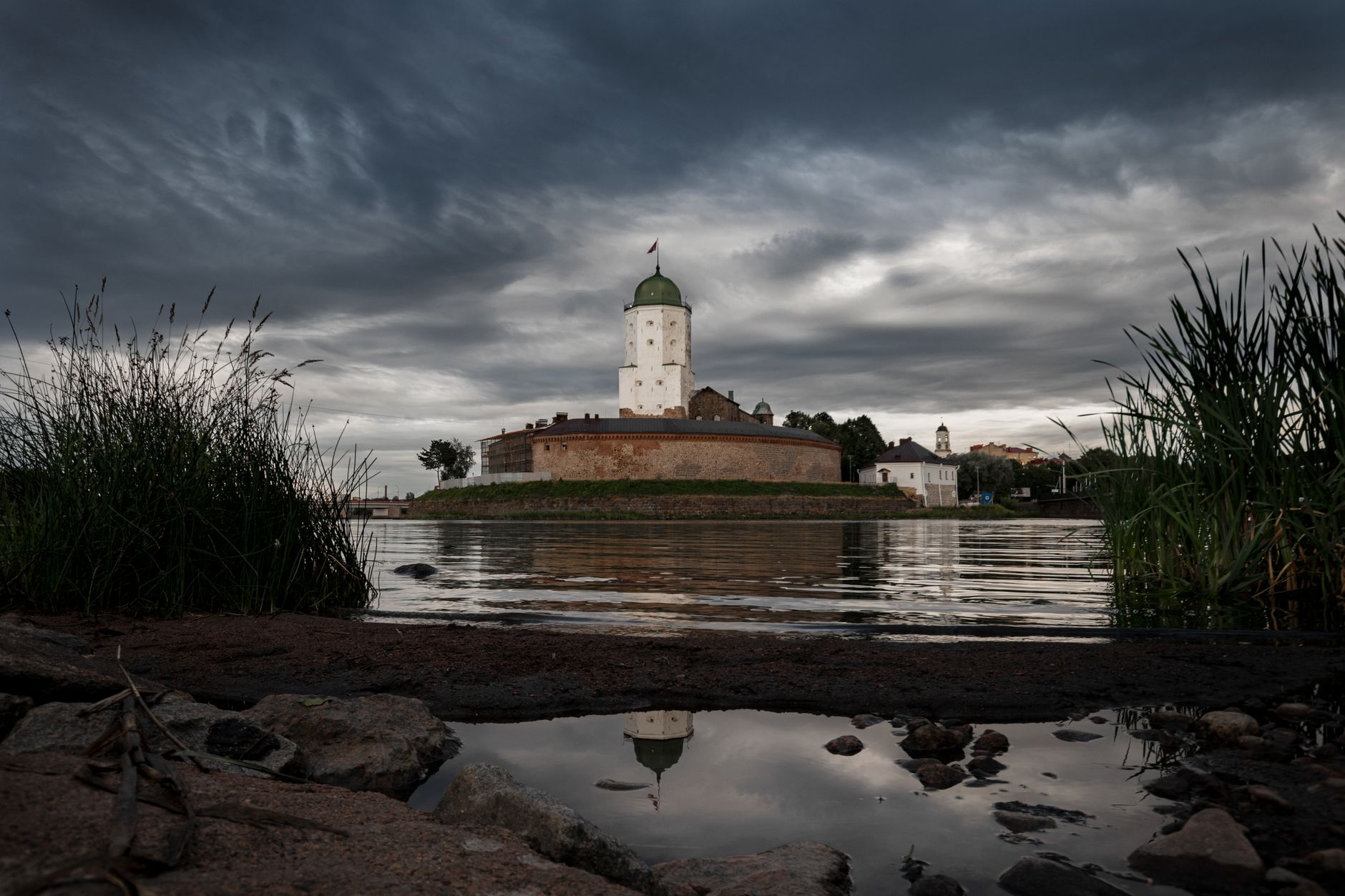
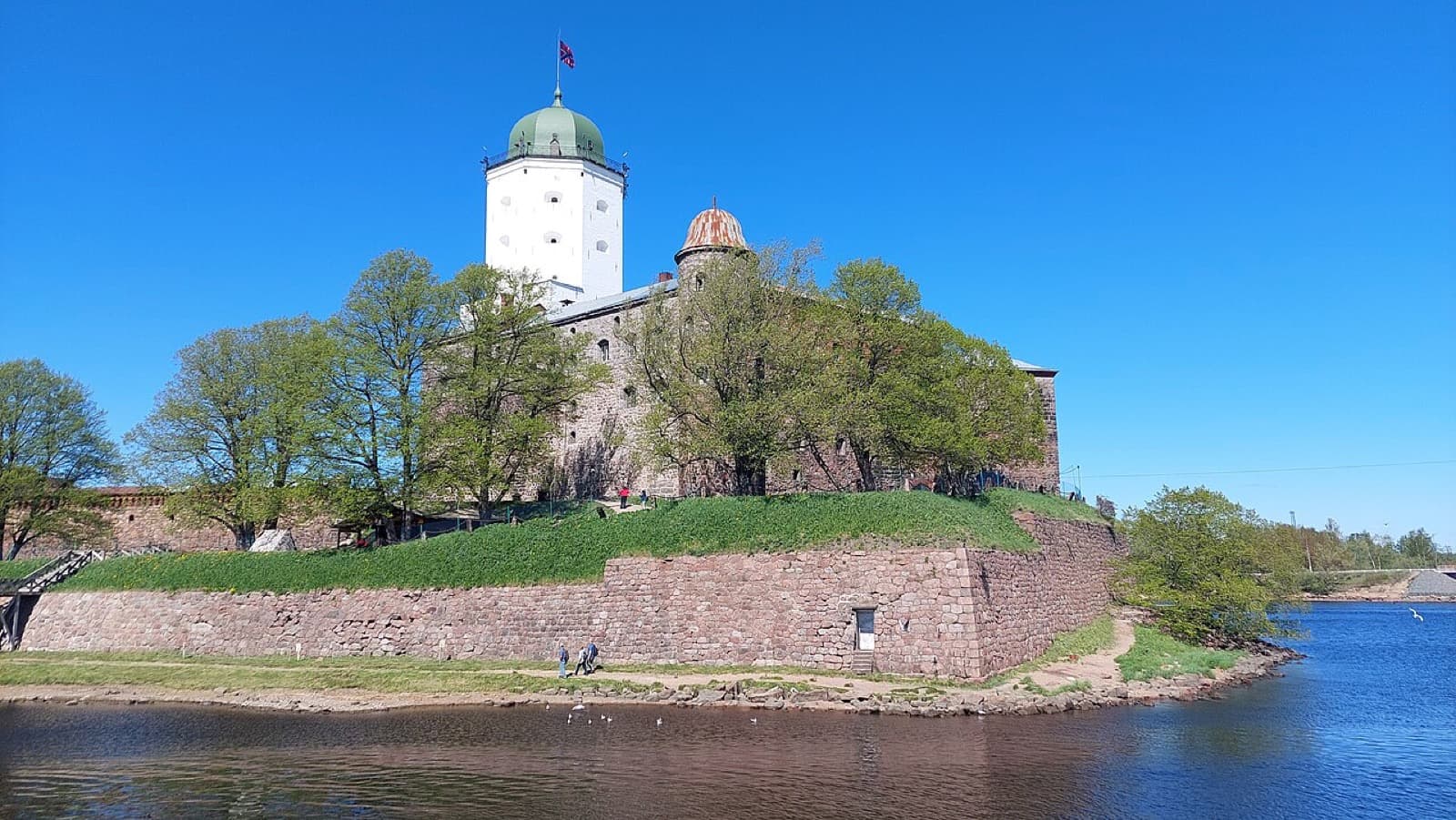
Viborg är en av de mest historiskt särpräglade dagsutflyktsmålen inom räckhåll från Sankt Petersburg och erbjuder resenärer en unik inblick i medeltida skandinavisk och rysk historia, bara 130 kilometer nordväst om staden. Stadens centrala landmärke, Viborgs slott, härstammar från 1293 då svenska korsfarare etablerade en fästning på en liten ö i Viborgska viken. Till skillnad från de barocka palatsen runt Sankt Petersburg visar Viborg upp gotisk och medeltida arkitektur som speglar dess århundraden under svensk, finsk och rysk överhöghet – vilket gör det till ett unikt komplement till den kejserliga prakten i huvudstaden.
Resan till Viborg tar ungefär 1 timme med den snabbaste direkttåget från Finlands station (Finljandskij vokzal, tunnelbanestation), även om långsammare tåg med stopp fortfarande går med restider på 1,5 till 2 timmar. Sedan maj 2026 har en ny direkt "Lastochka"-express minskat restiden avsevärt, med de tidigaste snabbtågen som avgår redan klockan 06:15. Flera avgångar går under dagen. Själva staden är kompakt och promenadvänlig, med slottet, Gamla stadens kullerstensgator och Monreposparken alla tillgängliga under en enda dag. Resenärer som söker arkitektonisk mångfald utöver Sankt Petersburgs klassiska ensembler finner att Viborgs medeltida torn, granitfästningar och nordiskt influerade byggnader erbjuder en slående kontrast till Nevskij prospekts palats och Eremitagets Vinterpalats.
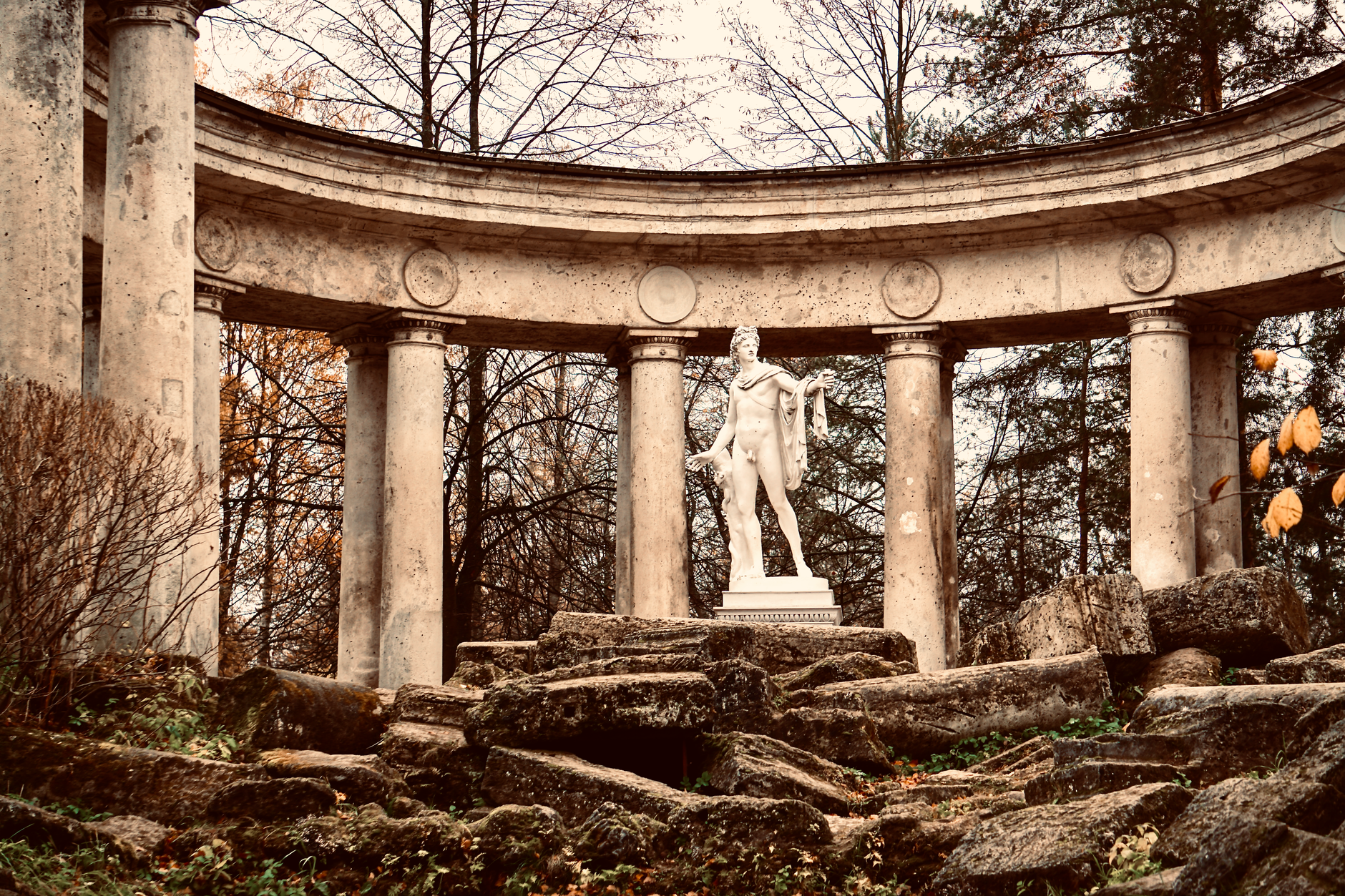
Monreposparken, belägen vid Viborgs norra utkant, är ett av Rysslands finaste exempel på romantisk landskapsarkitektur. Denna 1800-talspark kombinerar naturliga granitformationer med noggrant planerade stigar, klassiska paviljonger och utsikt över Viborgska viken. Parkens nordiska karaktär – med tallskog som växer direkt ur uråldrig berggrund – skapar en atmosfär som skiljer sig från de formella trädgårdarna i Peterhof eller Tsarskoje Selo. Tillsammans erbjuder det medeltida slottet och den romantiska parken en heldagsutflykt som balanserar historisk utforskning med naturskönhet.
Hur tar du dig till Viborg från Sankt Petersburg?
Det bekvämaste transportalternativet är expresståget (Lastochka-tjänsten) som avgår från Finlands station, tillgänglig via tunnelbanestationen Plosjtjad Lenina på linje 1. Tåg går flera gånger dagligen med restider på ungefär 1 timme för den snabbaste direkttjänsten till upp till 2 timmar för tåg med stopp. Biljetter kan köpas på stationen eller via Rysslands järnvägars onlinebokning, med priser som vanligtvis ligger runt 440 rubel enkel väg för standardklass, vilket gör en tur- och returresa till cirka 880 rubel.
Finlands station ligger vid den norra kanten av centrala Sankt Petersburg och är lätt att nå från större turistområden. Från Nevskij prospekt tar du tunnelbanan till Plosjtjad Vosstanija, byter till linje 1 (röd linje) och fortsätter två stationer norrut till Plosjtjad Lenina. Stationsbyggnaden har själv historisk betydelse som ankomstplats för Lenin 1917, men resenärer idag använder den moderna terminalen för förortståg och intercitytrafik. Räkna med 20–30 minuter för tunnelbaneresan från centrala hotell, plus extra tid för biljettköp och att hitta rätt plattform.
Alternativa transportmedel inkluderar organiserade bussutflykter, som vanligtvis inkluderar guidad kommentar men följer fasta scheman med mindre flexibilitet än självständig tågresa. Privatbil erbjuder dörr-till-dörr-bekvämlighet men till betydligt högre kostnad. Tåget förblir det föredragna alternativet för de flesta besökare, med rimliga priser, täta avgångar och möjlighet att anpassa tiden i Viborg. Returtåg går fram till kvällen, vilket ger cirka 5–7 timmar i staden beroende på valda avgångs- och återresetider.
Vid ankomst till Viborgs station syns slottet på ungefär 1,5 kilometers avstånd genom stadskärnan. Promenaden tar 15–20 minuter genom Gamla stadens gågator, eller så erbjuder lokala bussar och taxibilar snabba transporter. De flesta besökare väljer att gå för att uppleva övergången från det moderna stationsområdet till den medeltida stadskärnan, och passerar under vägen byggnader från den finska eran och det rekonstruerade torget.
Utforska Viborgs slott och dess medeltida historia
Viborgs slott ligger på en liten klippö förbunden med fastlandet via en kort bro, vilket skapar en dramatisk silhuett mot Viborgska viken. Fästningskomplexet kretsar kring Sankt Olofs torn, ett massivt stenkeep som reser sig 48,6 meter över borggården, namngivet efter den norske kungen och helgonet. Besökare kan klättra uppför tornets inre trappa för att nå utsiktsplattformar med panoramavy över stadens tegeltak, viken och omgivande skogar. Klättringen innebär trånga medeltida passager och branta trappsteg, men utsikten från toppen ger viktig kontext för att förstå Viborgs strategiska läge som kontrollerade Karelska näset.
Slottet rymmer idag Viborgs museum, med utställningar fördelade på flera byggnader inom fästningsmurarna. Samlingarna täcker stadens svenska period (1293–1710), den ryska kejserliga eran, de finska självständighetsåren (1918–1940) och sovjettiden. Arkeologiska fynd från utgrävningar runt slottsområdet avslöjar medeltida vardagsliv, handelsförbindelser och militärteknik. Museet visar upp rustningar, vapen, mynt och hushållsföremål som illustrerar hur fästningen fungerade både som militär anläggning och administrativt centrum under sju århundraden.
Slottsområdet i sig förtjänar utforskning utöver museiutställningarna. Granitmurarna bevarar ursprungliga medeltida murverkstekniker, med senare tillägg som visar hur befästningsmetoderna utvecklades under renässansen och den tidigmoderna perioden. Kommendantens hus, Corps de Garde och andra byggnader inom fästningsmurarna demonstrerar hur komplexet anpassades till förändrade militära behov. Under sommarmånaderna arrangeras historiska återskapanden och medeltidsfestivaler på slottsgården, även om dessa evenemang följer oregelbundna scheman som bäst bekräftas via museets officiella kanaler.
Besökare bör avsätta 2–3 timmar för en grundlig utforskning av slottet, inklusive tornklättring, museiutställningar och promenad på området. Platsen är öppen året runt med säsongsanpassade öppettider; vinterbesök erbjuder färre besökare och dramatiska snötäckta fästningar, medan sommaren ger längre dagsljus och möjligheter till utomhusevenemang. Biljettkontoren ligger nära ingångsbron, och grundläggande faciliteter som ett litet café finns inom slottsområdet.
enligt Rysslands centralbanks kurs 10.10.2026 · powered by tutkakdoma
Vad gör Monreposparken speciell?
Monreposparken är ett sällsynt exempel på romantisk landskapsarkitektur som byggts direkt in i naturlig granitterräng, där 1700- och 1800-talens formgivare arbetade med befintliga berggrundsformationer istället för att omforma landskapet. Egendomen tillhörde baron Ludwig Heinrich von Nicolay, som utvecklade fastigheten från 1788 och framåt, och skapade en landskapspark som betonade naturlig skönhet och kontemplativ atmosfär. Parkens namn kommer från franskans "mon repos" (min vila), vilket speglar dess avsedda karaktär som en fridfull tillflyktsort.
Parken sträcker sig över cirka 160 hektar längs Viborgska vikens norra strand och kombinerar skogsområden, öppna ängar och strandzoner. Uråldriga granitklippor – några flera meter höga – skapar naturliga skulpturer genom hela landskapet, med stigar som slingrar sig mellan klippformationer och genom tallskogar. Den huvudsakliga arkitektoniska detaljen, Marienthal-kapellet, ligger på en liten ö förbunden med en träbro, och dess nyklassicistiska form ramar in vyer över vattnet. Även om kapellet har genomgått restaurering efter krigsskador, förblir dess placering och proportioner trogna den ursprungliga 1820-talsdesignen av arkitekten Giuseppe Antonio Martinelli.
Vandringslederna genom Monrepos följer den ursprungliga 1800-talsplanen och leder besökare förbi utsiktsplatser, minnesstenar och landskapskompositioner. Den kinesiska bron och andra trädgårdsstrukturer väcker epokens fascination för exotisk estetik, medan inskriptioner på stenar bär filosofiska citat som speglar upplysningens ideal. Parkens nordeuropeiska karaktär – med granit, tall och vikutsikt – skiljer den från de prydliga trädgårdarna vid kejserliga residens närmare Sankt Petersburg. Årstidsväxlingarna förändrar dramatiskt parkens atmosfär: våren för med sig vilda blommor bland klipporna, sommaren erbjuder fullt lövverk, hösten ger gyllene löv mot grå sten, och vintern förvandlar landskapet till en karg komposition av snö och granit.
Monrepos kräver 1,5–2 timmar för en grundläggande rundvandring av huvudattraktionerna, även om fotoentusiaster och naturvandrare ofta tillbringar längre tid med att utforska sidostigar och strandområden. Parkens entré ligger ungefär 3 kilometer norr om Viborgs slott, nåbar med lokalbuss, taxi eller en 30–40 minuters promenad genom bostadsområden. De flesta dagsutflyktsresenärer besöker slottet först och fortsätter sedan till Monrepos på eftermiddagen innan de återvänder till stationen för kvällståg till Sankt Petersburg.
Planera din dagsutflykt till Viborg
En välstrukturerad dagsutflykt börjar med ett tidigt morgontåg från Finlands station, helst avgång mellan 08:00 och 09:30 för att maximera tiden i Viborg. Vid ankomst runt 10:30–11:00 går du direkt till Viborgs slott för att undvika mitt på dagen stora turistgrupper. Tillbring sen förmiddagen med att utforska fästningen, klättra upp i Sankt Olofs torn och besöka museiutställningarna. Slottsöns läge och kompakta utformning gör det effektivt att hinna med allt på 2–3 timmar.
Efter slottsbesöket erbjuder Gamla stadens gågator lunchalternativ och arkitektonisk utforskning. Området kring torget har kaféer och restauranger som serverar rysk och finskinfluerad mat. Runda tornet (Okruglyj Basjnja), en 1500-talsbefästning som nu rymmer en restaurang, är en särskilt unik lunchplats, även om bokning kan vara nödvändig under högsäsong. Promenaden från slottet till torget tar 10 minuter och går genom den historiska stadskärnan där medeltida gatumönster fortfarande syns under senare fasader. Under utforskningen av Gamla staden bör arkitekturintresserade leta upp Alvar Aaltos bibliotek, ett mästerverk inom nordisk funktionalism, och prova den lokala specialiteten Viborgs kringla, som finns på bagerier och kaféer runt om i centrum.
Tidigt på eftermiddagen passar ett besök i Monreposparken, när naturljuset förbättrar fotograferingen och eftermiddagsvärmen gör promenaden behaglig. Resan från stadskärnan till parkens entré tar 10–15 minuter med lokalbuss eller taxi, eller 30–40 minuter till fots för den som föredrar kontinuerlig utforskning. Avsätt 1,5–2 timmar för parkrundan och återvänd till Viborgs station senast 16:00–17:00 för tåg som avgår mellan 17:30 och 19:00. Detta schema ger cirka 6–7 timmar i Viborg med tidsbuffert för transport och oväntade upptäckter.
Alternativa resplaner kan vända på ordningen och besöka Monrepos först för morgonljus över viken, för att sedan fortsätta till slottet för eftermiddagsutforskning. Vinterutflykter kräver justerad tidsplanering på grund av begränsat dagsljus, med prioritet till slottet eftersom museilokalerna är tillgängliga oavsett ljusförhållanden. Sommarbesök drar nytta av förlängt dagsljus, vilket möjliggör flexiblare scheman och eventuella kvällspromenader i Gamla staden innan avresa.
Praktisk information för besökare i Viborg
Viborgs slott och museum är öppna året runt med säsongsanpassade öppettider. Anläggningen har vanligtvis stängt på måndagar, med öppettider som generellt sträcker sig från 10:00 till 18:00 under sommarmånaderna och reducerade tider på vintern. Entréavgifter gäller för både slottsområdet och museiutställningarna, med separat avgift för tornbesök. Aktuella priser och öppettider bör bekräftas via officiella källor, då dessa detaljer justeras säsongsvis och vid evenemang.
Monreposparken fungerar som friluftsmuseum med entréavgift vid huvudgrinden. Vuxenbiljett kostar cirka 500 rubel (2026 års priser). Parken öppnar vanligtvis klockan 09:00 och stänger 20:00 under sommarmånaderna, även om öppettiderna varierar med säsongen. Att köpa biljetter online i förväg eller använda självbetjäningsterminalen vid entrén rekommenderas för att undvika långa köer under högsäsong. Promenadstigarna kräver lämpliga skor, särskilt vid våta förhållanden då granitytorna blir hala. Terrängen inkluderar ojämn naturlig berggrund, trappor och måttliga höjdskillnader som kan vara utmanande för besökare med rörelsesvårigheter. Inga matserveringar finns i parken, så besökare bör planera därefter.
Valuta- och språkfrågor gäller genomgående i Viborg. Även om staden ligger nära den finska gränsen och behållit finsk arkitektonisk påverkan, används ryska rubel och ryska språket dominerar skyltar och service. Rubel är nödvändiga för många transaktioner, även om större attraktioner och restauranger accepterar kreditkort. Yandex Maps fungerar pålitligt i området för navigering. Engelsk information finns vid större turistattraktioner som slottsmuseet, men ryska språkkunskaper eller översättningsappar underlättar vid restaurangmenyer och lokala interaktioner. Bekväma skor är viktiga för promenader på kullersten i Gamla staden och för att ta sig fram på den varierade terrängen i Monreposparken.
Väderförberedelser är avgörande för ett bekvämt besök. Klimatet på Karelska näset medför svala temperaturer även på sommaren, med frekvent vind från Viborgska viken. Lager-på-lager-kläder passar för varierande förhållanden, och vattentätt ytterplagg skyddar mot plötsliga regnskurar. Vinterbesök kräver full vinterutrustning inklusive isolerade stövlar för promenader på snö och is. Det exponerade slotttornet och parkens öppna landskap erbjuder lite skydd mot väder, vilket gör lämpliga kläder kritiska för en njutbar upplevelse. Även om de flesta besöker Viborg som dagsutflykt, ger en övernattning ett mer avslappnat alternativ till en stressad resplan och möjlighet att utforska i lugnare tempo.
Kombinera Viborg med ditt besök i Sankt Petersburg
Dagsutflykter till Viborg passar naturligt in i Sankt Petersburg-resor på fyra dagar eller längre, och erbjuder arkitektonisk och historisk kontrast till den kejserliga huvudstadens barocka och nyklassicistiska monument. Resenärer som har utforskat Eremitaget, Peterhof och centrala Sankt Petersburgs palats uppskattar ofta Viborgs medeltida karaktär och nordiska atmosfär som en avvikelse från ryska kejserliga teman. Dagsutflykten kräver ingen övernattning, vilket möjliggör effektiv användning av en enda dag samtidigt som man behåller sitt hotell i Sankt Petersburg som bas.
Däremot kan kortinnehavare planera sin Viborg-utflykt på en dag då de annars inte skulle använda kortet, för att maximera dess värde genom att koncentrera förmånerna till dagar inom Sankt Petersburgs stadsgränser. Kortet inkluderar transport inom stadens gränser men inte intercitytåg till Viborg, så budgetera separat för tur- och returbiljetter.
Viborg kombineras effektivt med andra intressen i norra Sankt Petersburg. Besökare som lockas av Viborgs medeltida arkitektur kan även uppskatta Peter-Paulfästningen i Sankt Petersburg, som föregår stadens barocka utveckling. De som attraheras av Monreposparkens naturliga landskap kan kombinera resan med besök på Jelaginön eller Botaniska trädgården i Sankt Petersburg för varierade grönområdesupplevelser. Avgångsstationen Finlands station ligger nära Kryssaren Aurora och har goda förbindelser till Petrogradsidan, vilket möjliggör effektiv ruttplanering på resetiden.
Aspekt
Viborgs slott
Monreposparken
Historisk period
Medeltid (grundat 1293)
Romantisk era (utvecklad 1780–1820-talen)
Huvudattraktion
Sankt Olofs tornfästning
Granitlandskapspark
Tid som krävs
2–3 timmar
1,5–2 timmar
Karaktär
Militärarkitektur, museiutställningar
Naturscenerier, kontemplativa promenader
Tillgänglighet
Centralt i Viborg, 1,5 km från stationen
Norra utkanten, 3 km från slottet
Entréavgift
Varierar (kontrollera officiella källor)
Cirka 500 rubel (2026)
Självständiga resenärer uppskattar Viborg för dess hanterbara storlek och tydliga logistik. Den okomplicerade tågförbindelsen, den promenadvänliga stadslayouten och de väldefinierade huvudattraktionerna gör destinationen tillgänglig utan beroende av organiserade turer. Ryska visumkrav gäller för Viborg liksom för hela Ryssland, så resenärer måste ordna lämpliga dokument innan avresa från hemlandet. Samma visum som gäller för Sankt Petersburg tillåter besök i Viborg, eftersom båda städerna ligger inom samma administrativa region.