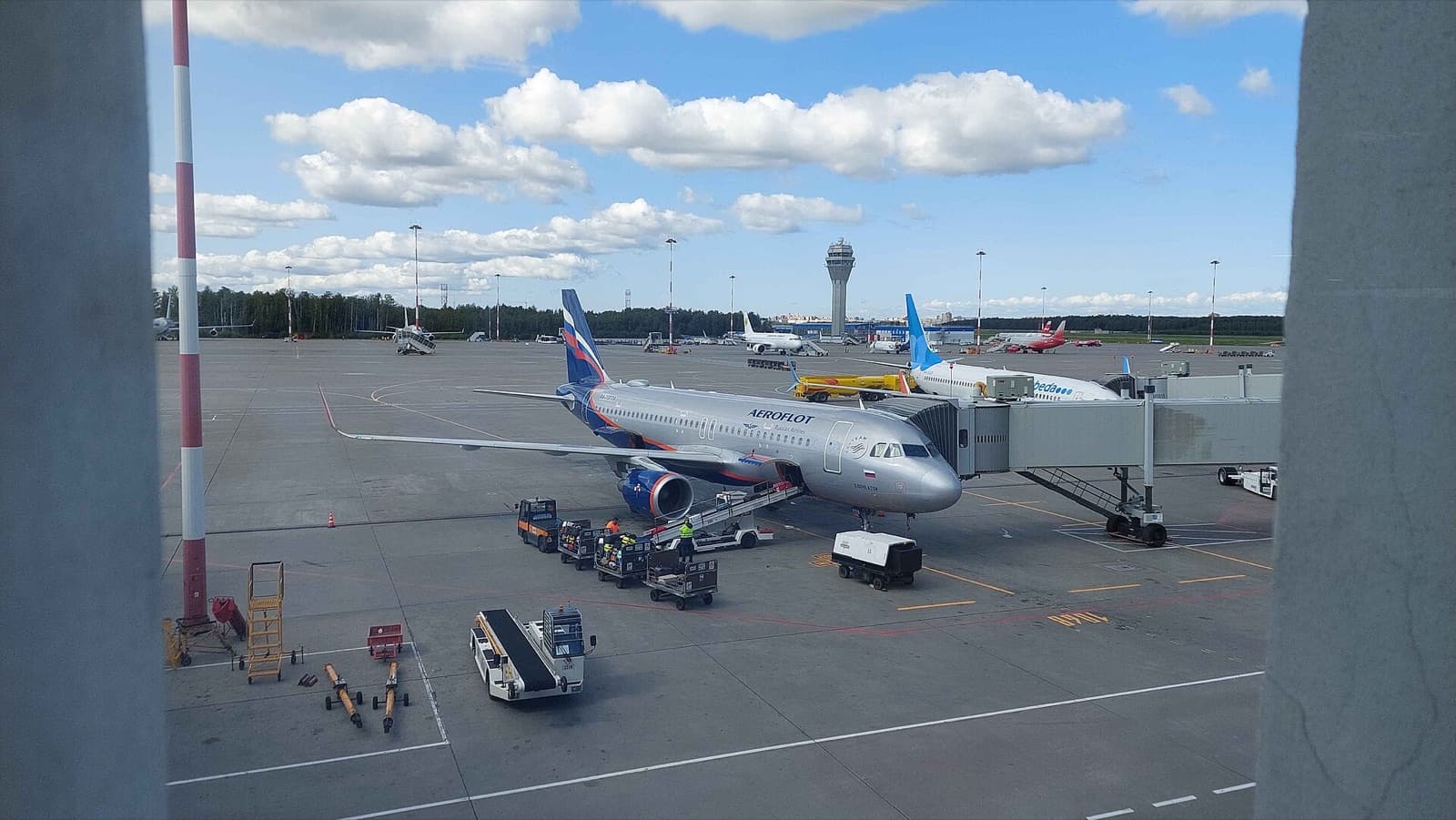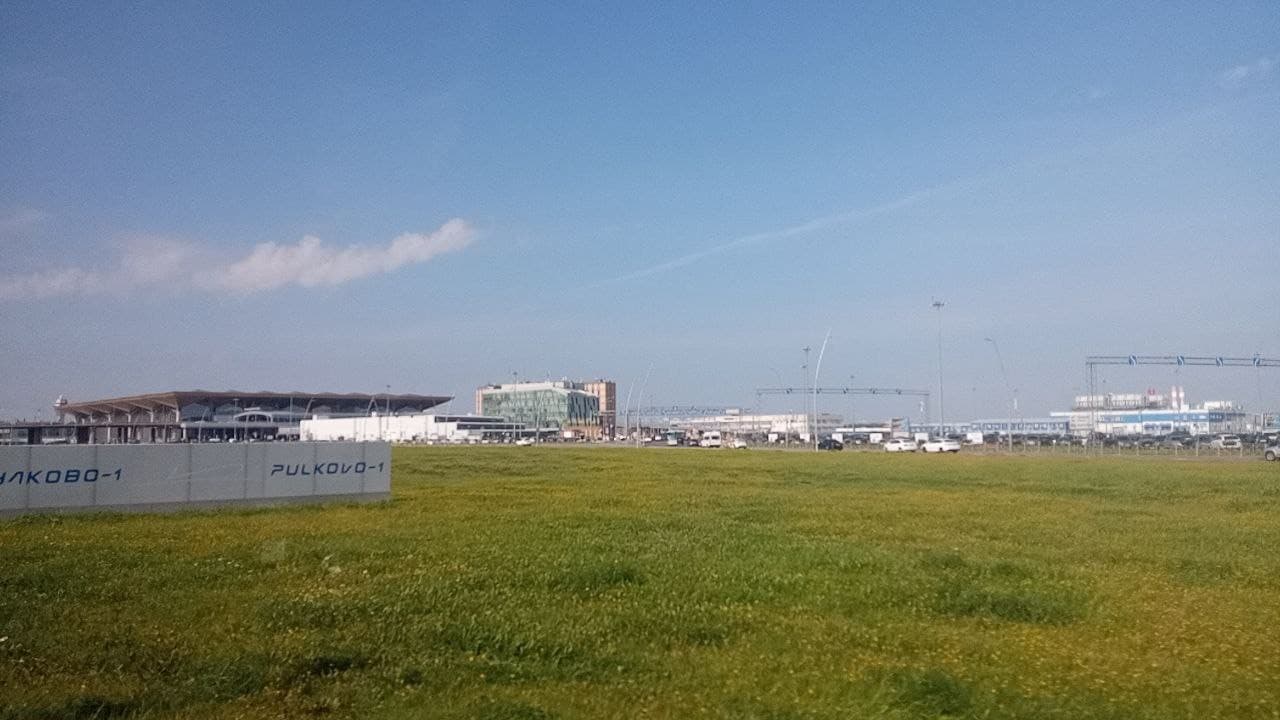
An airport can restrict arrivals and departures for a few hours and then lift the restriction. For a passenger it looks like one thing only: the departure time moves, and then moves again.
Here is the practical side — what the rules oblige the airline to provide, where to read the real status, and when it stops making sense to wait.
Where to check the status
The most accurate source is the airport's own live board at pulkovoairport.ru. It updates ahead of third-party apps and shows the actual state of the flight.
Second, the airline's own notifications: check that your booking carries a working phone number and email, because that is where the rescheduling message goes.
The clock starts at the time printed on your ticket
The single most useful thing to know. The waiting period runs from the departure time stated in the ticket, not from the latest announcement. If it said 14:00 and the flight has slipped three times, your clock still starts at 14:00.
If the aircraft is diverted to an alternate airport, the count starts from its arrival there, and passengers hold exactly the same rights.
What is due, and when
Everything below is provided at no additional charge — the rules say so in a separate clause.
After 2 hours — drinking water, within an hour of that point.
After 4 hours — hot food and drinks, within two hours. And again after every further six hours of daytime waiting, or every eight hours at night.
After 8 hours by day, 6 hours by night — a hotel, plus transport to it and back. Daytime runs 06:01 to 21:59, night 22:00 to 06:00.
Also a mother-and-child room for a child under seven, and baggage storage.
⚠️ Day or night is fixed by the departure time on the ticket and is not recalculated if the flight slips from evening to morning. A 23:30 departure keeps the night clock — so the hotel becomes due after six hours, not eight.
Money
The statutory penalty is 100 roubles per hour of delay, capped at half the fare. The carrier avoids it only by proving force majeure, the repair of a fault threatening life or health, or other circumstances beyond its control — and the burden of proof is on the carrier.
Losses are separate and recoverable in full on top of the penalty: a forfeited booking, a missed connection, a replacement ticket. Keep the receipts as you spend.
You may decline to fly. A delayed departure is grounds for a forced refusal of carriage, and that returns the fare in full regardless of fare rules — non-refundable tickets included.