What are the best beaches near Saint Petersburg on the Gulf of Finland?
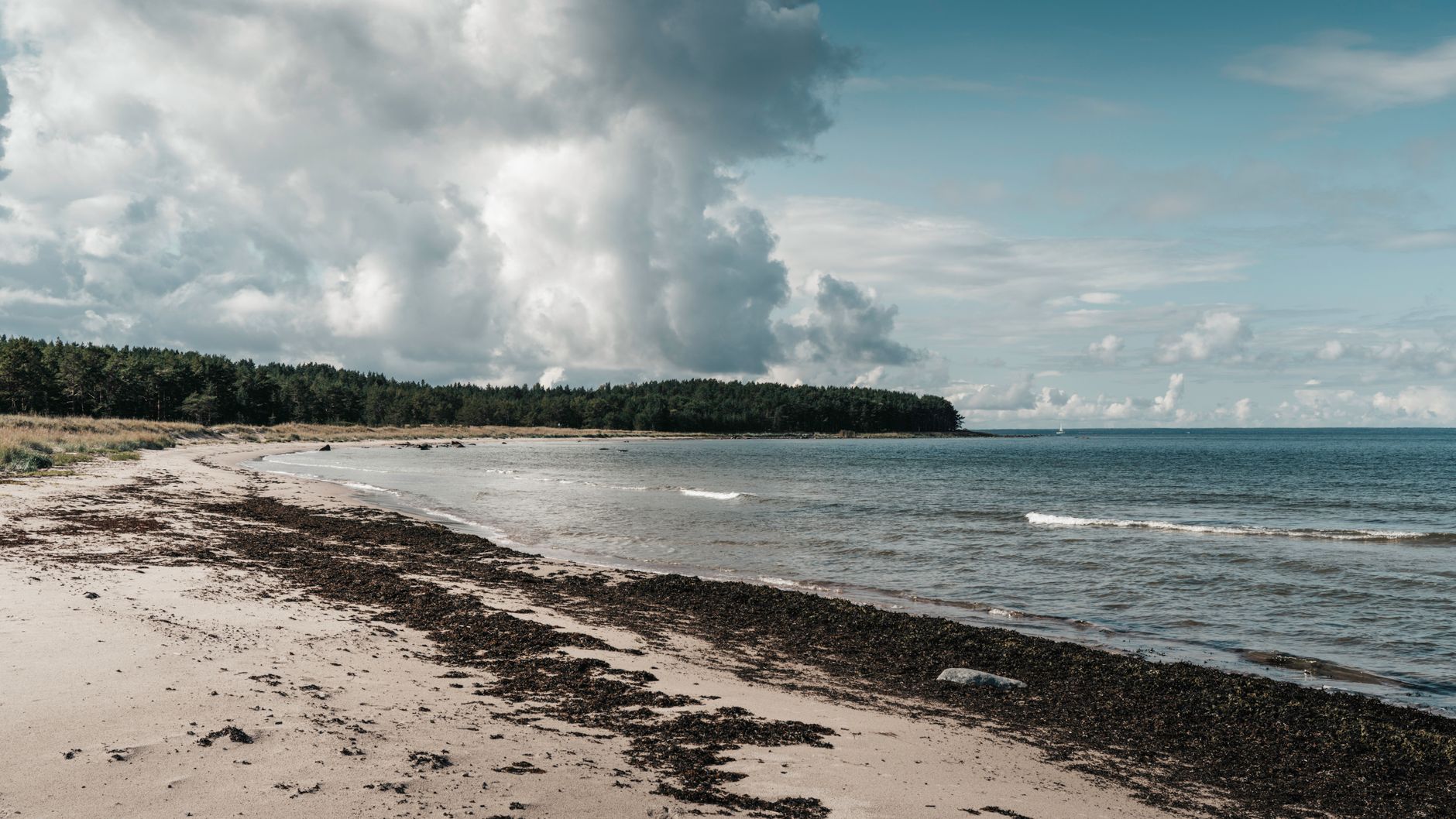
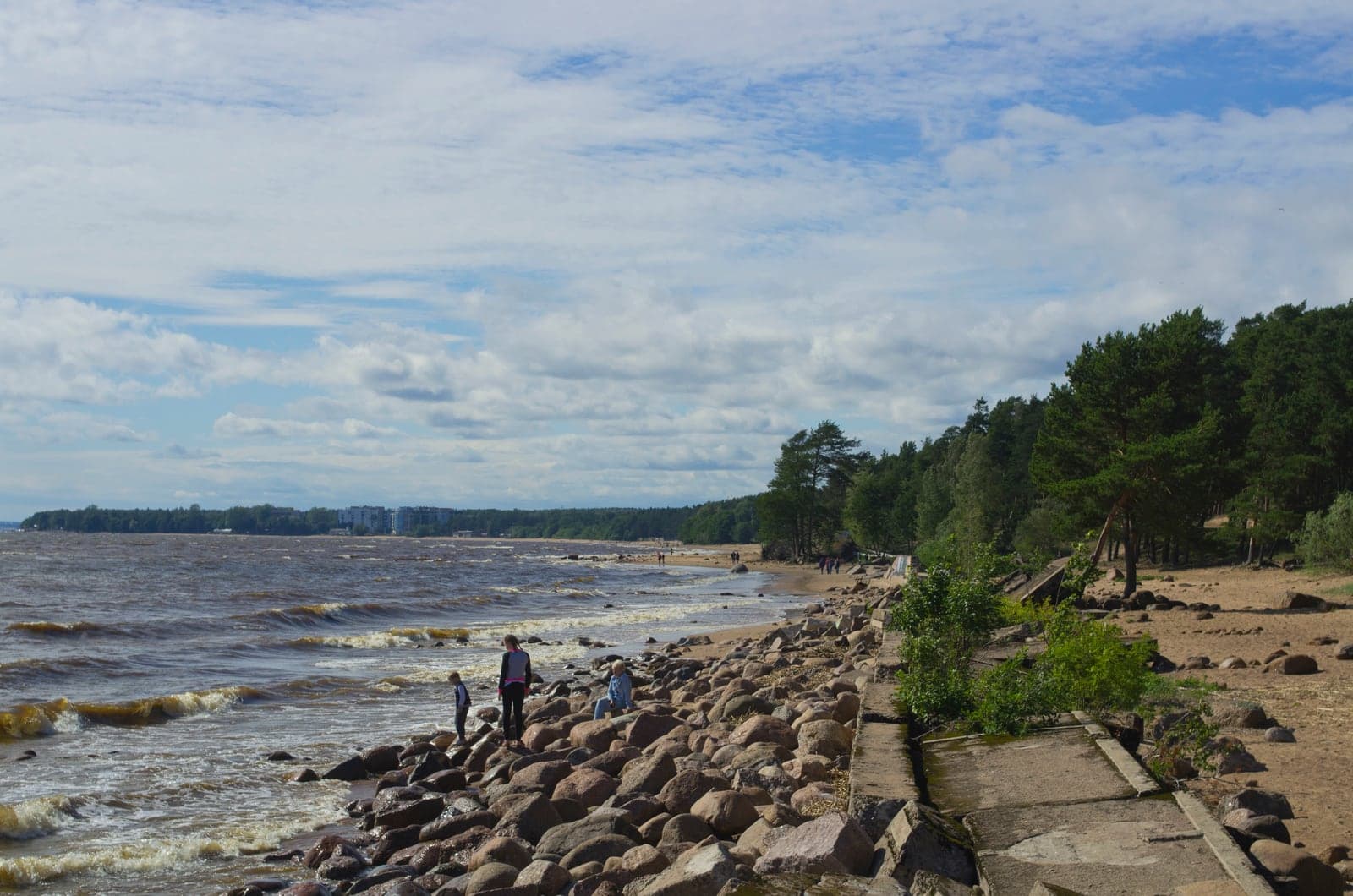
The northern shore of the Gulf of Finland offers several accessible beach destinations within 40 kilometers of central Saint Petersburg. Sestroretsk stands as the most developed resort town, featuring a wide sandy beach stretching approximately 5 kilometers along Primorskoe Highway. The Kurortny District encompasses multiple beach settlements including Solnechnoye, Repino, and Komarovo, each offering distinct shoreline characteristics and amenities for summer visitors seeking relief from urban heat.
These coastal areas became popular recreational zones during the Soviet era when sanatoriums and pioneer camps lined the shore. Today the beaches attract both local residents and tourists from May through September, with peak season occurring during July and August when water temperatures reach 17-20°C. The shallow waters and gradual depth increase make these locations particularly suitable for families with children, though the Baltic climate means swimming conditions remain cooler than southern Russian resorts.
Access to the Kurortny coast is straightforward via suburban trains departing from Finland Station (Finlyandsky vokzal), with journey times ranging from 45 to 70 minutes depending on the destination station. The proximity to Saint Petersburg makes day trips feasible, though many visitors prefer overnight stays to fully experience the pine forest environment that characterizes this region. The combination of beach access and forest trails creates recreational opportunities beyond simple sunbathing.
Sestroretsk Beach: The Main Resort Destination
Sestroretsk represents the largest and most established beach resort on the Kurortny coast, located approximately 34 kilometers northwest of Saint Petersburg's city center. The town developed around the Sestroretsk Tool Factory founded by Peter the Great in 1721, and its transformation into a resort destination occurred in the late 19th century when the railway connection made the coast accessible. The central beach area extends along the Gulf of Finland with sandy shores backed by pine forests that provide natural windbreaks and shade.
The beach infrastructure includes changing cabins, rental points for beach equipment, and seasonal cafes operating from June through August. Primorskoe Highway runs parallel to the shoreline, providing vehicle access and parking areas at several points along the beach. The water remains shallow for 50-100 meters from shore, creating safe swimming conditions but requiring a substantial walk to reach deeper water. Jellyfish occasionally appear in late summer, though they pose minimal danger.
Reaching Sestroretsk requires taking the suburban train from Finland Station to Sestroretsk station, with trains departing approximately every 30 minutes during daytime hours. The journey takes 50-60 minutes, and the beach lies 1.5 kilometers from the station, accessible by local bus or a 20-minute walk. The town offers multiple accommodation options including small hotels and rental apartments for visitors planning extended stays. Official information about the Kurortny District is available at the district administration website.
How do you reach the Kurortny coast beaches from central Saint Petersburg?
Suburban trains (elektrichka) provide the primary transport connection between Saint Petersburg and the Kurortny coast beaches. Trains depart from Finland Station (nearest metro: Ploshchad Lenina on Line 1) with destinations including Sestroretsk, Solnechnoye, Repino, Komarovo, and Zelenogorsk. Services run from early morning until late evening with increased frequency during summer weekends, and tickets can be purchased at station kiosks or through the Russian Railways mobile application.
The journey duration varies by destination: Sestroretsk requires 50-60 minutes, Solnechnoye approximately 55 minutes, Repino 60-65 minutes, and Komarovo 65-70 minutes. Ticket prices remain economical compared to European standards, though exact fares change periodically and should be verified before travel. During peak summer weekends, trains become crowded, making early departure advisable for securing seats and optimal beach positions.
Driving offers an alternative with the journey taking 40-60 minutes depending on traffic conditions and the specific beach destination. The route follows Primorskoe Highway (also called Kurortny Prospekt in some sections) northwestward from the city. Parking availability varies by location, with Sestroretsk offering the most developed parking infrastructure while smaller settlements have limited designated areas. Traffic congestion occurs frequently on summer weekends, particularly during afternoon return periods when beachgoers head back to the city simultaneously.
Repino and Komarovo: Cultural Heritage Meets Coastal Relaxation
Repino, named after the painter Ilya Repin who maintained his estate Penaty here, combines beach access with cultural attractions. The Repin estate museum operates as a branch of the Russian Museum, preserving the artist's home and studio where he lived from 1899 until his death in 1930. The estate grounds include walking paths through pine forest leading toward the Gulf shore. Visitors can combine museum exploration with beach time, as the coastline lies approximately 800 meters from the estate entrance.
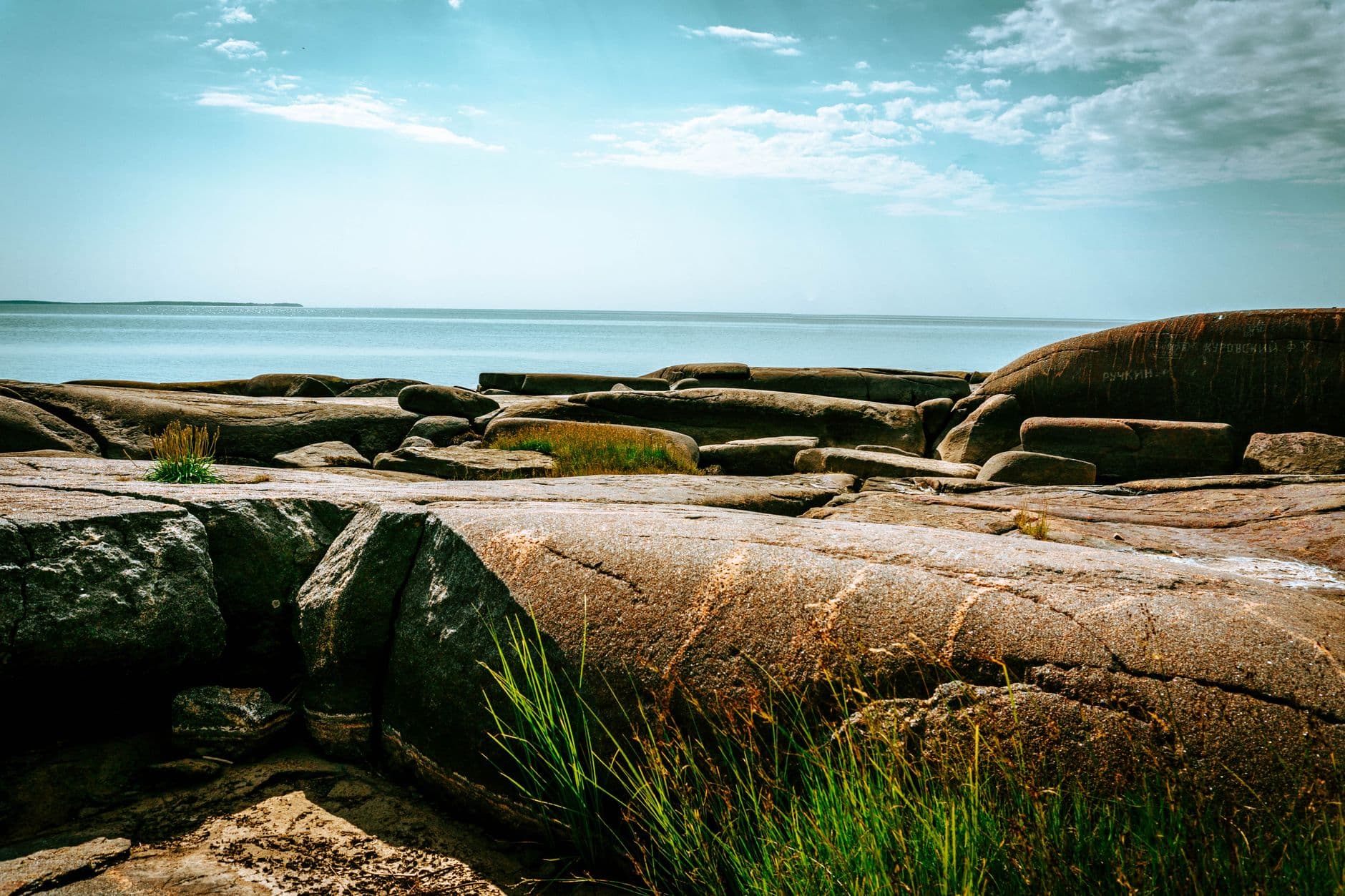
Komarovo gained literary significance as a summer retreat for Soviet-era writers and intellectuals, including poet Anna Akhmatova who spent final summers here. The settlement maintains a quieter atmosphere than Sestroretsk, with the beach accessed through forest paths from the railway station. The shore consists of a mix of sand and small pebbles, with fewer commercial facilities than larger resort areas. This relative lack of development appeals to visitors seeking a more natural beach experience away from crowds.
Both settlements offer limited dining options compared to Sestroretsk, with small cafes and grocery stores providing basic provisions. The beaches here attract a more local crowd, including dacha residents from the surrounding areas. The pine forest environment creates a microclimate with slightly cooler temperatures than open beach areas, and the forest paths provide pleasant walking routes for those seeking alternatives to beach activities. Information about the Repin estate museum can be found at the Russian Museum official website.
What should visitors expect from Gulf of Finland beach conditions in 2026?
Gulf of Finland beaches near Saint Petersburg offer a distinct northern coastal experience differing significantly from Mediterranean or Black Sea destinations. Water temperatures reach their maximum of 17-20°C during July and August, with June and September seeing cooler conditions of 12-16°C. The Baltic Sea's low salinity creates a different swimming sensation than ocean beaches, and the shallow coastal profile means warmer water near shore but extended wading to reach swimming depth. Note an important 2026 caveat: as of June 2026, sanitary authorities (Rospotrebnadzor) rated most beaches in the Kurortny District and along the Gulf of Finland as not meeting standards for swimming - a recurring seasonal water-quality issue. Treat these primarily as beaches for sunbathing, walking and sea air rather than swimming, and check the current status before getting in the water.
Weather conditions remain variable throughout the summer season, with sunny periods alternating with cloudy or rainy days characteristic of the maritime climate. Wind from the Gulf can create choppy water conditions and lower perceived temperatures, making windbreaker clothing advisable even during warm days. The beaches face northwest, providing evening sun exposure but limited morning light due to the forest backdrop. Sunset viewing becomes a popular activity during long summer evenings when daylight extends past 22:00 in June.
Beach infrastructure varies considerably by location. Sestroretsk provides the most developed facilities including changing rooms, equipment rental, and food services, while smaller settlements offer minimal amenities requiring visitors to bring their own supplies. Public restroom facilities exist at major beaches but may not meet Western European standards. The sand quality differs from southern beaches, with a coarser texture and occasional pebble areas. Visitors should set realistic expectations for a northern coastal experience focused on nature access rather than resort-style luxury.
Practical Information for Beach Visits in 2026
The official beach season runs from June 1 through August 31, though locals begin visiting in May and continue through September depending on weather conditions. Lifeguard services operate at designated swimming areas during peak season, typically from 10:00 to 19:00, though specific schedules should be confirmed locally. Swimming outside supervised areas or designated seasons occurs at personal risk; combined with the 2026 sanitary swimming advisories noted above and cold water outside high summer, many visitors treat the Kurortny beaches as a place to sunbathe and walk rather than swim.
Essential items for a beach day include sunscreen (the northern latitude does not prevent sunburn during extended exposure), insect repellent for forest areas, warm layers for temperature changes, and food supplies if visiting smaller settlements with limited dining options. The forest environment means ticks present a concern from May through September, making long pants advisable for forest walks and requiring tick checks after visiting wooded areas. Drinking water should be brought from the city as local sources may not meet standards for direct consumption.
Accommodation options range from hotels in Sestroretsk and Zelenogorsk to rental apartments and rooms in private homes throughout the coast. Booking ahead becomes essential for July and August weekends when demand peaks. Many Saint Petersburg residents maintain dachas in this region, and some offer short-term rentals through local platforms. The area's proximity to the city makes day trips practical, avoiding accommodation costs while still providing beach access. Currency exchange facilities are limited outside Sestroretsk, making advance preparation necessary for visitors requiring cash transactions.
Comparing Kurortny Coast Beach Destinations
| Location | Distance from Finland Station | Beach Type | Infrastructure Level | Best For |
|---|---|---|---|---|
| Sestroretsk | 50-60 minutes | Wide sandy beach | High - full facilities | Families, day visitors, developed amenities |
| Solnechnoye | 55 minutes | Sandy with some pebbles | Medium - basic facilities | Quieter alternative to Sestroretsk |
| Repino | 60-65 minutes | Mixed sand and pebbles | Medium - limited facilities | Cultural tourism combined with beach |
| Komarovo | 65-70 minutes | Sand and pebble mix | Low - minimal facilities | Nature seekers, literary heritage interest |
| Zelenogorsk | 70-75 minutes | Sandy beach, parks | High - town infrastructure | Extended stays, park walking routes |
Environmental Considerations and Beach Ecology
The Gulf of Finland faces environmental challenges including nutrient pollution from agricultural runoff and industrial sources, leading to occasional algae blooms during warm periods. These blooms can affect water clarity and create unpleasant conditions for swimming, though they typically remain localized and temporary. Beach water quality monitoring occurs during the official season, with results posted at supervised swimming areas. Visitors should check current conditions before traveling, particularly after heavy rainfall which can temporarily impact water quality.
The coastal pine forests (Pinus sylvestris) create the characteristic landscape of the Kurortny District, providing ecological benefits including air purification and erosion control. These forests require protection from human impact, and visitors should remain on established paths to prevent soil compaction and vegetation damage. The area supports various bird species including gulls, terns, and migratory waterfowl, making it of interest to birdwatchers particularly during spring and autumn migration periods.
Beach cleanliness varies by location and season, with Sestroretsk maintaining regular cleaning services during peak months while smaller beaches rely more heavily on visitor responsibility. Littering remains a concern, and visitors should remove all waste or use provided receptacles. The shallow water and sandy bottom create habitat for various small fish and invertebrates, though biodiversity remains lower than more southern Baltic regions due to the Gulf's reduced salinity and cooler temperatures. Respecting the natural environment ensures these coastal areas remain accessible for future visitors.