Die beiden großen Kunstmuseen von Sankt Petersburg liegen nur zehn Minuten voneinander entfernt, und bei einem kurzen Aufenthalt muss man sich für eines entscheiden. Der Unterschied liegt nicht in der Größe oder dem Prestige – sondern im Thema.
Die Eremitage zeigt Weltkunst in einem kaiserlichen Palast. Das Russische Museum zeigt ausschließlich russische Kunst.
Was die Museen eigentlich sind
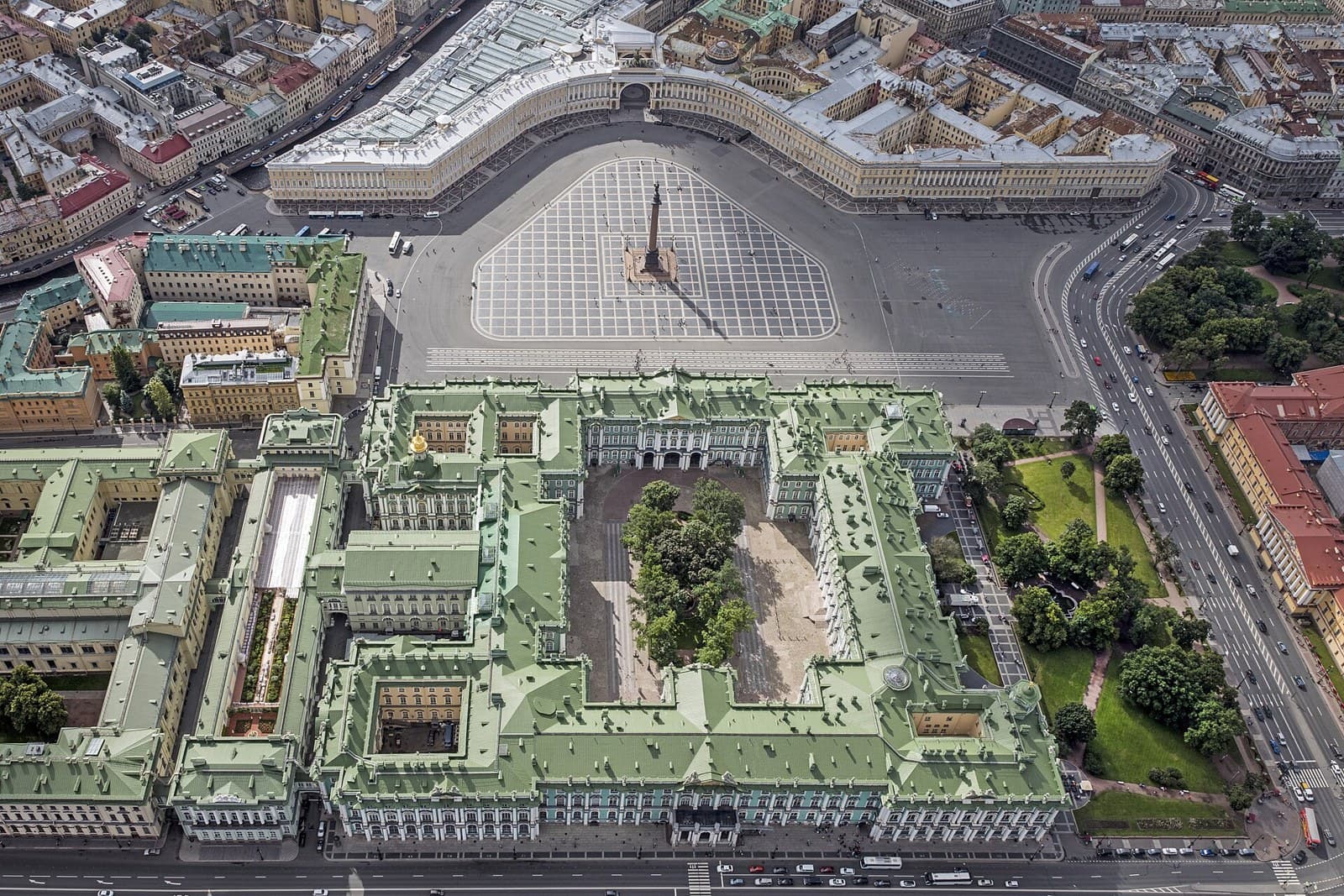
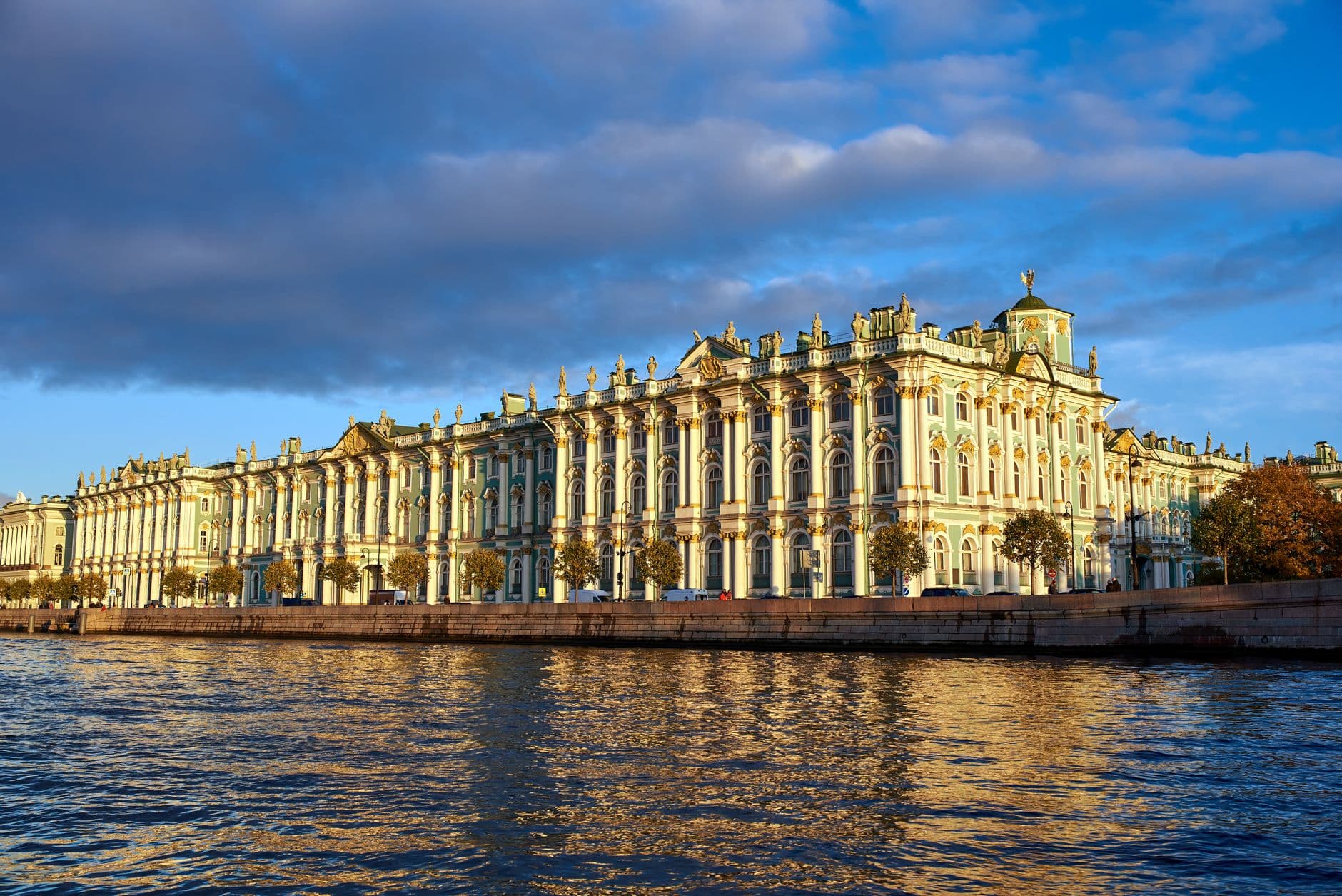
Die Eremitage bietet zwei Erlebnisse zugleich. Zum einen den Winterpalast selbst: Prunktreppen, Thronräume, Parkettböden und Vergoldungen – die kaiserliche Residenz als eigenständiges Ausstellungsstück. Zum anderen die Sammlung: italienische, niederländische und spanische Meister, Antike, Ägypten und auf der anderen Seite des Platzes im Generalstabsgebäude die Impressionisten sowie Matisse und Picasso.
Damit kommen wir zum prägenden Merkmal der Eremitage: Sie ist riesig und anstrengend. Etwa zweieinhalb Kilometer Prunksäle, und nach zwei Stunden kann das Auge kaum noch zwischen den Gemälden unterscheiden. Dieses Museum lässt sich nicht „abschließen“ – man wählt sich einen Weg hindurch.
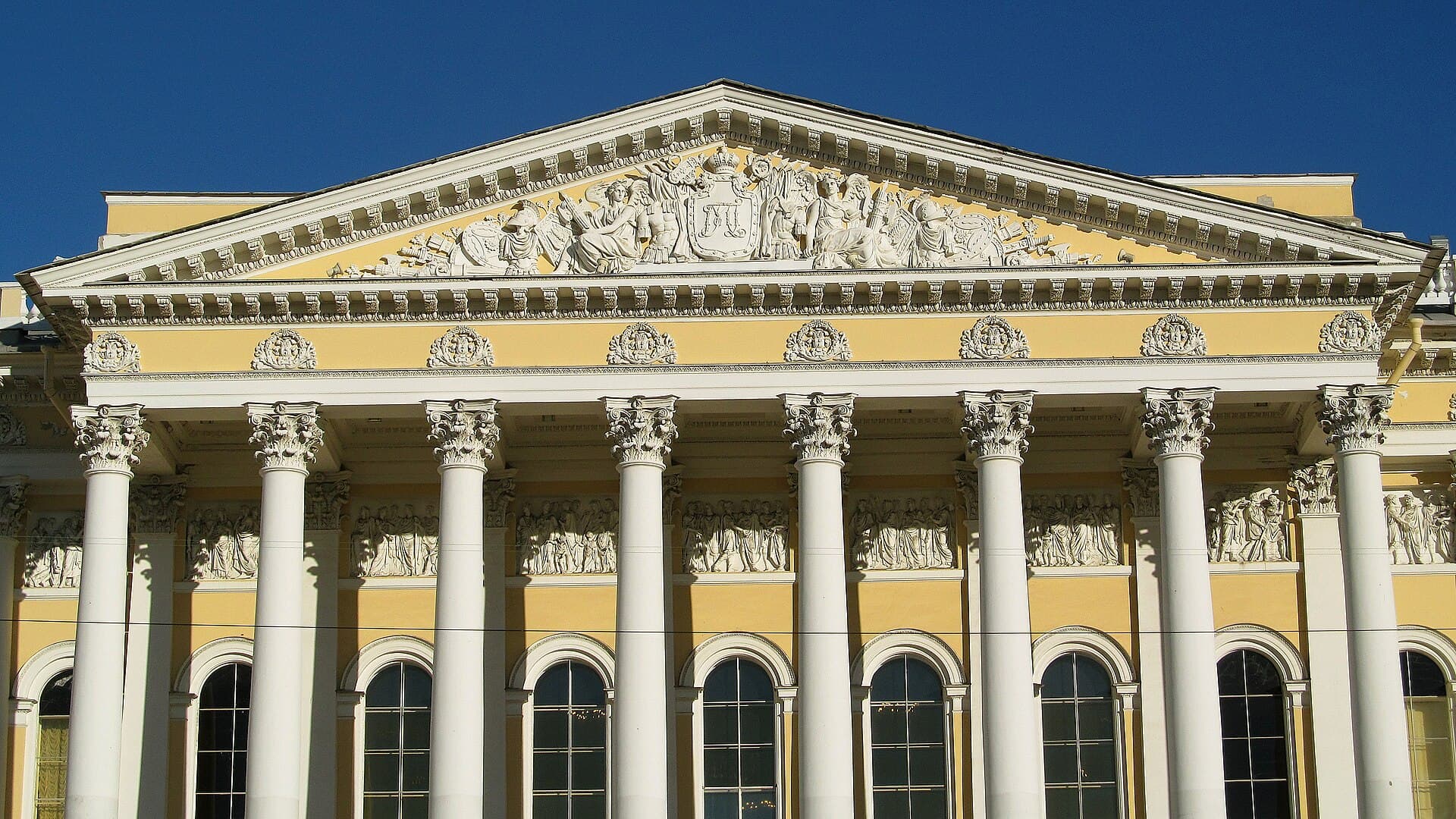
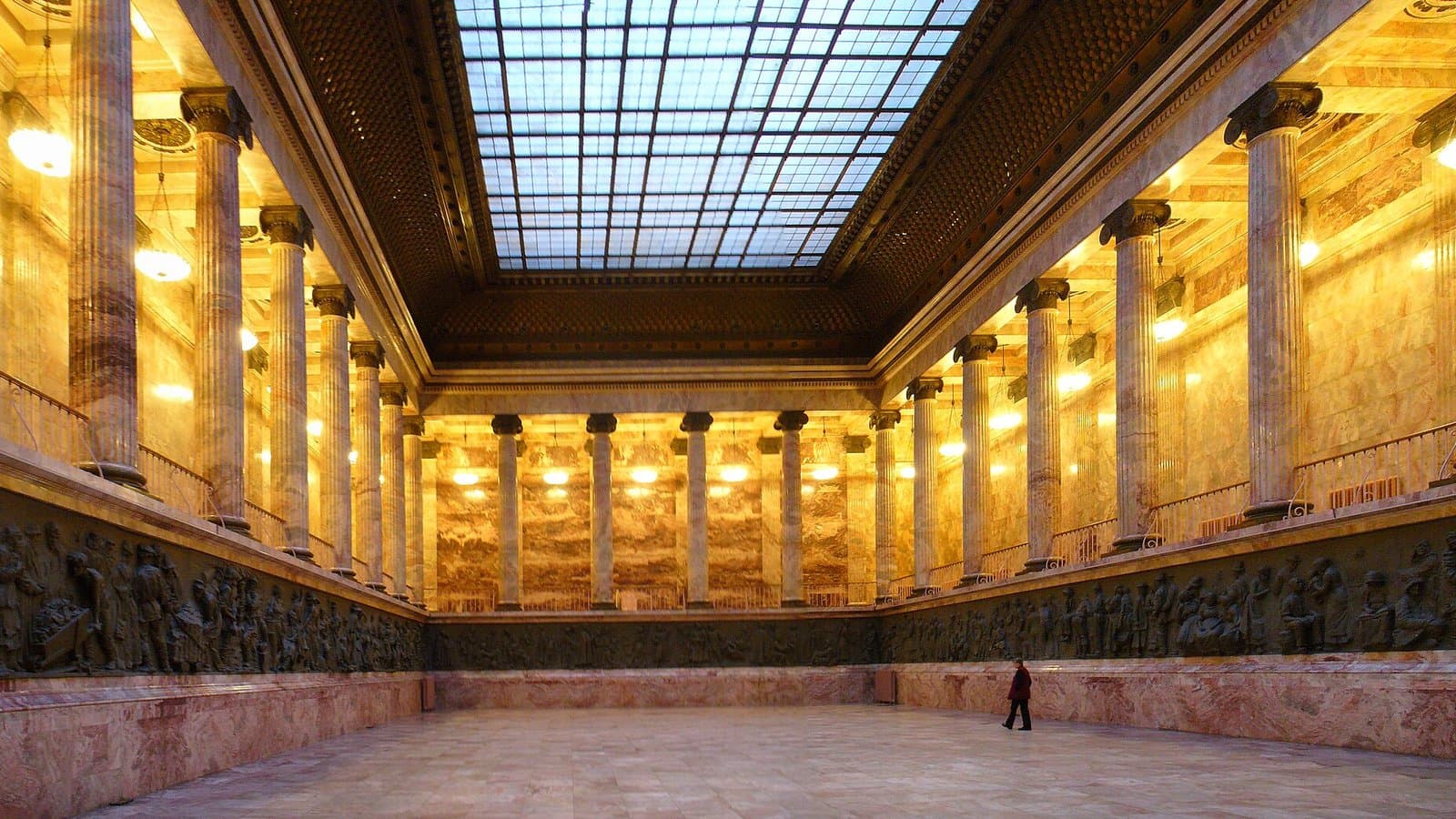
Das Russische Museum beherbergt die weltweit größte Sammlung russischer Kunst, von Ikonen bis zur Avantgarde. Hier hängen die Gemälde, die jeder Russe von Kindheit an kennt: Brjullows „Der letzte Tag von Pompeji“, Aiwasowskis „Die neunte Welle“ oder Repins „Burlaken an der Wolga“. Das Hauptgebäude, der Michailowski-Palast, ist ebenfalls beeindruckend, doch es überwältigt nicht: Die Räume sind überschaubar, der Weg ist klar, und die Besuchermassen deutlich kleiner.
Wie die Eremitage erstreckt sich auch das Russische Museum über mehrere Gebäude – neben dem Michailowski-Palast gibt es den Marmorpalast, den Stroganow-Palast und das Michailowski-Schloss. Die Tickets gelten jeweils separat, daher sollte man vorab prüfen, welche Adresse man ansteuert.
Welches Museum zu Ihnen passt
Erster Besuch in Sankt Petersburg, ein Museum für die ganze Reise. Die Eremitage – nicht weil sie „besser“ ist, sondern weil sie Palast und Museum zugleich ist: zwei zentrale Petersburg-Erlebnisse in einem Gebäude.
Sie waren schon im Louvre, im Prado oder in der National Gallery. Dann das Russische Museum. Sie kennen europäische Malerei – aber Brjullow oder Repin haben Sie mit Sicherheit noch nicht gesehen.
Reise mit Kindern. Das Russische Museum. Es ist kleiner, ruhiger, und erzählerische Gemälde wie „Der letzte Tag von Pompeji“ fesseln die Aufmerksamkeit viel besser als eine endlose Abfolge goldener Prunksäle.
Sie mögen keine Menschenmassen. Das Russische Museum, ohne Zögern. In der Hochsaison schiebt sich in der Eremitage ein dichter Besucherstrom durch die immer gleichen Prunkräume.
Sie sind wegen der Impressionisten gekommen. Die Eremitage – aber das Generalstabsgebäude am Palastplatz, nicht der Winterpalast. Dort ist es auch ruhiger und angenehmer als im Hauptgebäude.