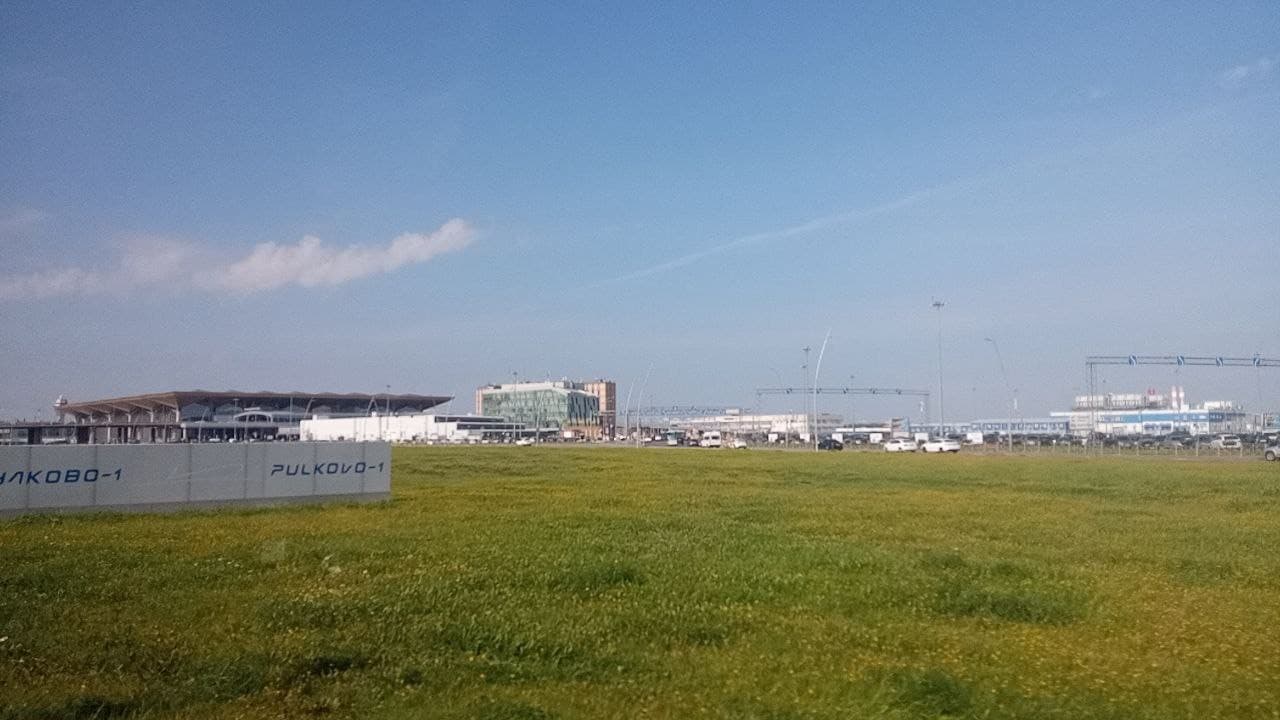
حزام الأمتعة في بولكوفو لا يزال يدور، آخر الحقائب قد غادرت، ولم تكن حقيبتك من بينها. الدافع الأول هو الانتظار - ربما ستصل على الرحلة التالية. هذا هو بالضبط الخطأ الذي يكلف لاحقًا المال والأعصاب: بمجرد مغادرة منطقة استلام الأمتعة، يصبح إثبات أن أمتعتك لم تصل أصعب بكثير.
لا تغادر منطقة الاستلام
كل ما تحتاج لفعله يتم هناك، خلف الحزام. في قاعة الاستلام يوجد مكتب تتبع الأمتعة - له عدة أسماء: المفقودات والمعثورات، تتبع الأمتعة، Розыск багажа. إذا لم تتمكن من رؤيته، ابحث عن ممثل لشركة الطيران أو موظف مطار؛ فهم ملزمون بأخذك إلى هناك.
الانتظار "فقط في حالة" يكون منطقيًا حتى يتوقف الحزام ويتم إزالة رقم الرحلة من الشاشة. بعد ذلك، توجه مباشرة إلى المكتب.
تقرير PIR هو المستند الوحيد المهم
في المكتب، يتم إعداد تقرير PIR - تقرير عدم انتظام الأمتعة (Property Irregularity Report). يسجل أن الأمتعة لم تصل ويبدأ البحث الرسمي. بدونه لا توجد مطالبات، ولا تعويضات، ولا بحث: فيما يتعلق بشركة النقل، لم يحدث شيء.
يسجل التقرير:
- اسمك وتفاصيل الاتصال بك - رقم هاتف وبريد إلكتروني يصلان إليك بالفعل؛
- رقم الرحلة وتاريخها؛
- رقم علامة الأمتعة - القسيمة الملتصقة ببطاقة الصعود إلى الطائرة عند تسجيل الوصول؛
- وصف للحقيبة: النوع، اللون، المادة، العلامات المميزة؛
- العنوان الذي ستقيم فيه، حتى يمكن تسليم الحقيبة عند العثور عليها.
يتم إعداد التقرير في نسختين. واحدة تبقى معك - تأكد من حصولك عليها، وقم بتصويرها على الفور. تحمل أيضًا رقم مرجع ملف البحث ورقم هاتف لتحديثات الحالة.
كلمة عن العلامة: غالبًا ما تكون قصاصتها ملحقة ببطاقة الصعود إلى الطائرة أو تُسلم بشكل منفصل. عادة ما يكون الاحتفاظ ببطاقة الصعود إلى الطائرة حتى نهاية الرحلة مفيدًا هنا - بدون رقم العلامة يبدأ البحث ببطء.
كم من الوقت يستغرق
معظم الأمتعة المتأخرة تصل في غضون يوم أو يومين: عادة ما تكون الحقيبة قد فاتها الاتصال بالسفر وتنتقل على الرحلة التالية. فترة البحث الرسمية هي 21 يومًا. إذا لم يتم العثور على الحقيبة بحلول ذلك الوقت، تُعتبر مفقودة، وينتقل الحديث من البحث إلى التعويض.
تختلف مواعيد المطالبات للرحلات الداخلية والدولية: على المسارات الداخلية لديك ستة أشهر، وعلى المسارات الدولية سبعة أيام من لحظة كان يجب تسليم الأمتعة. هذا الاختلاف مهم - في رحلة دولية لا يمكنك تحمل الانتظار.